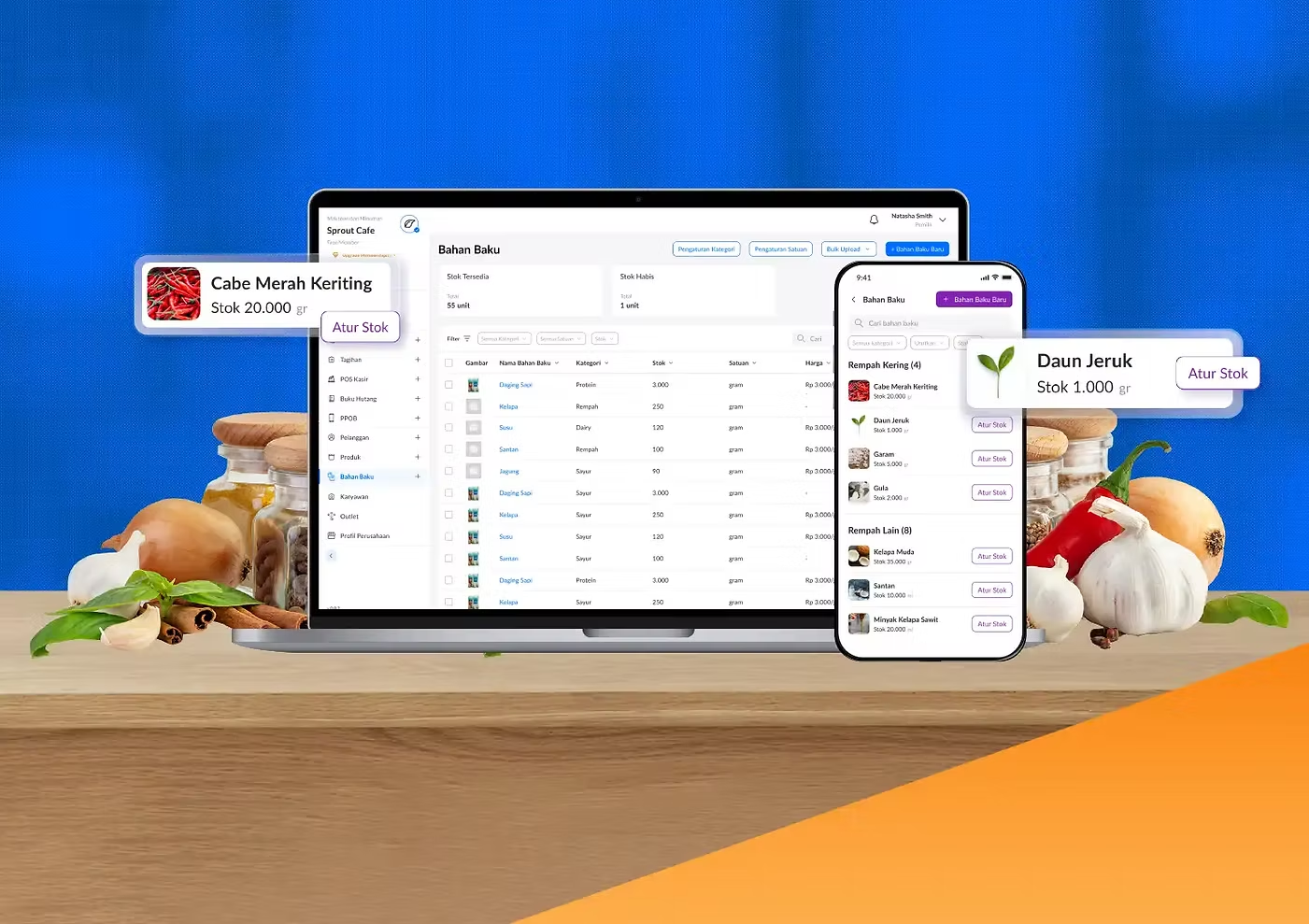
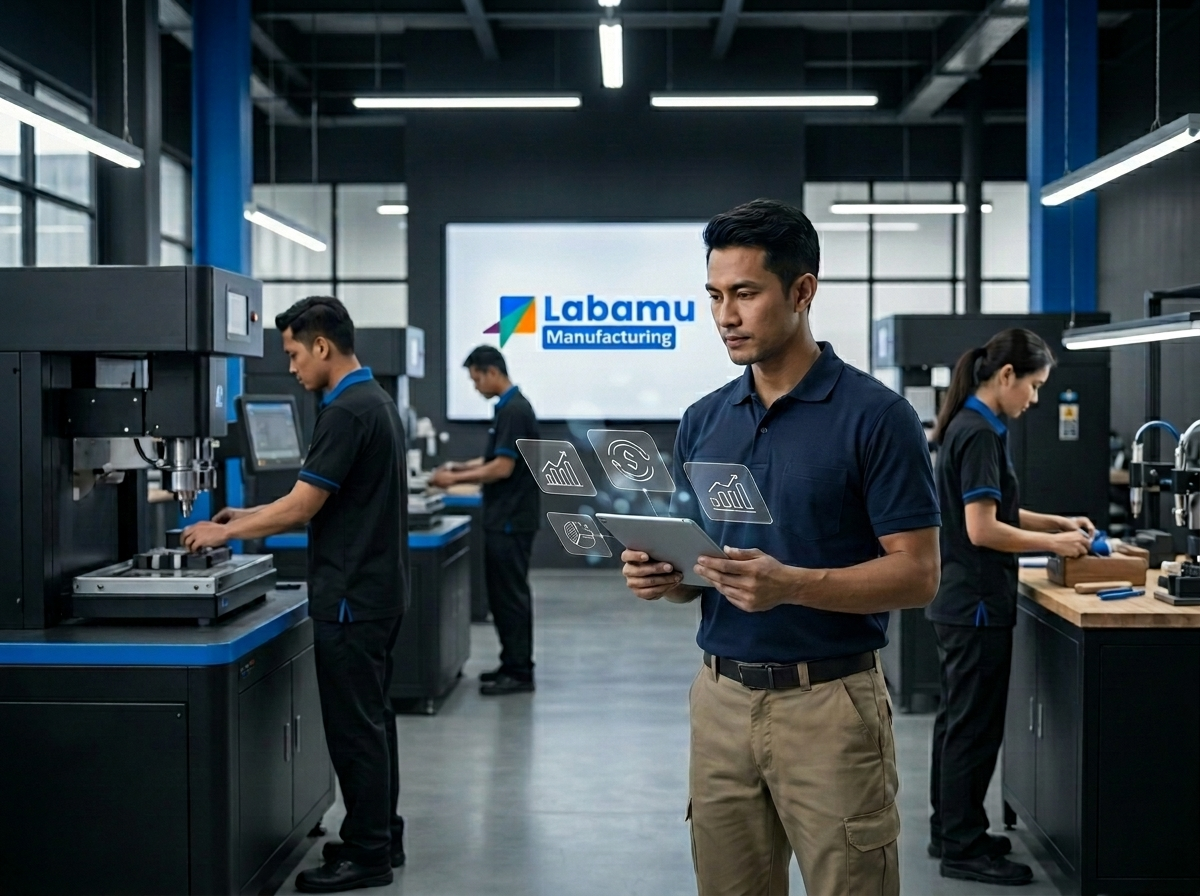
You must have ERP software for small businesses right now. This digitalization step is very important for the continuity of your business. Without modern systems, operational efficiency is very difficult to achieve.
Manual recording input errors often make stock items messy. This inventory problem will certainly hinder the delivery process of your order. Therefore, digital technology transformation is absolutely necessary now.
Before reading the details, let’s learn how this great system works. You can learn about Labamu Manufacturing’s superior features for production automation now. This innovative service is ready to speed up your operational digitization process.

- ERP integrates all business operations in one unified platform.
- Labamu Manufacturing offers practical solutions without high infrastructure costs.
- The cloud system helps real-time stock monitoring from anywhere.
- Business decision making becomes much more accurate and faster.
What is ERP Software for Small Businesses?
An integrated ERP system is an automatic manager of all business data. This system integrates all business operational lines on the platform. All important transaction data is stored safely in the cloud database.
Data access becomes faster for all your work divisions. The implementation of a modern system prevents double data recording errors. Every change in stock automatically updates your financial reports.
Some examples of small businesses that are very suitable for using this system:
- Small Scale Manufacturing Business: Manage raw materials to finished goods automatically.
- Retail and Wholesale Business: Monitor the movement of stock in the warehouse in real-time.
- Culinary / F&B Business: Control the availability of fresh food ingredients with great precision.
- Local Distribution Services: Arrange goods delivery routes to all loyal customers.
The accuracy of operational data is also much more guaranteed. Strategic decision making no longer takes up much of your time. Daily workflow becomes much more systematic and focused.

What are the main benefits of implementing ERP software for small businesses, and how to choose the right solution?
The main benefit of ERP is efficiency, choose Labamu Manufacturing now. This modern service minimizes your manual data input errors. You can save significantly on monthly operational costs.
Implementation of this system has many positive impacts on operations:
- Increased Productivity: Staff productivity increases thanks to your daily automation.
- Work Automation: The system eliminates repetitive manual work processes.
- Inventory Accuracy: Data accuracy prevents stockpiling of your goods.
- Precise Planning: Planning the purchase of raw materials becomes very precise.
- Supplier Relationships: Relationships with suppliers are more professional now.
- Automatic Recording: Daily transaction records are recorded automatically without missing a beat.
To choose the right solution, pay attention to the main needs of your business. Adjust the operational budget with the features offered by the service provider. Make sure the system is easy for all your staff to use.
Always choose a platform that has responsive customer support service. System scalability is also an important point for long-term business. Choose software that can grow with the scale of the business.
Don’t buy expensive features that you don’t necessarily need. Focus on solutions that solve your main operational problems. Wise choices will save the cash efficiency of your business.
Which ERP system is best suited for small companies with limited IT resources?
Labamu Manufacturing is the most suitable ERP system for limited IT. Small companies are often hampered by limited internal IT expert staff. You don’t need to worry about complicated system installation problems.
The following are the main advantages of a cloud system for your IT limitations:
- No Local Server: Cloud-based systems do not require expensive physical servers.
- Zero Maintenance Costs: Computer infrastructure maintenance costs are reduced to zero.
- Updates Run Automatically: System updates run automatically without interrupting daily working hours.
- Strict Standard Security: The security protection of your business data is guaranteed with strict standards.
- Very Simple Appearance: Friendly interface eases the adaptation process of the entire work team.
- Responsive Customer Support: Customer service is ready to help resolve any of your technical problems.
- Low Initial Investment: The initial investment cost of this system is very pocket friendly.
- Flexible Business Control: Easy access via mobile makes operational monitoring flexible.
All business financial reports are presented instantly in seconds. This is the most appropriate smart solution for businesses with limited IT staff.
Comparison of Cloud-Based vs Conventional ERP Systems
Before deciding, let’s learn the differences between these two types of systems. Good understanding prevents you from choosing the wrong software. Here’s a simple comparison table to help with your in-depth analysis.
| Evaluation Criteria | Cloud ERP (Modern) | On-Premise (Conventional) |
| Initial Investment Costs | Very Low | Very high |
| Maintenance Costs | Automatic & Free | Requires IT Staff |
| Access Flexibility | Where have you been | Limited to the Office |
| Data Security | Secure Cloud Server | Risk of Local Loss |
| Implementation Time | Quickly Count Days | Months |
Cloud ERP provides very high data access flexibility. Conventional systems require large local server maintenance costs. For small businesses, the cloud model is certainly much more profitable.
You can focus on developing your business without the burden of IT infrastructure. The risk of data loss due to computer damage can be completely avoided. Cloud storage uses global financial industry standard data encryption.
The decision to switch to the cloud is your best strategic move. Data security is a crucial asset for the continuity of your business. A leak of sensitive information can damage your company’s reputation forever.
Modern cloud systems are equipped with high standard data protection protocols. You can limit user access according to the role of each staff. User activity history is recorded in detail and transparently.
This minimizes the risk of data misuse by internal parties. Automatic data backup is carried out periodically every working day. The operational security of your business is more fully guaranteed.
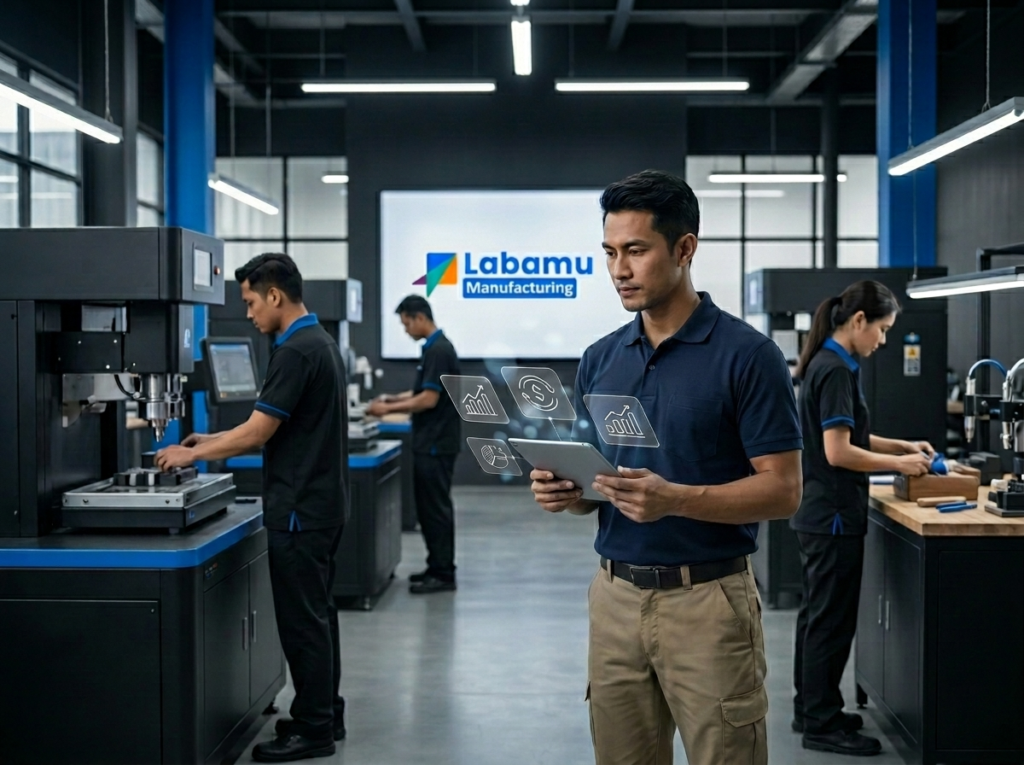
Concrete Steps to Start Digitalization with Your Profits
Here is a guide to concrete steps to start your system transition:
- Problem Identification: Identify your main operational problems first.
- Register Account: Register your business account on the Labamu application now.
- Enter Data: Enter all product data and initial inventory neatly.
- Train the Team: Train your team to use the daily transaction feature regularly.
- Report Evaluation: Evaluate periodic sales reports at the end of each month in detail.
This transition process will not interfere with your daily sales activities.
All the steps above can be completed very quickly. Expert team support is ready to guide your data migration process. Start with small steps such as recording daily transactions first.
Once stable, activate your stock management feature next. Conduct regular system performance evaluations with the work team. Gradual adaptation minimizes the risk of confusion for your operational staff.
Steps Towards the Modern Digital-Based Business Era
Digital technology continues to develop rapidly from time to time. Don’t let your business be left behind by other competitors. Immediately switch to an automated system for optimal business growth.
Start digitalizing your business with Labamu Manufacturing services now. This flexibility will open up many new market opportunities for you. You have more time to develop creative marketing strategies.
Financial benefits will increase gradually and surely. Let’s build a solid business future starting today. This modern solution is ready to accompany the success of your business journey.