The popularity of electronic payments has skyrocketed over the past decade. This innovation in financial services has significantly changed the way people conduct transactions and made electronic payments increasingly popular. Here’s some interesting information about e-payments that MSMEs shouldn’t ignore. Check it out!
What is Electronic Payment?
Electronic payment is a way of making transactions or paying bills online or through electronic media—without using physical checks or cash.
According to the Visa Consumer Payment Attitudes Study (2023), 92 percent of Indonesians are moving away from cash payments. They also noted that electronic payment methods continue to increase year after year.
Benefits of Providing Electronic Payments for MSME Businesses
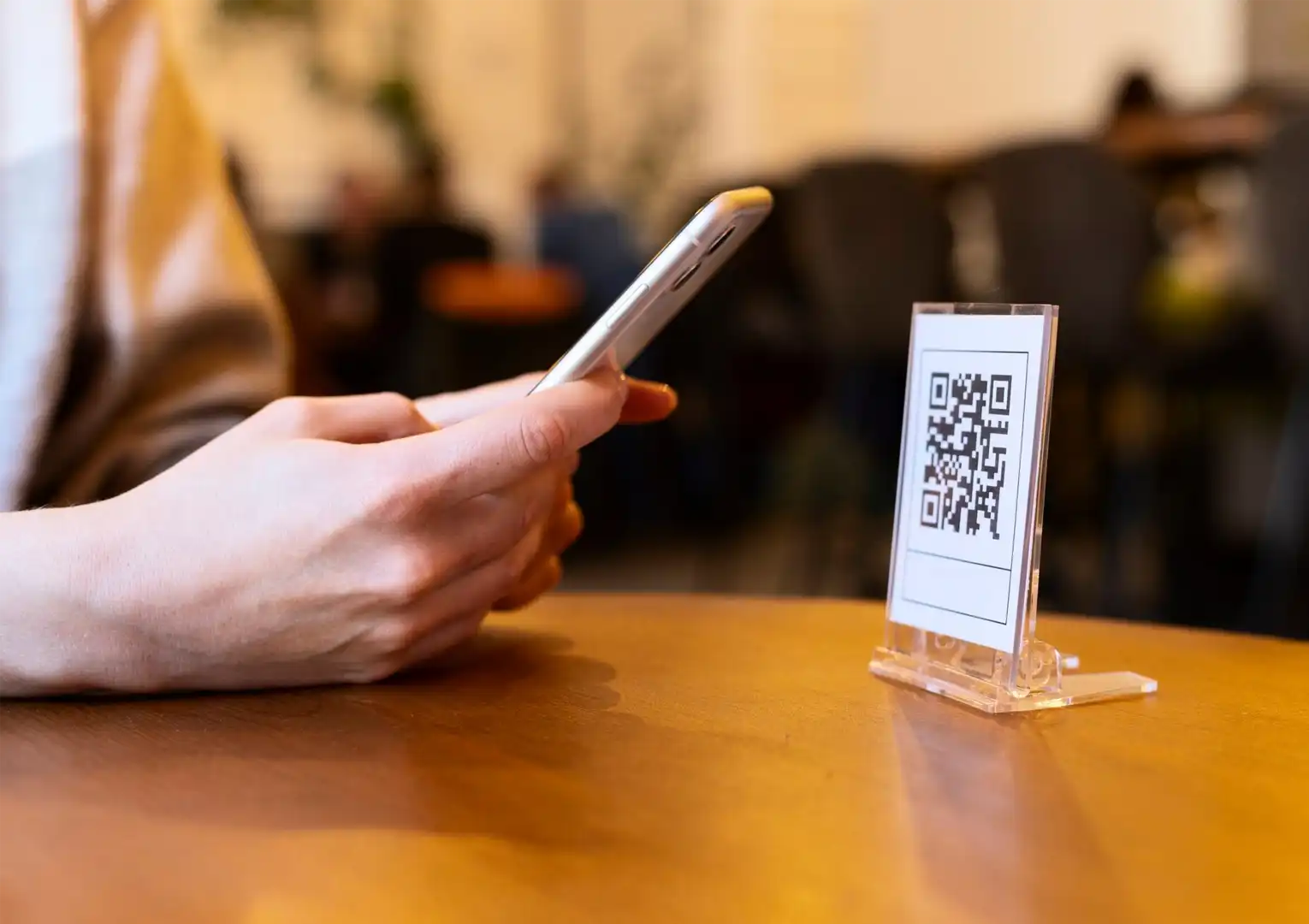
Using electronic payment methods, especially for small businesses, offers many advantages. Here are some of them.
1. Convenience and Efficiency
Electronic payments offer speed and convenience for customers. On the business side, electronic payment methods also offer significant convenience.
You can integrate it into your point-of-sales platform or system and most of the transaction recording and financial reporting processes can be automated.
2. Higher Income Potential
When they run out of cash, people have to go to an ATM to get more. But by providing e-payment, you provides many conveniences and options for transactions.
This makes customers more willing to spend more money on purchases, knowing they have enough balance to cover the costs. Indirectly, this has the potential to increase business revenue.
3. More Memorable Customer Experience
Having electronic payment methods can improve customer experience while building trust that your business is reliable.
They will appreciate the convenience and speed of providing electronic payment options.
4. Enhanced Security
Electronic payments offer better protection against fraud, theft, and miscalculations.
In addition, the e-payment system is also equipped with additional features and controls that you can use to secure the payment process.
5. Lower Costs
Electronic payment systems significantly reduce costs, such as printing receipts and transportation costs to the bank.
Automation also saves significant time on manual input or management of financial records. This allows you to allocate resources to more productive activities.
6. Accessibility
Electronic payment systems are accessible 24/7. This allows customers to make transactions anytime, anywhere—as long as they have a digital device and an internet connection.
Various platforms also provide easily accessible payment options, without the need to go to the bank or carry cash.
7. Kemudahan Pencatatan dan Pelacakan
Electronic payment systems automatically generate detailed transaction records, making it easier for business owners to accurately document and track financial data.
This feature even allows you to view the condition or financial reports of your business in real time.
Various Types of Electronic Payment Methods
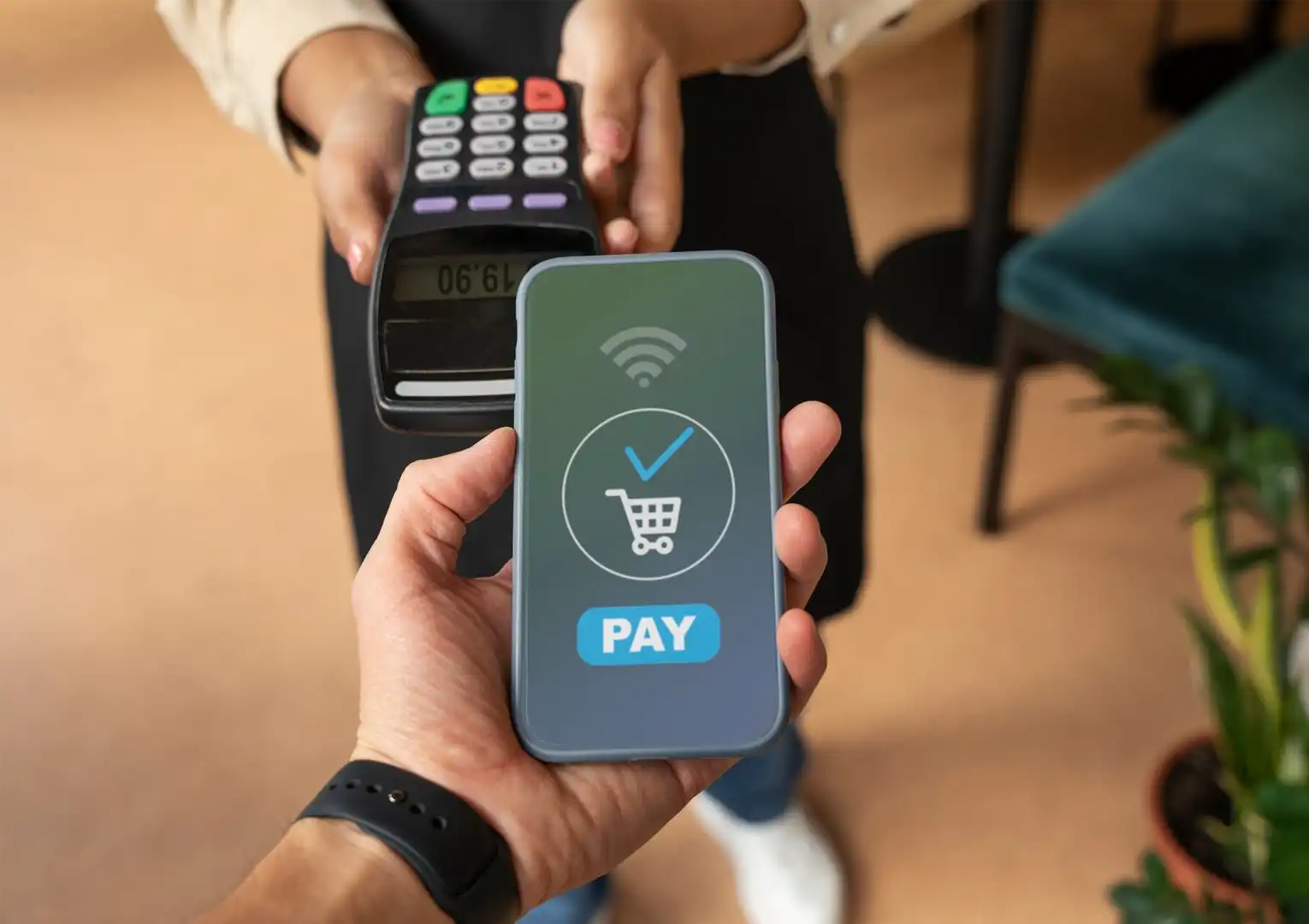
Electronic payments operate in a variety of ways and on a variety of platforms. Here are some of the most popular types of electronic payments today.
1. Debit Cards and Credit Cards
Even though they are old methods, credit and debit cards are two types of electronic payments that are still widely used today.
In this payment method, payment details will be entered into the system and processed in the point-of-sales (POS) system.
2. E-wallet
Many fintech companies offer digital wallets to facilitate transactions, including OVO, GoPay, Shopee Pay, and many others.
It allows customers to pay for goods and track their payment history using their mobile phone.
3. NFC
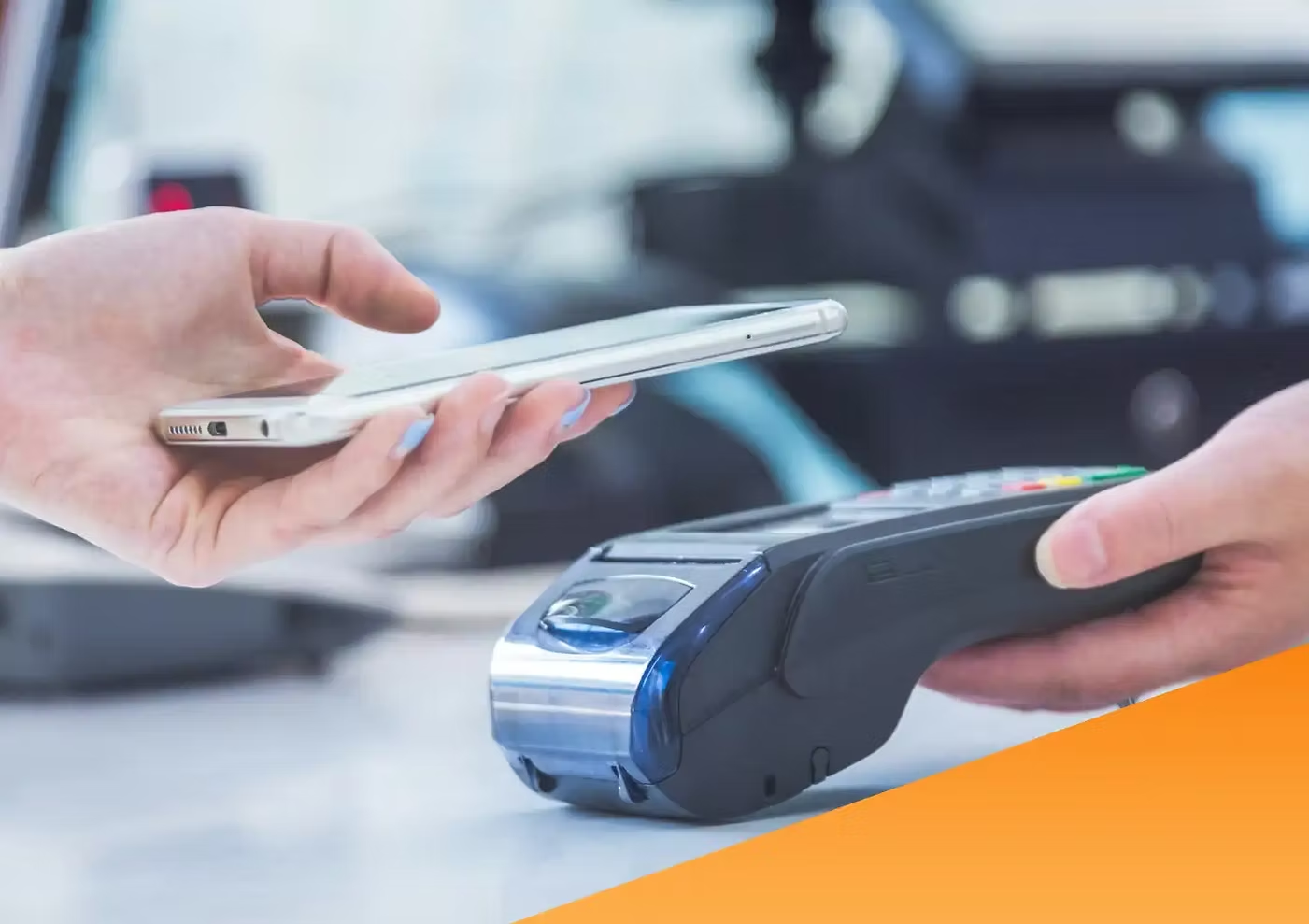
Contactless payments, also known as tap-to-pay, involve tapping or waving a contactless card over a payment gateway.
This method uses Near Field Communication (NFC) technology to connect two electronic devices to transfer data wirelessly. Examples include e-Toll and TJ Card.
4. QRIS
QRIS (Quick Response Code Indonesian Standard) is actually also considered a contactless payment method. However, this payment method doesn’t involve a card, but rather scans a QR code using a smartphone’s camera.
The code will direct customers to the relevant payment page to make payments quickly and seamlessly.
5. Internet Banking
Internet banking allows customers to transfer money and make electronic payments through their devices.
This method is connected to internet access and usually through an official bank-provided app. Examples include Livin by Mandiri, Wondr by BNI, and KlikBCA.
6. ACH
Automated Clearing House (ACH) is an electronic money transfer system that automatically processes transactions between banks. In the context of MSMEs, this payment method can be used for recurring transactions.
For example, employee payroll payments, auto-debit bills, or receiving payments from customers on time, ACH can help MSMEs save money because its transaction costs are lower than manual transfers or wire transfers.
7. Virtual Account
A virtual account is a payment method where customers receive a special account number (virtual account) created by a service provider or bank—usually consisting of 16 randomly generated digits and can only be used to pay one bill.
Incoming payments will be automatically identified and recorded directly by the system, eliminating the need for manual confirmation. You can find this payment option when shopping on e-commerce platforms like Shopee, Tokopedia, and others.
By now, you understand that electronic payments are an essential part of any business. To provide this, you can subscribe to the Labamu app, which is ready to accommodate all your business needs.
Whether it’s for internal purposes like checking stock, paying bills, and generating financial reports, it’s also a POS system that you can use to accept electronic payments from customers. Download the app now from Google Play or the App Store!