
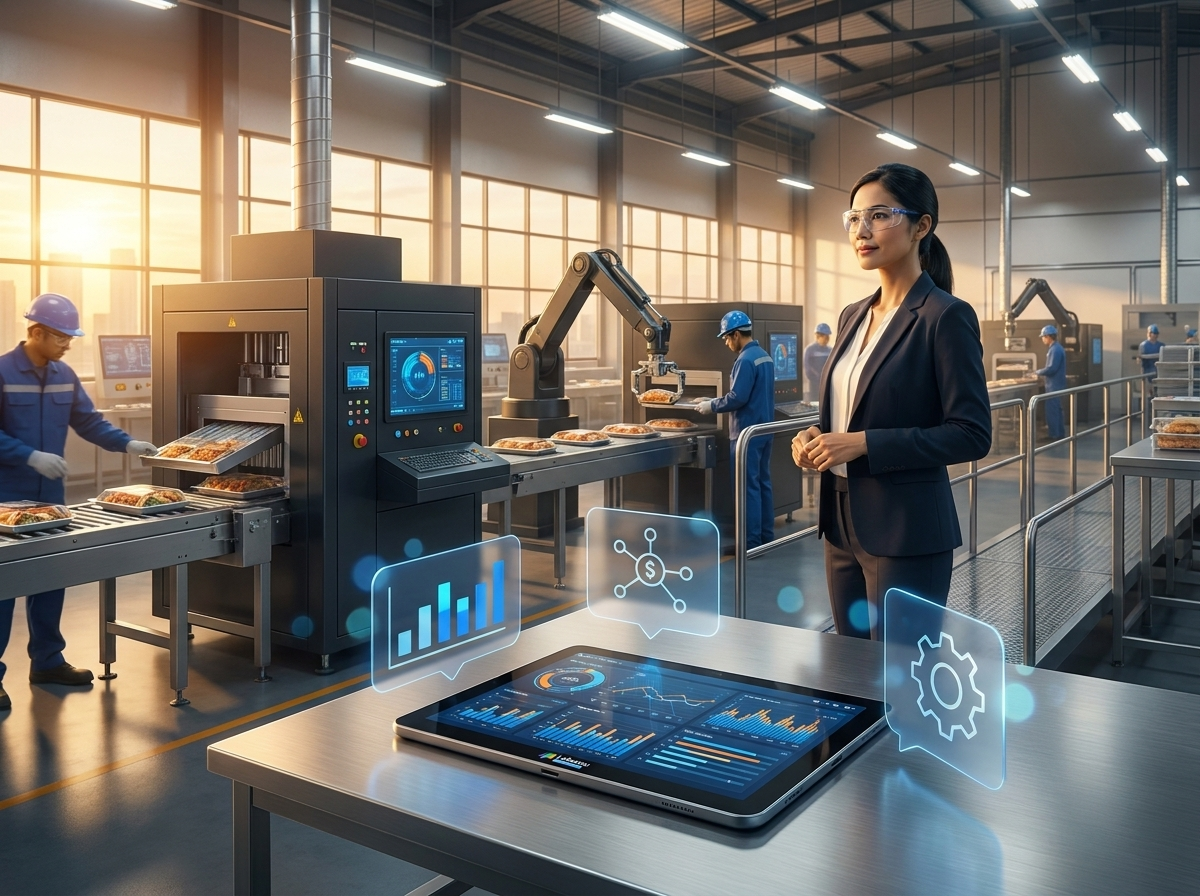
Managing work in progress (WIP) is now much easier using Labamu Manufacturing for daily operations. Many manufacturing entrepreneurs often ignore the piles of semi-finished goods in factories.
In fact, this buildup of stock can really disrupt your business’s cash flow. These obstacles often lead to wasting space and valuable working capital.
Let’s discuss smart solutions to overcome these operational problems effectively. You can detect any production problems early and on target.

- Core Definition: WIP is raw material that is being processed but has not yet become a final product.
- Main Impact: Uncontrolled buildup of WIP inventory will freeze your working capital.
- Digital Solutions: Modern platforms help track semi-finished goods movement in real-time.
You should first learn about Labamu Manufacturing’s advanced features for the efficiency of your production system.
What is Work in Progress (WIP) in Business Operations?
Work in progress (WIP) is raw material that has entered the production process but has not yet been completed. This term refers to all semi-finished goods in your factory.
This item still needs finishing touches before it is ready to be sold to consumers. The investment value includes the costs of materials, labor and overhead.
In manufacturing accounting, the WIP value is recorded as your company’s current assets. The financial balance will reflect the efficiency of capital turnover of these assets.
Understanding the status of semi-finished goods helps you control daily production capacity. You can avoid the accumulation of unnecessary goods in the warehouse.
A smooth production flow will certainly increase customer satisfaction for your business. Delivery of finished goods to market can be done much faster.
Accurately recording WIP values is very important for your financial reports. This data is the basis for calculating the product’s cost of goods sold (HPP).
The meaning of the abbreviation WIP in various different industries that you must understand
The abbreviation WIP refers to the status of work on goods or projects that have not been completely completed. The meaning of this term can vary depending on the industrial sector in which it operates.
Each business field defines this concept according to their respective operational activities. However, the main essence remains the same, namely ongoing work.
The following is a comparison table of the WIP concept in various industrial sectors:
| Industrial Sector | The Real Meaning of the WIP Concept | Examples of Measured Elements |
| Manufacturing | Semi-finished physical products on a factory assembly line. | Car components being assembled on the machine. |
| Construction | The physical construction phase of the building that is currently underway. | The unpainted concrete structure of the building is complete. |
| Technology (IT) | Software features that are still in the coding stage. | Beta version of the application currently being tested internally. |
| Creative | The work concept or design draft that is being revised. | Illustrative sketch of a product awaiting client approval. |
In all these industries, good WIP control prevents cost overruns. Regular monitoring ensures the project is not delayed from the specified schedule.
Successful entrepreneurs always monitor developments in this status every day without fail. This minimizes the risk of loss due to delays in completing main work.
How to Manage Work in Progress (WIP) in a Modern Manufacturing System?
Managing work in progress (WIP) is done by limiting the amount of production and monitoring each work station. This tactical step prevents the accumulation of goods on the factory floor.
Applying the right method will make the work flow very efficient. Each work division can function optimally without any waiting time.
The following are concrete steps for managing semi-finished goods in a factory:
- Implement the Kanban System: Use visual cards to indicate the inflow of raw materials for production.
- Limit WIP Quantity: Determine the maximum limit of semi-finished goods at each station.
- Track in Real-Time: Leverage digital systems to monitor the movement of product components.
- Eliminate Work Bottlenecks: Identify workstations that frequently experience production bottlenecks.
With this step, your factory production line will run more balanced. Labor productivity automatically increases without the need to increase overtime hours.
Utilization of modern technology platforms such as Labamu Manufacturing really helps this process. All production data is recorded automatically without the need for manual paper recording.
You can monitor the status of each product instantly from one dashboard. This system cuts your factory operational monitoring time significantly.
Main Challenges in Work in Progress (WIP) Inventory Management in the Field
The biggest challenges to WIP inventory management are production bottlenecks and inaccurate physical data recording. This problem often results in chaotic delivery time estimates.
Lack of visibility of the production floor worsens the daily operational conditions of your factory. As a result, many business decisions are made based solely on guesswork.
There are several classic obstacles that entrepreneurs often face:
- Bottleneck in the Production Line: One broken machine stops the entire supply chain in the factory.
- Erroneous Manual Recording: Data input errors make the actual stock and the system different.
- Lead Time Too Long: Slow production processes hinder the turnover of your business capital.
- Poor Communication Between Divisions: Information about design changes is slow to reach the assembly team.
You can now overcome all these operational challenges through system digitization. The digital system synchronizes raw material stock data automatically and instantly.
You no longer need to physically check the warehouse every hour. Just rely on integrated technology to keep your manufacturing business running smoothly.

Strategic Steps to Prepare a Future Production System with Profit
Preparing a factory for the digital era starts with adopting the best production management technology. This smart decision will ensure the long-term sustainability of business operations.
Don’t let half-finished goods pile up and drain your working capital. Start integrating all production floor operations with digital platforms today.
The Labamu Manufacturing application is here to help you simplify inventory tracking as a whole. Monitor all developments in production activities easily right from the palm of your hand.
Increase your factory’s profitability and efficiency to the highest level starting today! Take full control of your production system for a bright future.