At a time when the popularity of shopping in e-commerce is increasing, the challenge for retail stores to remain busy with buyers is also increasing. Well, Point of Purchase (POP) could be the solution. What’s that?
Retail stores should not underestimate POP displays because this is what factors into impulse purchases from customers. This method will of course produce more profits.
So, What is Point of Purchase?

In Indonesian terms, Point of Purchase is also called the point of purchase.
This is a marketing term used to describe the area where a seller places its promotional or marketing materials.
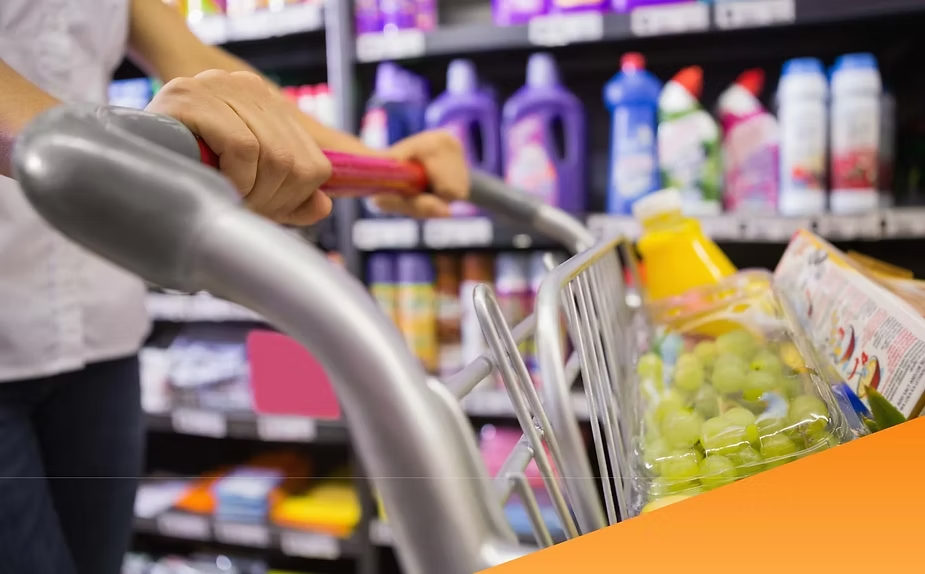
POP is the area where most customers will find the products they want to buy. So, placing promotional items there can increase your chances of being purchased.
POP such as special offers, product demos and sales promotions, which are strategically placed in stores, will attract buyers’ attention so that they are more likely to buy.
Types of Point of Purchase

There are three types of POP that sellers can use, namely:
- Temporary. POP displays last only a few months because they are made with cheap materials. Usually used for promotions or discounts on seasonal products.
- Semi-permanent. Known as off-shelf displays or secondary displays, these POPs last between three months to a year. Generally, displays have better design quality.
- Permanent. As the name suggests, this POP display can last several years and usually only big brands with popular products use it.
Benefits of Point of Purchase in Stores

After knowing what Point of Purchase is, here are the benefits that sellers will experience if they use this marketing technique.
1. Attract Customer Attention
This is the biggest benefit of POP displays. If product packaging can’t convince customers to buy, a larger and more visually appealing POP display can certainly do it.
2. Educate Buyers
With POP, sellers can better educate buyers about the quality of their products which are different from others. Stores can provide more in-depth information.
3. Target Impulsive Buyers
POP displays can be an effective tool for targeting impulse buyers, especially if they may not yet know what they want to buy.
4. Reduce Marketing Costs
Through an effective POP strategy and placement around areas customers will see, stores can target shoppers directly.
5. Improve Retail Merchandising
Brands can also use POP displays to improve the way sellers advertise their products. When providing POP in stores, also provide instructions on how sellers should use it to get maximum results.
6. Product Placement Flexibility
Instead of being placed in an obscure location on a shelf, POP displays allow brands to place their products in areas of customer traffic. So, the product is easier to see and customers decide more quickly to buy it.
Example of Point of Purchase Display

There are several examples of POP displays that are commonly found in stores, including:
1. Freestanding Displays
These POP displays can help direct shoppers’ attention to certain products because they are usually placed in busy areas of the store.
Apart from generally just being made of cardboard, some POP displays also feature product samples and maybe even small free packages that you can try.
2. Shelf Talkers
Also called a hang-tag, this is a sign or tag placed next to a product on a shelf to promote it. Usually it says the price or information about the product’s unique features and benefits.
3. Dump Bins
This POP display is usually used to advertise candy, chocolate and other snacks because it can accommodate many products. It is also ideal for promoting a brand’s image and encouraging buyers to purchase multiple items at once.
4. Floor Graphics
It is usually placed on the floor in front of the aisle shelves, where the products being promoted are located. Apart from being visually attractive, it makes it easier for customers to find products and attract attention.
5. End Caps
Shoppers can find this POP display at the end of the aisle where two shelves face each other.
In addition to saving shelf space and providing product placement flexibility, POP display visibility is better because shoppers can see it without having to go to the end of the aisle.
6. Vendor Shops
This is usually used by small shops inside large stores to display products from certain brands. The goal is to differentiate themselves from competitors and provide more flexibility in terms of placement in limited shelf space.
Tips for Creating Effective Point of Purchase Displays

Here are some tips for creating POP displays to increase sales:
1. Use Bold Images
Because the main aim of POP display design is to attract customer attention, use ‘bold’ images and words, such as:
- Bright colors
- Large print
- Fun and interesting words
- Visually appealing images
- Irregular shape
2. Choose the Right Location
For the greatest impact, place POP displays in areas with high customer traffic and with easy accessibility to the products being promoted. For example, open space for freestanding displays or shelf talkers on a hallway shelf.
For smaller items, POP displays can be placed in the checkout line, where shoppers can see them while waiting to pay for groceries.
3. Focus on Unique Qualities
Show customers the unique qualities of a product or brand including key selling points, most popular colors, and other information that can encourage people to buy.
4. Make it concise
A good POP display should be short and to the point. Keep the message clear and include action words that will entice people to buy and remember them the next time they shop.
5. Know the Audience
It’s important to tailor the message to a specific audience when creating a POP display. This allows messages to be more appealing to the right targets, while increasing acceptance, brand awareness and sales.
6. Create a story
To make your POP display attractive, use a unique story for the brand or product being promoted. For example, the company’s founding date, its secret recipe, or its benefits.
Itulah penjelasan lengkap tentang apa itu Point of Purchase, yang bisa digunakan untuk meningkatkan penjualan di toko retail.
For more complete information regarding the ins and outs of sales, including POP, you can get it on the Labamu application.
More than 70,000 MSMEs in Indonesia have experienced growth and ease in running a business with this application. Come on, download it directly on Google Play or the App Store!