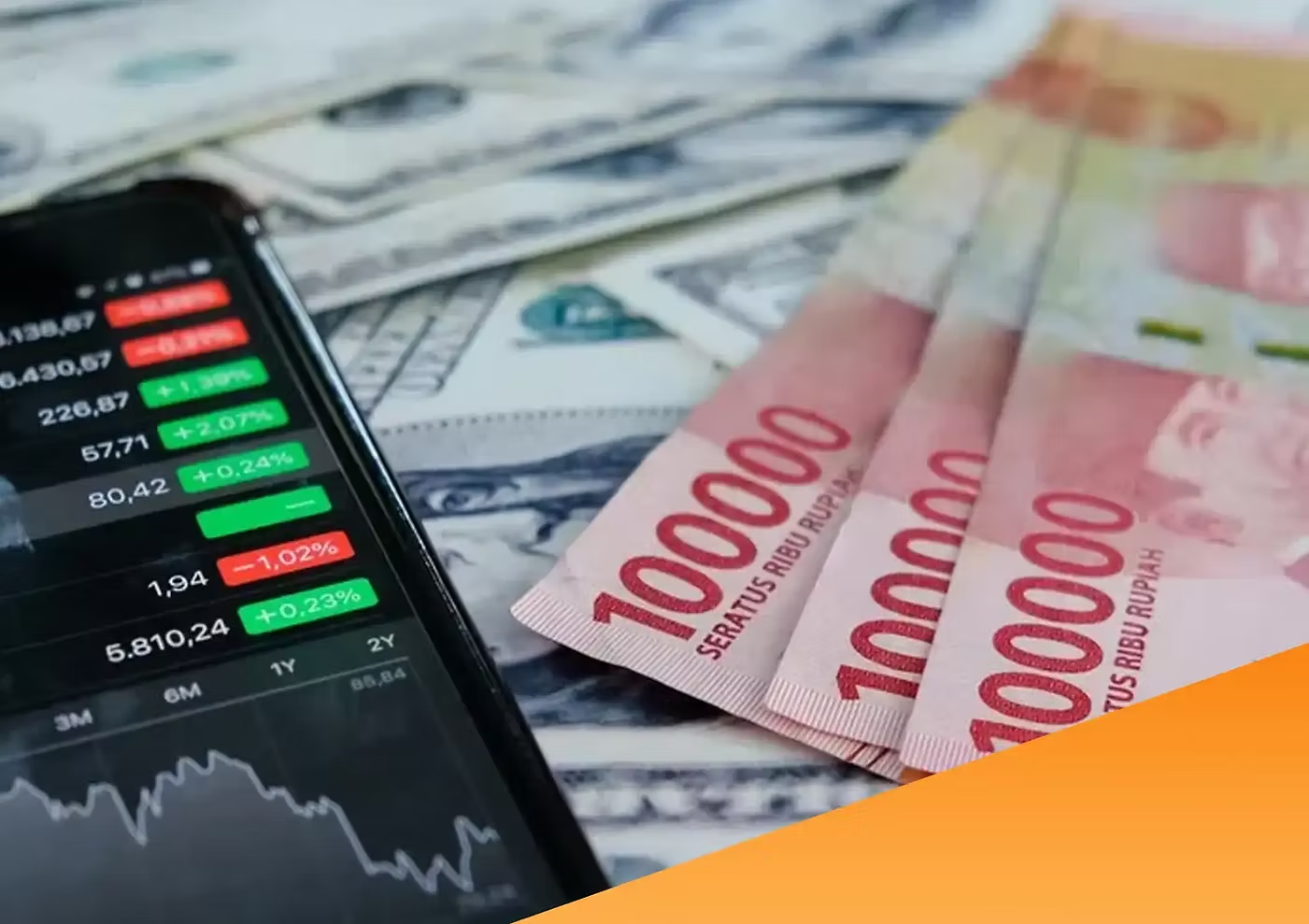
Bagi sebagian pelaku UMKM, istilah kurs mungkin terdengar seperti sesuatu yang hanya penting bagi pelaku ekspor-impor berskala besar. Padahal, dalam realitas bisnis masa kini yang semakin terdigitalisasi dan terhubung secara global, kurs adalah sesuatu yang tak bisa diabaikan.
Besides directly impacting operational costs, exchange rate fluctuations also impact profit margins and business competitiveness. Therefore, understanding exchange rates isn’t just about knowing today’s exchange rate; it’s also about reading trends, managing risk, and making strategic decisions.
In this article, Labamu will explain what exchange rates are and other important things you need to understand. Read on to learn more to better prepare yourself for the dynamics of the global economy!
Understanding Exchange Rates
Simply put, an exchange rate is the value of one country’s currency against another. For example, if 1 US dollar is equal to Rp16,000, then the rupiah exchange rate against the dollar is Rp16,000/USD.
However, beyond these figures, exchange rates play a significant role in determining the direction of the economy, both nationally and at the small and medium-sized enterprise level.
As Investopedia explains, exchange rates are not just the exchange rate between currencies, but are also an important indicator of a country’s economic health.
Along with interest rates and inflation, exchange rates significantly influence how international trade operates. This means that exchange rate fluctuations are not just a matter for central banks or multinational corporations but also have direct implications for MSMEs, especially those that have or are moving into digital and global markets, or those that use foreign currency-denominated products and services.
Therefore, understanding the concept of exchange rates and what influences them is not just economic knowledge, but part of a smart business strategy.
Types of Exchange Rates That MSMEs Need to Understand
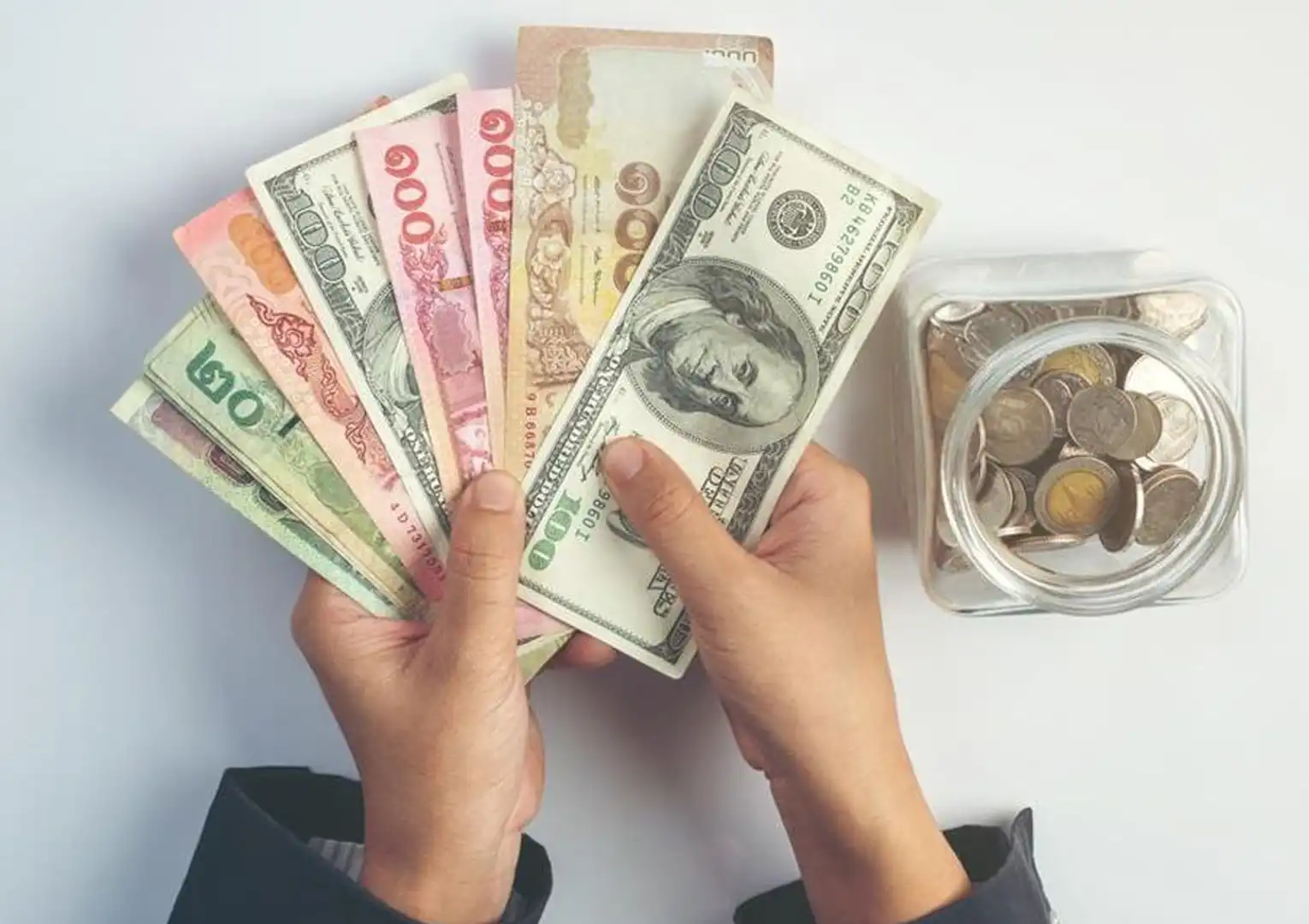
Now that we understand that exchange rates can have a significant impact on business activities, it’s time to learn about the different types of exchange rates used in international trade and transactions. Here are some of the most common and relevant exchange rates for MSMEs.
1. Selling Rate and Buying Rate
The selling rate is the rate set by banks when they sell foreign currency to customers. The buying rate is the rate set by banks when they buy foreign currency from customers.
For example, if you purchase a product from abroad and must pay in dollars, you will be charged the selling rate. Conversely, if you receive payment in dollars from a foreign customer, the bank will use the buying rate.
2. Middle Rate
The middle rate is the average of the selling and buying rates. This rate is often used by Bank Indonesia for reference purposes and in official publications. Although not always used in real transactions, the middle rate is an important indicator of the average daily exchange rate.
3. Spot Rate
Kurs spot adalah kurs yang berlaku untuk transaksi yang penyelesaiannya dilakukan segera, biasanya dalam waktu dua hari kerja.
This is a relevant example for MSMEs that make direct international payments, for example for purchasing raw materials or production equipment from abroad.
4. Forward Rate
Different from the spot rate, the forward rate is the rate agreed upon today for a transaction to be carried out in the future with the aim of hedging against exchange rate fluctuations.
For example, suppose you’re signing a contract to purchase raw materials from abroad in the next six months. To avoid the risk of fluctuating exchange rates, you can use a forward rate.
5. Fixed Exchange Rates and Floating Exchange Rates
A fixed exchange rate is an exchange rate set by the government and maintained at a specific level. A floating exchange rate, on the other hand, is a rate established by market mechanisms based on supply and demand in the foreign exchange market.
Currently, Indonesia adheres to a managed floating exchange rate system, which means Bank Indonesia can still intervene if major fluctuations occur.
Factors Affecting Exchange Rate Changes
Currency exchange rates can change daily, even within hours. These changes are influenced by various factors, but here are some of the most important ones.
1. Inflation
Countries with low inflation rates tend to have stronger currencies. This is because people’s purchasing power remains strong, making them attractive to investors and market players. Conversely, high inflation will weaken the currency’s value by reducing market confidence in the country’s economic stability.
2. Interest Rate
High interest rates attract foreign investment because they offer higher returns. When many investors convert foreign currency into local currency to invest, demand increases, and the currency’s value appreciates. Conversely, low interest rates tend to weaken the exchange rate because the investment returns are less attractive.
3. Political and Economic Stability
Countries with stable political conditions and healthy economies typically have stronger and more stable exchange rates. Conversely, political uncertainty or social conflict can cause capital outflows from a country, weakening its exchange rate.
4. Trade Balance
The trade balance is the difference between a country’s exports and imports. If a country exports more than it imports (a surplus), demand for its currency increases, and the exchange rate appreciates. Conversely, a trade deficit can put pressure on the local currency due to the need to pay for imports in foreign currency.
5. Foreign Debt
The larger a country’s foreign debt, the greater the burden of repayment in foreign currency. This can impact investor confidence in the country’s ability to repay its debts, and if confidence declines, the exchange rate will also be affected.
6. Central Bank Intervention
Central banks, such as Bank Indonesia or the US Federal Reserve, can intervene in the foreign exchange market to maintain exchange rate stability. They can buy or sell specific currencies to influence their exchange rates. This intervention is often carried out when exchange rates fluctuate too drastically and risk disrupting national economic stability.
7. Market Speculation
Speculation occurs when traders or investors predict the future direction of a currency’s exchange rate and then make transactions based on that prediction. For example, if many speculators believe the rupiah will weaken in the near future, they will sell rupiah and buy dollars. This action can actually cause the rupiah to weaken—even if economic fundamentals are actually stable.
The Impact of Exchange Rate Changes on MSMEs
Exchange rate fluctuations can significantly impact the activities and sustainability of small and medium-sized businesses, especially those that have gone global or gone digital. Here are some of the impacts to understand.
1. Affects Operational Costs
If your business relies on imported raw materials or products, a weakening rupiah can increase purchasing costs. This can also affect software subscriptions, international shipping, and payments to foreign vendors. These rising operational costs are often difficult to avoid and can disrupt the cash flow of MSMEs.
2. Affects Profit Margin
When exchange rates fluctuate and production costs rise, MSMEs cannot always immediately raise their selling prices. As a result, profit margins shrink. If left unchecked, this situation can disrupt business continuity and complicate future planning.
3. Menentukan Daya Saing di Perdagangan Internasional
A weak rupiah exchange rate can benefit MSMEs that export products, making selling prices more competitive in the global market. Conversely, a stronger rupiah can make local products more expensive abroad and less competitive than products from other countries. This means that exchange rate fluctuations can be both an opportunity and a challenge, depending on the type of business.
4. Influences Selling Prices and Market Demand
When the exchange rate weakens and production costs rise, MSMEs may be encouraged to raise their selling prices. However, not all markets are receptive to price increases, especially when consumer purchasing power is declining. This can reduce demand and disrupt business continuity.
5. Influences Financial Planning and Investment
Exchange rate fluctuations also make future cost calculations uncertain. This makes it difficult for businesses to create budget projections, set selling prices, or plan expansion. This uncertainty can also make MSMEs more cautious or even delay important investments.
How to Get Around the Constantly Changing Exchange Rate
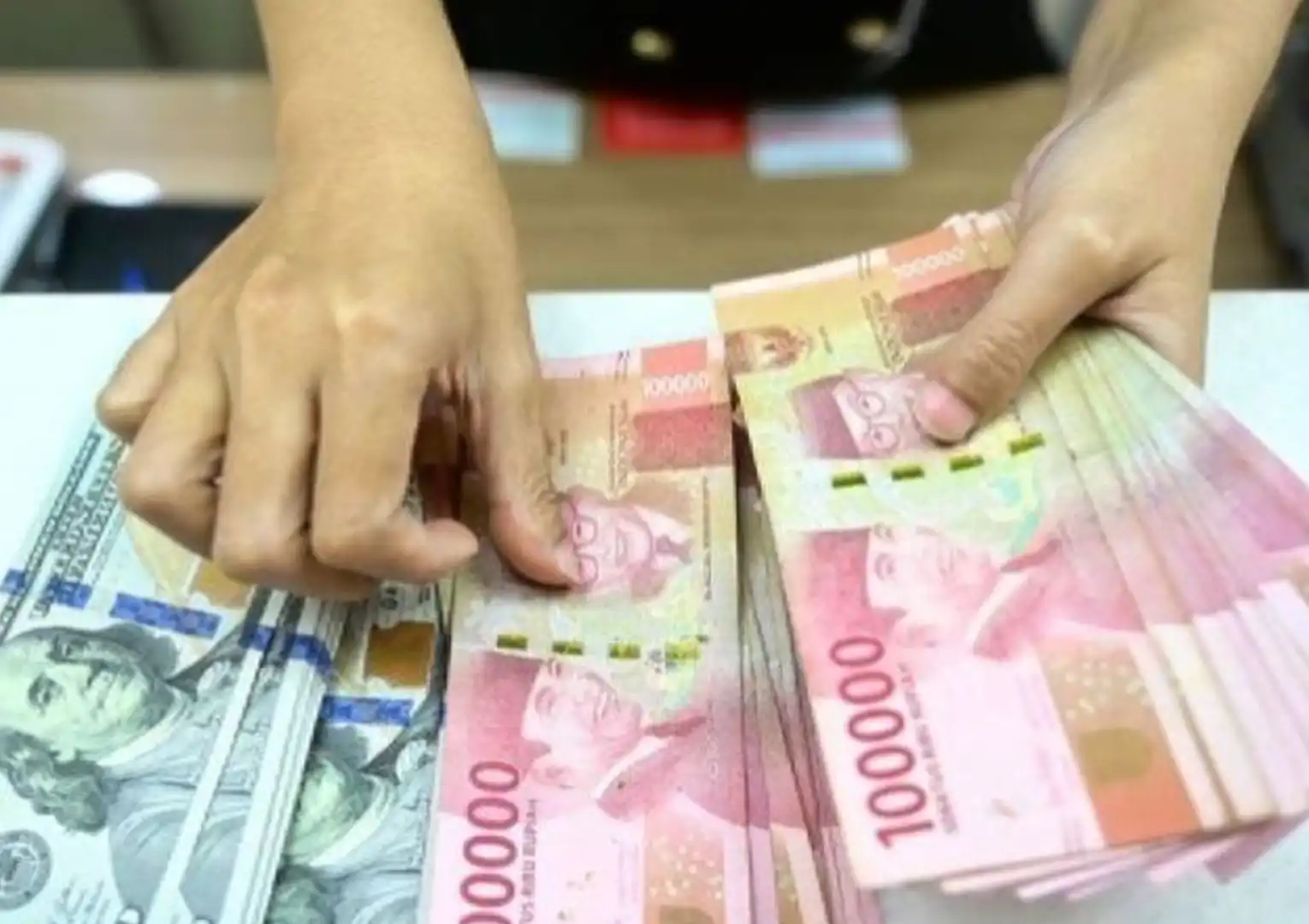
For MSMEs involved in import and export activities, exchange rate fluctuations are not just economic terms—they are a business reality that must be faced. Here are some strategies for dealing with fluctuating exchange rates.
1. Menukar Mata Uang (Currency Conversion)
If your business makes or receives payments in foreign currencies, the conversion process is crucial. You can consider exchanging currencies at the spot rate (although this often comes with additional fees) or choosing a payment service provider that offers more competitive rates and lower fees. This helps reduce expenses and maintain optimal profits.
2. Melindungi Nilai Valuta Asing (Currency Hedging)
Hedging is a risk management strategy that protects a business from unexpected exchange rate fluctuations. For example, if you need to pay a foreign vendor within the next two months, you can use a forward contract to “lock in” the current exchange rate in anticipation of a rise in the exchange rate. This way, you can manage your budget and minimize potential losses due to exchange rate fluctuations.
3. Foreign Exchange Arbitrage
Arbitrage is an advanced strategy that exploits differences in currency prices across different markets. For example, if the euro is worth less in Hong Kong than in London, an arbitrageur could buy euros in Hong Kong and sell them in London to profit. However, this strategy is complex and high-risk, requiring a deep understanding of the market and access to professional trading tools. While this may not be the primary option for MSMEs, understanding the basic concepts is still crucial.
Exchange rate fluctuations are beyond our control, but that doesn’t mean MSMEs can’t prepare for them. With the information above, you’ll be better prepared to make informed decisions.
So, besides choosing an efficient payment method and considering strategies to overcome it, it’s important for you to have tools that can facilitate financial management, transactions, and business strategies.
Fortunately, Labamu offers a comprehensive and easy-to-understand business management solution. Download the Labamu app now via Google Play or the App Store and manage your business smarter.