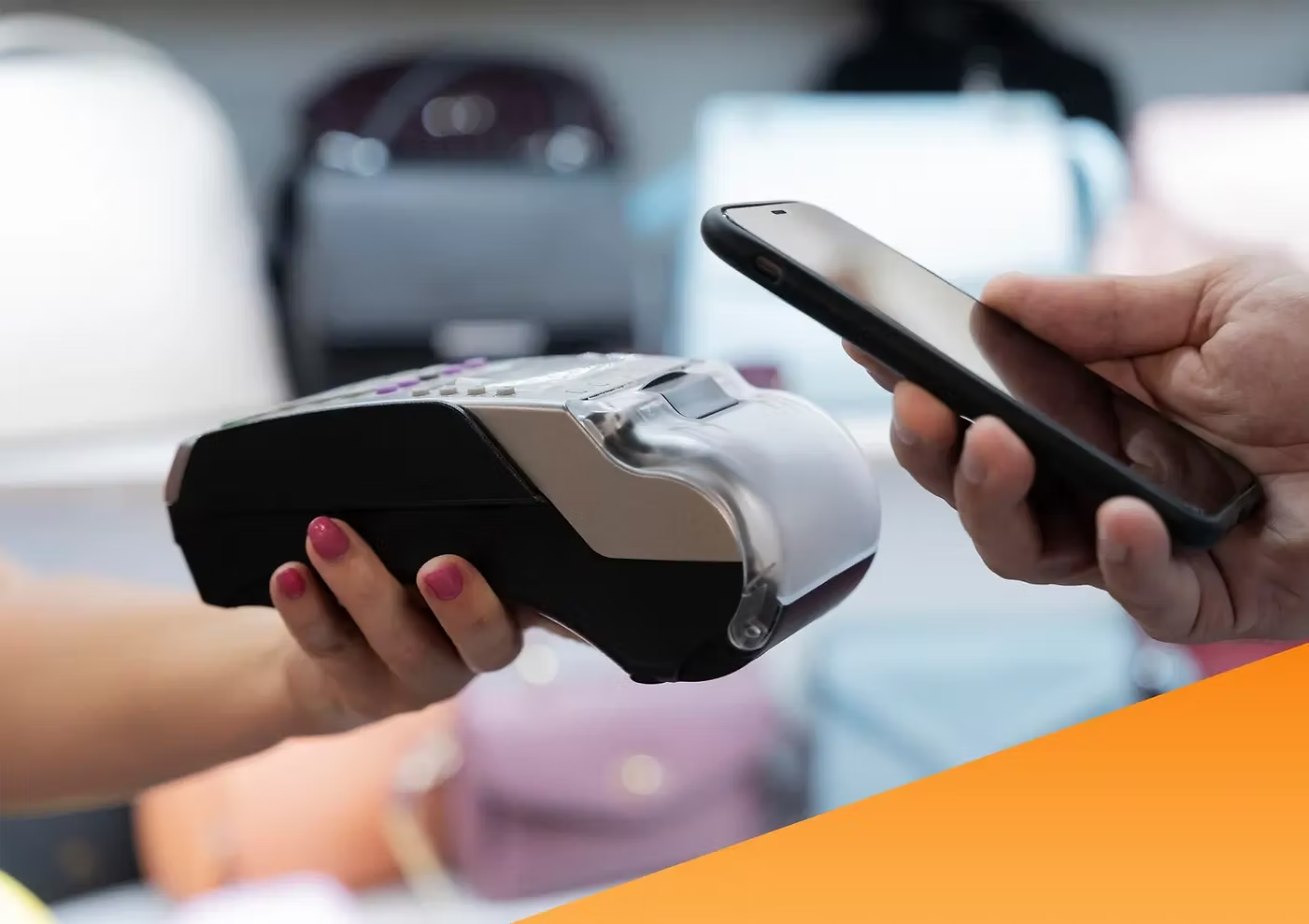
Nowadays, cash is no longer the primary payment option, as many people prefer using more convenient alternative payment methods. One of these is electronic payment, commonly known as e-payment.
With the banking and technology industries rapidly evolving, and the online shopping market continuously growing, both sellers and buyers need fast payment methods. This is where e-payment plays a crucial role.
If your business hasn’t adopted e-payment yet and you’re interested in getting started, here’s a complete guide to electronic payments.
Definition of e-Payment
Also known as an electronic payment system (EPS), e-payment is a digital method of transferring funds using electronic channels such as mobile apps, online banking, and various other payment methods.
This payment method provides a safe, efficient, and convenient alternative by simplifying financial transactions, enabling fast, paperless payments.
Additionally, this electronic payment system has revolutionized the way people manage their finances by making transactions faster, more efficient, and accessible to anyone with a bank account.
By eliminating the need for physical cash, e-payment has significantly reduced transaction costs, eliminated paperwork, and even lowered labor expenses for businesses.
How Electronic Payments Work
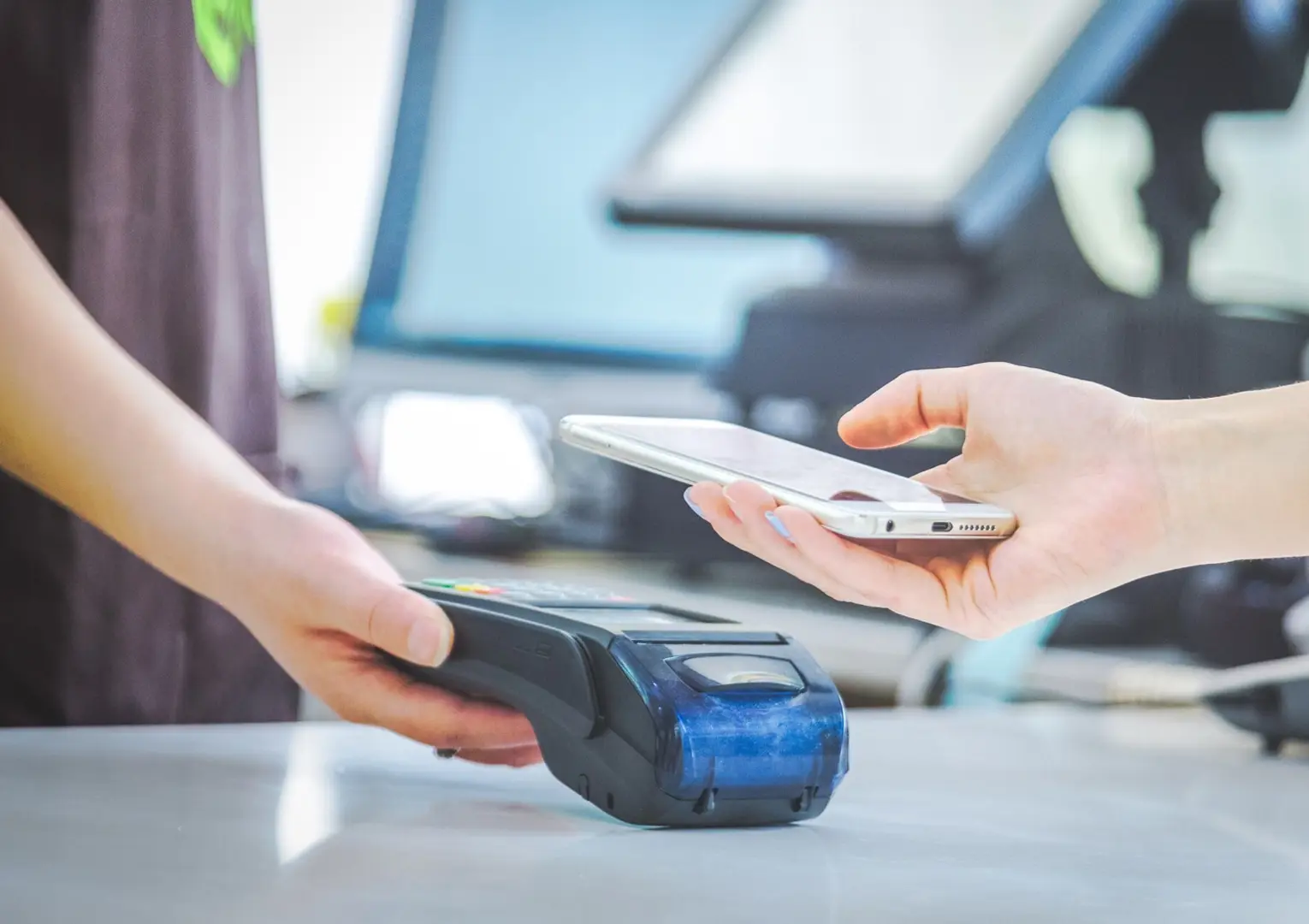
Electronic payments operate in several different ways, with many platforms available to choose from.
If you open a bank account, funds can be paid into that account using a bank card or bank transfer. Then, when shopping online, the money is deducted directly from your account balance.
If you sell goods, the payment will be transferred to your registered bank account. However, it usually takes 1–2 business days, depending on the payment system used.
For those who feel uneasy keeping money online, you can still make transactions as long as your credit card or bank account is linked to the electronic payment platform.
So, when making a purchase, the system directly accesses the financial data in your offline account and deducts the funds from there.
In short, to make e-payments, all you need for buying or selling are the account details of the electronic payment service.
Also read: Electronic Payment: Benefits and Options
Types of e-Payment Methods
If your business accepts electronic payments, it means you can expand your reach while keeping loyal customers coming back. Here are some of the most popular e-payment methods today.
1. Card Payments
Credit and debit cards remain the most popular type of electronic payment worldwide. However, their popularity is gradually declining among younger consumers.
According to a survey by EY, only 39% of Gen Z frequently use credit cards, compared to 51% of older generations.
2. Contactless Payments
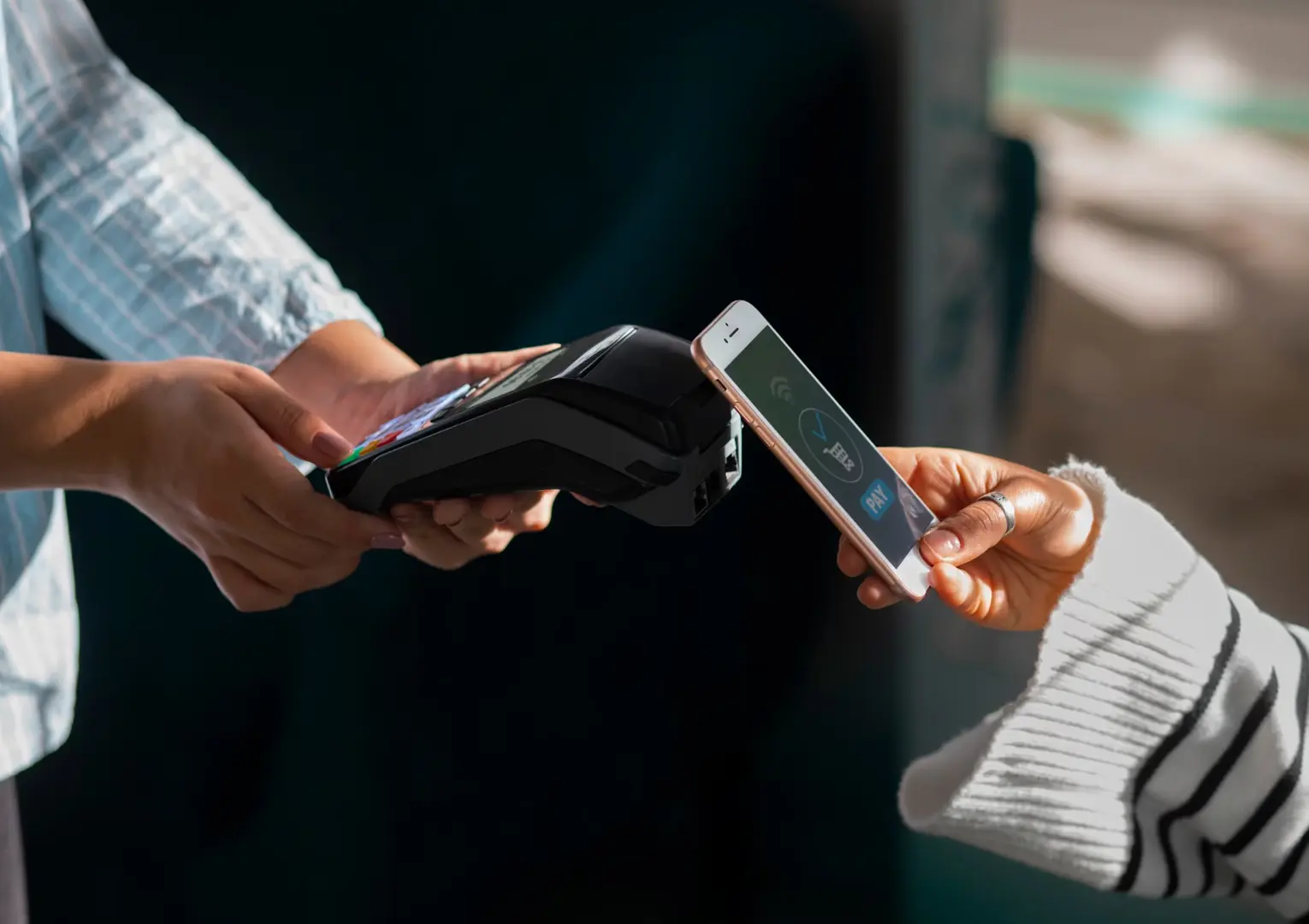
Also known as tap-to-pay, this is a contactless card payment method where you tap or wave your card over a payment gateway, using near-field communication (NFC) to transfer data wirelessly.
Thanks to its security and efficiency, the number of users has surged in recent years. In fact, analysts predict that the transaction value of tap-to-pay digital wallets will increase by 150% by 2028.
3. Digital Wallet Payments
Financial applications that store customer account information electronically are called digital wallets, such as Gopay, OVO, Shopeepay, Dana, and many more.
This payment method allows buyers to pay for goods and track their payment history using a smartphone or tablet with the digital wallet app installed.
Internet Banking Payments
This is a payment method using bank transfers via the internet or online banking, allowing funds to be electronically moved from one account to another.
Payments can be made through a computer or any device with internet access that’s connected to a bank account.
5. QR Code Payments
This is a type of barcode that stores information in a pattern of pixels.
The payment works by scanning the code with the customer’s smartphone camera, which directs the user to the relevant payment page to complete the transaction using their chosen method.
QR code payments allow consumers to pay easily, anytime and anywhere.
Advantages and Disadvantages of This Payment Method
1. Advantages
Electronic payment systems offer numerous advantages, including the following.
- Faster and More Accurate
Electronic payments allow funds to be transferred quickly and accurately, reducing the risk of delays or payment errors.
- Reduces Costs
Electronic payment systems significantly reduce transaction costs for both individuals and businesses. There’s no need for expenses on printing, shipping, or labor to process paper-based payments.
- Enhanced Security
Strong encryption and authentication measures protect sensitive financial data, reducing the risk of fraud and unauthorized transactions.
Users can also monitor their accounts in real time, allowing them to quickly detect any suspicious activity.
- More Convenient
Whether shopping online, paying bills, or splitting a restaurant bill with friends, e-payment offers unmatched convenience, making it easier and more comfortable to use.
- Wider Accessibility
Electronic payment systems are accessible 24/7, allowing users to make transactions anytime and from anywhere, as long as they have an internet connection.
This accessibility is especially valuable for international transactions, as it eliminates geographical barriers.
- Better Record-Keeping and Tracking
Every e-payment is automatically recorded in detailed transaction logs, making it easier for businesses and individuals to maintain accurate financial documentation.
2. Disadvantages
Every e-payment is automatically recorded in detailed transaction logs, making it easier for businesses and individuals to maintain accurate financial documentation.
- Masalah Keamanan
Although generally secure, this payment method is still vulnerable to security breaches such as hacking, phishing, and identity theft.
- Technical Issues
Because this system relies on technology, any technical disruptions or system failures can interrupt transactions.
- Privacy Concerns
Users may feel uneasy about the collection and storage of personal information by electronic payment providers, even though these providers are legally required to protect all user data.
- Transaction Fees
Some electronic payment systems may charge transaction fees to users, which can accumulate over time. For some people, this can feel burdensome.
Also read: What Is an E-Wallet? How It Works, Types, and Benefits for Businesses
Why Does Your Business Need e-Payment?
If your business still relies on physical payments, that’s fine. However, you may be sacrificing valuable time that could be saved by streamlining the payment process.
Here are several reasons why your business should consider switching to electronic payments.
1. Saves Time
Checks can take days to clear, and cash requires a trip to the bank. Meanwhile, electronic payments can automate many common manual accounting processes.
2. Helps Save Money
Historically, cash and check fraud have been very difficult to trace. Protecting your business from fraud is another major financial advantage of electronic payment systems.
Top-tier electronic payment systems are highly secure and often supported by machine learning, while digitalized systems provide real-time metrics for business owners, ensuring accurate audit trails.
3. Attracting New Customers and Retaining Loyal Ones
Acquiring new customers and retaining existing ones is crucial for your business’s success. In fact, 59% of businesses report that their customers fail to complete transactions because their preferred payment method isn’t available.
If you’re a business owner looking to start using e-payment, you can take advantage of the POS Cashier feature in the Labamu app. Here, customers can make transactions using various payment methods, from bank transfers, QRIS, and e-wallets to credit cards.
Additionally, the Reports feature provides complete and easy-to-understand sales reports, including transactions made via e-payment. So, you don’t have to worry about losing track of any customer payments.
That’s an overview of e-payment, a convenient payment method that can help your business grow. Go ahead and download Labamu today! on Google Play or the App Store so you can start using this payment method right away!