Starting a frozen food business can be a very profitable business opportunity, especially at a time when convenience and quality are consumer priorities.
Dengan potensi yang besar dan berbagai macam produk yang bisa ditawarkan, usaha ini mampu memberikan keuntungan yang signifikan jika dikelola dengan baik.
This article will discuss various important aspects of the frozen food business, from the capital required to tips for running this business successfully.
Let’s begin our journey to understand the ins and outs of the frozen food business and how you can benefit from it.
What is Frozen Food?
Frozen food is a type of food stored at very low temperatures to maintain its quality and shelf life. This freezing technique aims to slow the activity of enzymes and microorganisms that cause spoilage.
This way, frozen food can last longer than fresh food without significant loss of nutritional value and flavor. This technology allows food to be readily available at any time, especially for items that may not be available year-round.
Food is frozen quickly using blast freezing technology, which lowers the temperature of food quickly. This is crucial to prevent the formation of large ice crystals that can damage the texture and quality of the food.
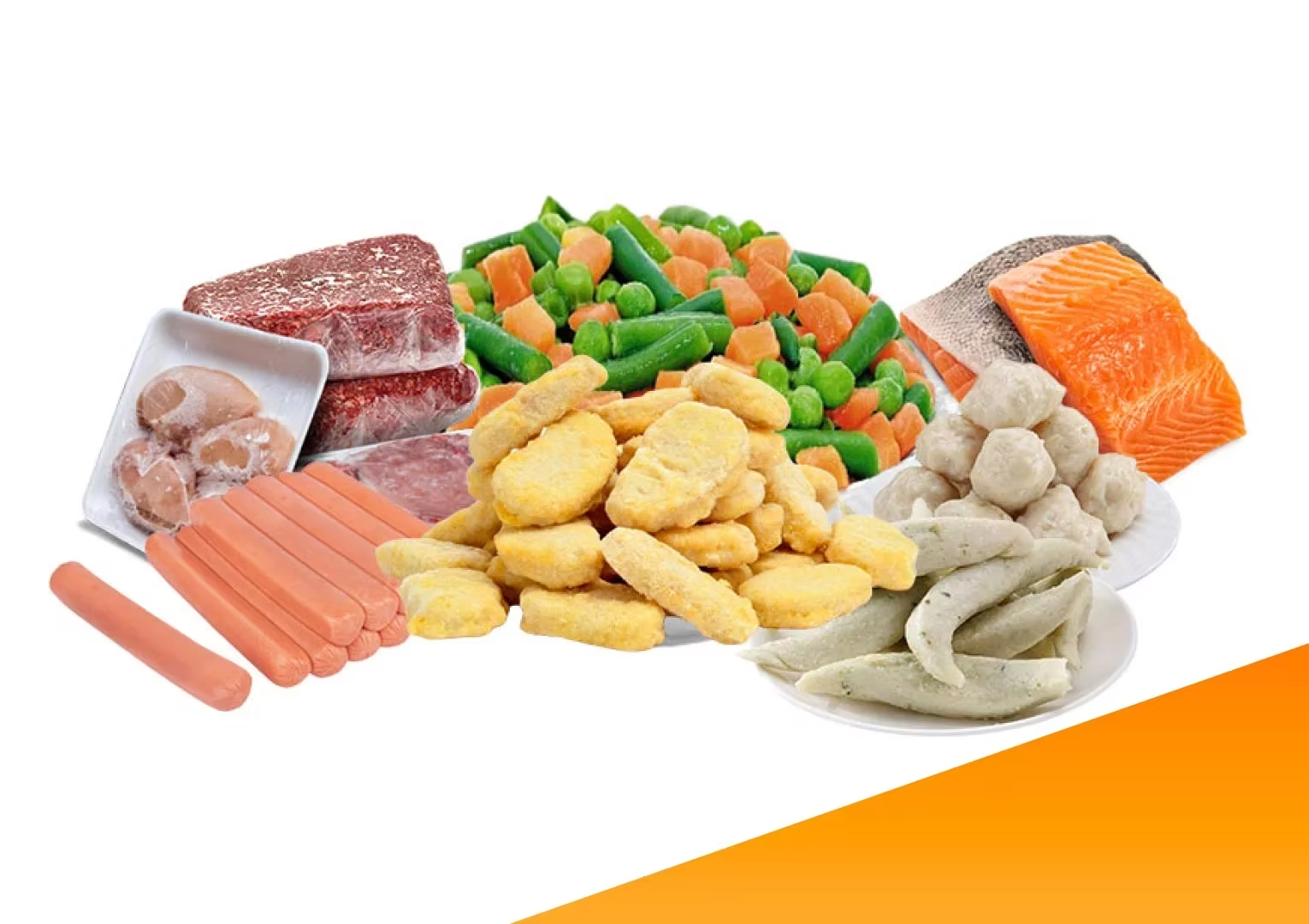
Frozen food encompasses a wide variety of foods, from meat, vegetables, and fruits to ready-to-eat meals that simply need to be heated. It’s a perfect choice for a beginner’s business idea.
To give you a clearer picture of the various options available in the frozen food category, here are some examples commonly found on the market:
- Chicken nuggets
- Beef sausage
- Minced beef
- Udang beku
- Frozen mixed vegetables
- Ready-to-eat pizza
- Grilled fish cake
- Beef kebab
- Dim Sum
- Frozen French fries
Benefits of Opening a Frozen Food Business
Opening a frozen food business can be a very profitable option. Here are some reasons why you might want to consider it.
- Frozen food has a stable demand due to the modern lifestyle which is fast and practical.
- Frozen food products have a long shelf life, reducing the risk of loss due to spoiled food.
- Frozen food can be distributed to various locations without worrying about it spoiling quickly.
- Ada banyak jenis makanan yang bisa dijual, mulai dari bahan mentah hingga makanan siap saji.
- Frozen food business capital can be started with small to large capital, depending on the desired scale.
Dengan memahami dan memanfaatkan potensi usaha frozen food, kamu bisa meraih kesuksesan dalam dunia bisnis kuliner yang kompetitif. Ingat, kunci utamanya adalah menjaga kualitas produk dan inovasi untuk menarik minat konsumen.
Curious about how to do it? Read this article to the end!
Capital Required to Start a Frozen Food Business
Sebelum kamu memulai usaha frozen food, penting untuk mengetahui modal yang diperlukan. Modal ini terbagi menjadi dua kategori utama:
1. Operational Costs (per month):
- Purchase of raw materials: Rp. 3,000,000
- Biaya listrik: Rp 500.000
- Venue rental fee: Rp. 5,000,000 – Rp. 10,000,000 (optional)
- Employee salary: Rp. 1,000,000 (optional)
- Biaya pemasaran dan promosi: Rp 1.000.000
2. Equipment Cost (one-time purchase):
- Blast freezer machine: Rp 20,000,000 – Rp 40,000,000 (optional)
- Freezer penyimpanan: Rp 5.000.000
- Alat pengemas vakum: Rp 5.000.000
- Food safety equipment (such as thermometer and hygrometer): Rp 1,000,000 – Rp 2,000,000
By understanding the details of the required capital, you can prepare more thoroughly and avoid unwanted obstacles later on. Be sure to create a detailed and realistic business plan to manage your budget efficiently.
Tips for Running a Frozen Food Business
Once you understand the capital required, the next step is running a frozen food business effectively. Here are some tips you can apply:
1. Conduct Market Research

Market research is a crucial first step before starting a business. You need to understand the needs and preferences of consumers in your area.
Identify which frozen food products are most in demand and pay attention to the latest trends in the industry. By conducting market research, you can determine the right strategy to meet consumer needs.
2. Menjaga Kualitas Bahan Baku

Kualitas bahan baku adalah kunci utama dalam bisnis frozen food. Pastikan kamu bekerja sama dengan pemasok yang terpercaya dan menyediakan bahan baku yang segar dan berkualitas tinggi.
Furthermore, the freezing process must be carried out correctly to preserve the nutrients and flavor of the food. Using the right freezing technology will significantly impact the final product.
3. Determine the Right Target Market

Determining the right target market will help you direct your marketing strategy more effectively. Identify the consumer groups most likely to be interested in your product, such as families, office workers, or students.
Knowing your target market will make it easier to create products that suit their needs and determine the most effective communication methods.
4. Determine Competitive Prices

Competitive pricing is a crucial factor in attracting customers. Analyze your competitors’ prices and determine a price that’s not only attractive but also profitable for your business.
Calculate all the capital outlays you’ll need for your frozen food business to ensure your selling price covers costs and generates a profit. Discounts and special offers can also be a strategy to attract new customers.
5. Utilizing Social Media for Promotion

Media sosial adalah alat yang sangat efektif untuk mempromosikan bisnis frozen food milik kamu. Buat akun di platform seperti Instagram, Facebook, dan TikTok untuk menjangkau lebih banyak konsumen potensial.
Post engaging content like recipes using your products, customer testimonials, and special promotions. Actively interacting with your followers is also crucial for building a loyal community and increasing brand awareness.
6. Establish Cooperation with Shops and Restaurants

Partnering with local shops and restaurants can expand the reach of your frozen food products. Offer your products as additional options on restaurant menus or as stock in grocery stores and supermarkets.
This collaboration not only increases sales but also helps raise brand awareness among new consumers. Ensure consistent stock availability and product quality to ensure a long-term partnership.
7. Monitor Market Trends Regularly

The food industry is highly dynamic and constantly evolving. Therefore, it’s crucial to regularly monitor market trends. Stay abreast of the latest developments in the culinary industry, such as popular food trends or innovations in production processes.
Through this process, you can adapt quickly and offer products that are always relevant to consumer needs.
8. Listen and Adapt to Customer Feedback

Customers are a valuable source of information that can help your business grow. Listen to their feedback about your products, whether it’s praise or criticism. Use this feedback to make improvements and innovations.
For example, if many customers want a new flavor, you might consider adding it to your product line. Showing that you care about their needs and desires will increase customer loyalty.
9. Manage Stock Effectively

Effective inventory management is crucial to avoid understocking or overstocking your frozen food business. Use a robust inventory management system to track product availability, expiration dates, and sales frequency.
This will help you maintain a balance between demand and supply, and reduce the risk of losses due to unsold or expired products.
10. Maintaining Product Quality Consistency

Consistent quality is key to retaining customers. Ensure every product you produce meets the same quality standards. This includes taste, texture, and nutritional value.
Use the same quality raw materials and standardized production processes. Regular employee training is also essential to ensure they understand the importance of maintaining quality and following established procedures, if you plan to hire someone.
Starting and growing a frozen food business requires the right tools to efficiently manage operations. Labamu is here to help MSMEs and other businesses optimize their sales processes and accept digital payments.
One of the Labamu app’s key features that is particularly relevant for frozen food businesses is the “Manage Raw Materials” feature. This feature allows you to manage raw materials in greater detail and comprehensively, reducing waste and ensuring they are always available.
Don’t miss the opportunity to optimize your frozen food business with the right technology. Visit the Labamu website for more information and download the Labamu app here.