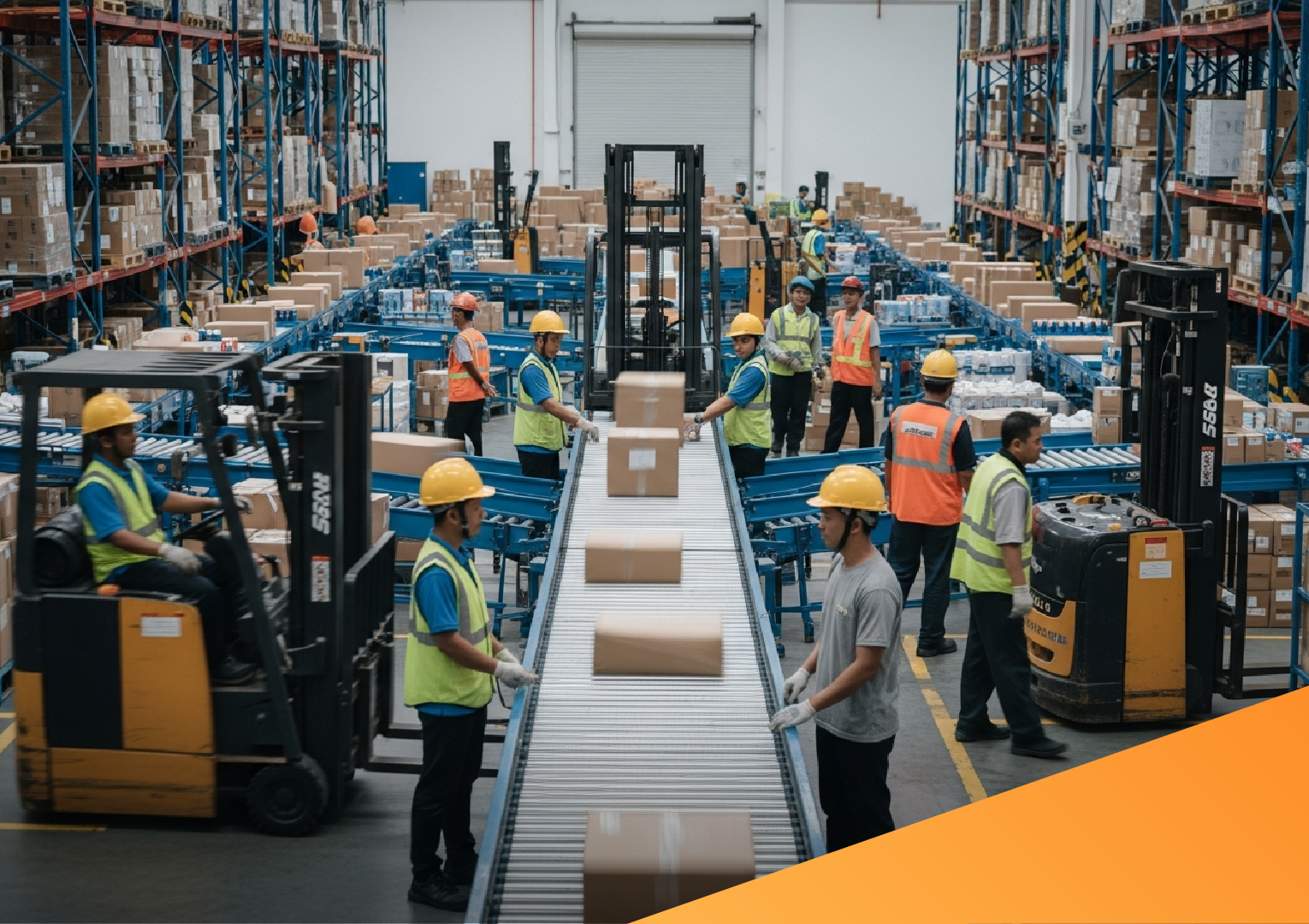
In any industry, lead time plays a crucial role in determining customer satisfaction and competitive advantage. This term refers to how quickly a business can respond to market demand—from production and delivery to service completion. By understanding what lead time is and how to optimize it, you can build a more efficient operational system, reduce delays, and keep customers satisfied. Let’s dive in!
What Is Lead Time?
According to the Corporate Finance Institute, lead time is a term commonly used in supply chain management, project management, and manufacturing to describe the time required or allocated to complete a process or project from start to finish. Simply put, lead time can be calculated using the formula:
Lead Time = Completion Time − Start Time
Meanwhile, Investopedia explains that to assess process efficiency, companies should calculate lead time by considering three main stages: pre-processing, processing, and post-processing. Accordingly, the formula becomes:
Lead Time = Pre-Processing Time + Processing Time + Post-Processing Time
Furthermore, Indeed adds that the context of lead time can vary depending on the industry. In retail, for example, lead time is measured from when a customer places an order until the product is received. In inventory management, lead time refers to the period between placing an order and receiving the stock.
Ultimately, everyone agrees that excessively long lead times usually indicate inefficiencies and resource wastage. Therefore, every business should review its processes and find ways to shorten lead time to improve operational performance.
What Are the Types of Lead Time?
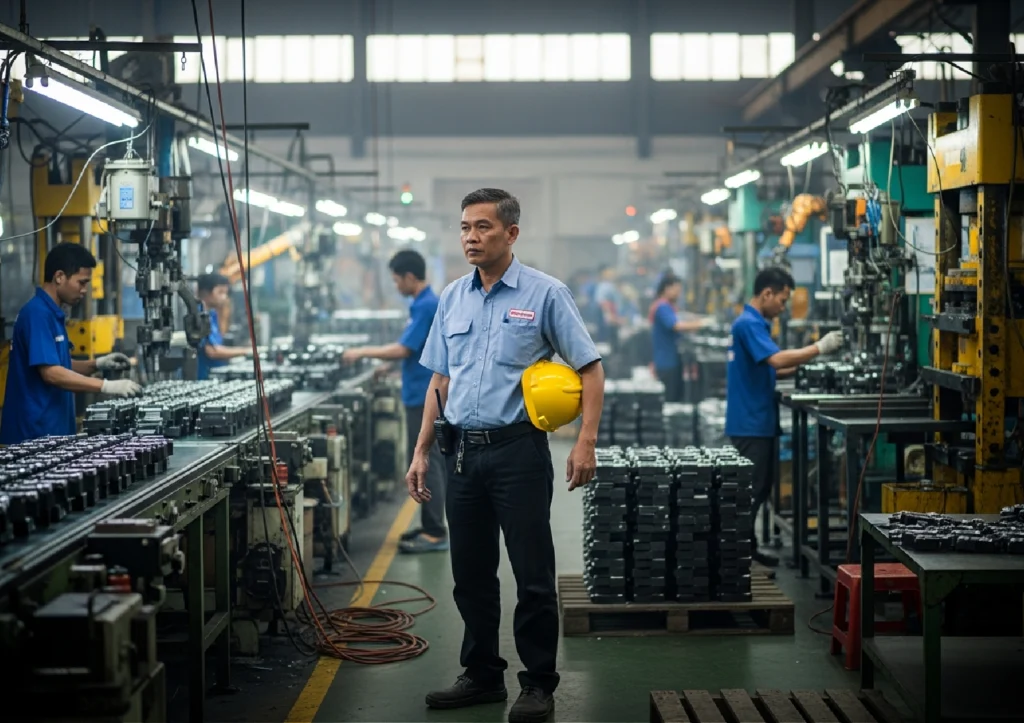
As mentioned earlier, the context of lead time can vary for each business, depending on its processes and focus. By understanding the different types, you can optimize more effectively at each stage of operations.
1. Customer Lead Time
Customer Lead Time is the time required from when a customer places an order until the product is received. This process includes order confirmation, product preparation, packaging, and final delivery. The shorter the lead time, the higher the customer satisfaction.
2. Material Lead Time
This type of lead time is often found in the manufacturing industry. Material Lead Time measures the time from when a company identifies the need for raw materials until the materials arrive at the production site. Factors such as ordering processes, supplier production time, and shipping influence the duration of this lead time.
3. Production Lead Time
Once all materials are available, Production Lead Time begins—the time required to manufacture the finished goods. This calculation does not include delivery to the customer; it ends when the product is ready for sale. Since it is entirely under the company’s control, this type of lead time is a primary focus for efficiency improvements.
4. Cumulative Lead Time
This lead time covers the entire process, from procuring raw materials to the final product reaching the customer. Cumulative Lead Time provides the most comprehensive view of a business’s operational efficiency. By measuring it, companies can identify the stages that take the most time and take strategic steps to reduce them.
5. Delivery Lead Time
Finally, Delivery Lead Time measures the time required to deliver finished products to customers. Key factors influencing it include the shipping method, the customer’s geographic location, and the performance of logistics partners.
How to Reduce Lead Time
Reducing lead time can be a strategic move to create a competitive advantage. Shorter process times bring numerous benefits to a business. Here are some effective steps to shorten lead time.
1. Evaluate the Causes of Delays
The first step is to identify the sources or causes of delays by reviewing each stage of your business process. Eliminate non-value-adding steps and focus on efforts that can speed up the overall workflow—such as quality control. This is crucial for reducing production time caused by rework or product rejection.
However, it’s important to remember that reducing lead time is not a one-time task. Regularly perform process mapping (value stream mapping) to identify activities that do not add value.
2. Strengthen Relationships with Suppliers
Responsive suppliers can significantly reduce waiting times. Choose reliable suppliers who are nearby and have a track record of on-time delivery. In many cases, sourcing materials locally can also cut logistics time without compromising quality.
3. Simplify and Automate Internal Processes
Automating repetitive tasks such as inventory tracking, reordering, or reporting can reduce human errors and speed up workflow. Identify bottlenecks and create systems that allow cross-departmental work to be more synchronized. Well-integrated and documented processes will shorten completion times and minimize revisions.
4. Manage Inventory More Strategically
Supply chain strategies like just-in-time (JIT) can reduce storage costs and the risk of stockouts. However, regardless of the strategy you choose, use a reliable inventory system to manage reorder points, monitor demand in real time, and ensure materials are always available when needed without overstocking.
5. Leverage Technology for Efficiency
Integrated systems like ERP or business management platforms such as Labamu can help monitor all processes in real time. This allows companies to anticipate potential delays before they occur and take preventive action. Such technology also enables teams to respond to obstacles more quickly, facilitates collaboration, and supports decision-making from anywhere.
6. Enhance Team Competence and Coordination
A well-trained team that understands workflows can execute tasks more quickly with fewer errors. Ongoing training programs and cross-training help team members become more flexible when facing changes.
7. Review Shipping and Distribution Methods
Evaluate the transportation modes and logistics partners you use—are they still efficient, or do they need updating? If possible, opt for faster shipping methods or increase delivery frequency. Some companies even establish regional warehouses to bring products closer to customers.
Why Reducing Lead Time Is Beneficial

Viewing lead time reduction merely as a way to speed up processes is a narrow perspective. In reality, shorter lead times can strengthen nearly every aspect of a business.
1. Increase Customer Satisfaction and Loyalty
Customers always expect speed and accuracy. With shorter lead times, businesses can fulfill orders faster, minimize the risk of cancellations, and maintain customer trust. This creates a positive experience, builds loyalty, and encourages repeat orders.
2. Boost Profitability and Cash Flow
Long lead times are often associated with inventory buildup in warehouses—essentially “frozen cash” in the form of stock. By reducing lead time, companies can speed up working capital turnover and shorten the cash conversion cycle, improving cash flow and freeing funds for innovation, expansion, or marketing activities.
3. Enhance Business Agility and Competitiveness
An agile business can respond more quickly to market trends, changing demand, or supply disruptions. This allows the company to seize opportunities before competitors do. Conversely, long lead times can cause a business to lose momentum and competitive edge.
4. Reduce the Risk of Stockouts and Idle Resources
When orders for raw materials or components are delayed, production lines can be disrupted, causing machinery and labor to be underutilized and affecting worker morale. Shorter and more consistent lead times, on the other hand, ensure smoother and better-coordinated production flow while avoiding costly downtime.
5. Reduce Waste and Improve Quality
Semakin lama suatu proses berlangsung, semakin besar pula kemungkinan terjadi kesalahan, cacat produksi, atau perubahan kebutuhan pelanggan di tengah jalan. Sebaliknya, lead time yang singkat memungkinkan perusahaan menjaga kontrol kualitas secara lebih ketat, menekan tingkat rework, dan mengurangi bahan terbuang.
Again, reducing lead time isn’t just about speeding up production—it’s about building a more efficient, resilient, and competitive business foundation. If you want to achieve an integrated and efficient production system, Labamu Manufacturing is the solution. With a single platform, you can manage all your production and distribution needs more effectively and efficiently. Try it now!