
The beginning of 2025 opened with news that caused quite a stir among business owners: the Value Added Tax (VAT) increased from 11% to 12%. The hike may seem small, but its effects are felt directly in daily life—prices rise, and consumers become more cautious with their spending.
For SMEs, this is not just about an additional levy but about maintaining business continuity amid increasing pressures. As consumers begin to cut back on spending, business owners must find smart ways to manage rising costs without losing customers. So, why exactly was the tax increased, and what are the impacts on both consumers and businesses? Let’s explore, Labamu friends!
What Is Tax and Why Has It Been Increased?
Simply put, Investopedia defines tax as an amount of money that must be paid by the public—whether individuals or businesses—to the government.
The reason is that the government does not have products or services to sell for profit like a company does. Therefore, the only way to fund various public services—such as roads, schools, hospitals, and national defense—is through the taxes we pay.
So, why was the tax increased? One of the main reasons is to boost government revenue in order to fund rising needs, such as infrastructure development, subsidies, or even debt repayment.
The government can also raise taxes when the economy requires a fiscal boost. For example, when the national budget increases while revenue remains insufficient.
However, it’s important to remember that whenever taxes are increased, the burden will ultimately be felt by the public, either directly as consumers or indirectly through higher prices for goods and services.
The Impact of Tax Increases on Consumers
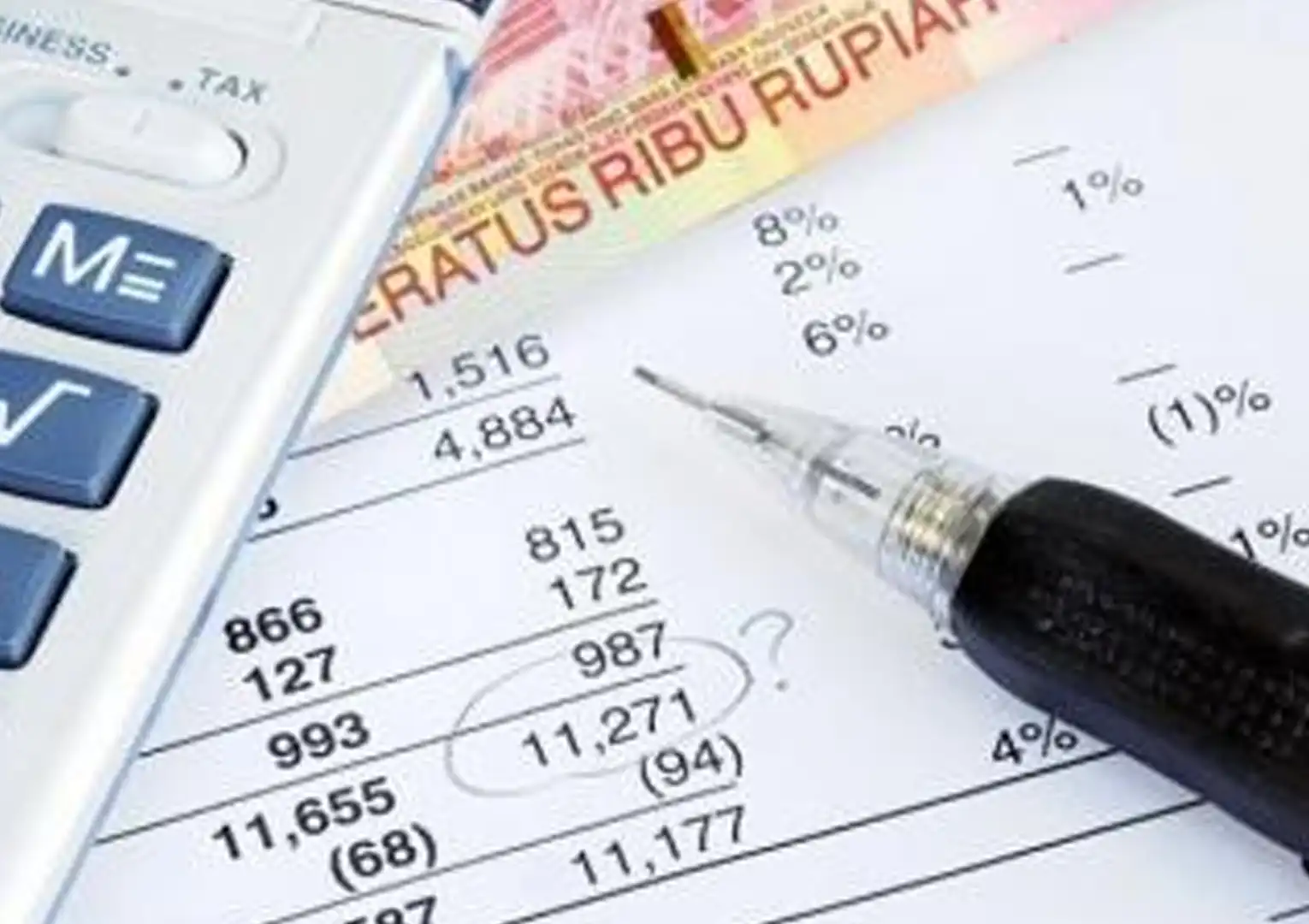
When the government raises tax rates, consumers are the first to feel the impact. This is because they bear the additional cost for every good and service they consume. Here are some of the most common effects experienced by consumers.
1. Bearing Higher Prices for Goods and Services
In the case of a VAT increase, consumers inevitably have to bear higher prices. Even though the rate only rises by 1%, the impact can be significant in the context of frequent daily transactions.
This makes people more selective when spending their money. As a result, non-essential products may start to be avoided.
2. Weakening Consumer Purchasing Power
When prices rise but incomes remain the same, consumer purchasing power tends to decline. According to Charles Steindel in a publication from the Federal Reserve Bank of New York, consumer spending changes when taxes affect their net income, as the magnitude of the tax change directly influences their spending behavior.
In such situations, it is natural for consumers to cut back on spending for non-essential or non-urgent items. This effect can persist in the short term or long term, depending on the overall economic conditions.
3. Creating Changes in Consumption Patterns
As prices rise, consumers tend to switch to substitute or cheaper alternatives. For example, they may choose local products over imported ones or reduce the frequency of dining out.
This change is an adjustment to the economic pressure they feel directly. For business owners, these shifts in consumption patterns can also serve as signals to adapt.
4. Making Consumers More Price-Sensitive
Tax increases make consumers more sensitive to even the smallest price changes. They begin to compare prices between products or services more actively.
Discounts, cashback, or free shipping will become important factors in purchasing decisions. This means business owners need to be more strategic in setting prices to remain competitive.
5. Widening the Economic Gap
Low-income consumers are more affected compared to middle- and high-income groups. For them, even a small price increase can reduce spending on essential needs, while higher-income consumers can still maintain their lifestyle.
So, what about the middle class? Yes, they often stand in a “push-pull zone.” In other words, middle-class households are often in a delicate position—their income is sufficient to cover basic needs but not entirely stable for consistently enhancing their lifestyle. This forces them to think twice before spending.
Challenges Faced by Business Owners Due to Tax Increases
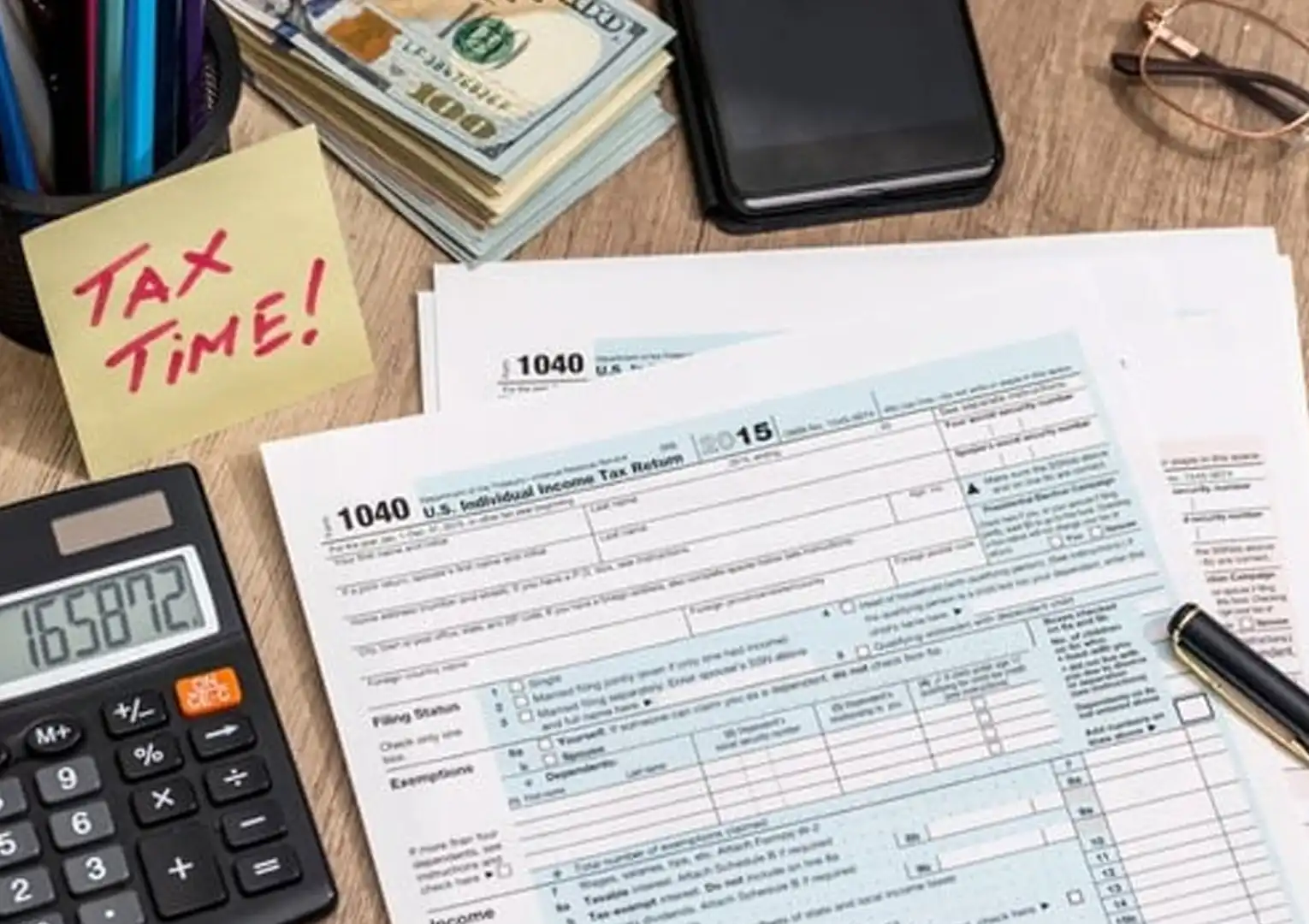
Tax increases also create additional pressure for business owners, especially SMEs. In this situation, entrepreneurs face a dilemma: maintaining competitive prices while coping with unavoidable cost increases. This forces business owners to be more careful in decision-making, from pricing strategies to operational efficiency. Here are some key challenges to consider.
1. Kesulitan Menyesuaikan Harga Jual
When VAT rises, cost burdens inevitably increase, both for raw materials and supporting services. However, raising selling prices is not easy, as consumer purchasing power is also under pressure.
If prices are raised too aggressively, the risk of losing customers increases. On the other hand, keeping prices unchanged can reduce profit margins.
2. Shrinking Profit Margins
Tax increases can erode profit margins, especially for businesses with tight cost structures. Entrepreneurs have to pay more for goods and services subject to VAT, while revenue may not necessarily increase.
Without adjustments in efficiency or proper pricing strategies, net profits can drop significantly. This can pose a major challenge in maintaining business sustainability.
3. Increased Operational Costs
Taxes affect not only the final products but also every part of the supply chain, including logistics, rent, production equipment, and even professional services.
SMEs that have not optimized their financial systems often struggle to accurately track and map these tax burdens. As a result, expenses can swell unnoticed, and cash flow may be disrupted.
4. Increased Administrative and Compliance Burden
Tax increases are usually accompanied by stricter government oversight. This requires business owners to be more disciplined administratively, including accurately recording transactions and filing taxes on time.
For SMEs that are not accustomed to this, the process can feel burdensome. Even small mistakes carry the risk of penalties or fines.
5. Decreased Demand
When consumers start cutting back on spending due to rising prices, the impact can be felt immediately in sales revenue. Secondary or tertiary products are usually the first to be affected.
To address this, business owners need to adjust their strategies, whether through product innovation, promotions, or operational efficiency.
Tax increases may not be good news for business owners, but that doesn’t mean a business should stop growing. In fact, during such pressures, MSMEs are expected to become more adaptive—reassessing cost structures, adjusting prices gradually, and seeking alternative suppliers or more affordable local raw materials.
In addition, it’s important for business owners to maintain organized financial records to monitor cash flow and tax obligations more accurately. With proper management, MSMEs can not only survive but also continue to grow even in a challenging economic environment.
Take advantage of the Labamu app to manage your business more efficiently and systematically. In a single app, you can record transaction details, get real-time financial reports, and monitor remaining stock. Download the app now from Google Play or the App Store! and stay resilient in the face of economic uncertainty!