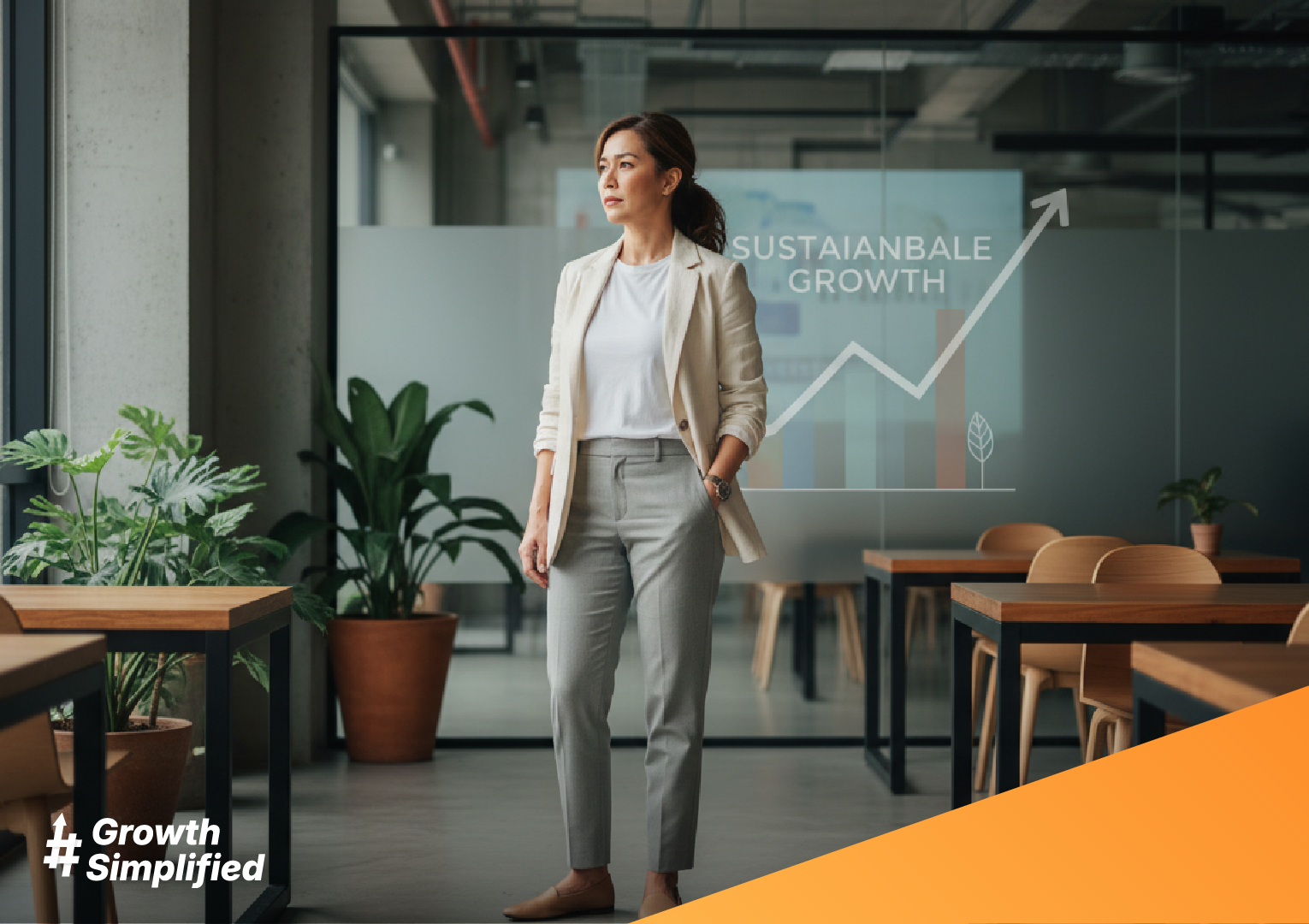
In the modern business world, profit is no longer the sole measure of success. More and more companies are recognizing the importance of considering environmental, economic, and social factors in every business decision, while simultaneously monitoring the impact of their operations to prevent short-term gains from becoming future burdens. This approach is known as sustainable business, a strategy for creating a positive impact on an ongoing basis.
What is Sustainable Business?
Quoting IBM, sustainable business refers to a company’s strategy and efforts to reduce negative environmental and social impacts arising from business operational activities—and is realized through more responsible and measured business decisions.
Meanwhile, Regreener Earth defines sustainable business as an effort to create long-term value without depleting the natural, social, and economic resources that support it. This approach emphasizes a balance between the needs of present and future generations and focuses on long-term positive impact—not just short-term profits.
3 Pillars of Sustainable Business

To understand how sustainable business practices actually work, there are three main dimensions that form its foundation—often referred to as the concepts of people, planet, and profit.
- Social responsibility (people). Starting with treating employees fairly, implementing an ethical supply chain, and making a real contribution to the community.
- Environmental (planetary) responsibility. Focuses on how businesses minimize their impact on the environment, such as reducing carbon emissions, conserving energy, and designing products that can be reused or recycled.
- Economic responsibility (profit). Ensuring the business remains financially sound without compromising ethics, through good governance, transparency, and a long-term orientation aligned with the benefit of society.
Benefits of Running a Sustainable Business
Companies that integrate sustainable practices into their operations not only have a positive environmental and social impact, but also open up a variety of long-term business opportunities such as the following.
1. Increase Competitive Advantage in the Market
Today, more and more consumers are concerned about environmental issues when choosing brands. Businesses known for their social and ecological responsibility tend to be more trusted, build customer loyalty more easily, and have a positive image compared to competitors.
2. Become an attraction for investors
Modern investors are increasingly considering sustainability factors before investing. Companies committed to sustainability are considered more stable, visionary, and have lower long-term risk.
3. Better Prepared to Face Government Regulations
Regulations regarding the environment, carbon emissions, and corporate social responsibility are constantly evolving. By implementing sustainable practices early, businesses can more easily meet legal standards and avoid potential future penalties.
4. Attracting and Retaining Quality Talent
Many professionals are now seeking jobs that have a positive impact. Sustainable companies are often more attractive to employees who want to work with purpose, not just for a paycheck.
5. Encourage Long-Term Growth
Energy efficiency, better resource management, and waste reduction can reduce operating costs. While requiring an initial investment, sustainable practices often yield greater long-term benefits.
Challenges of Running a Sustainable Business
While it offers enticing opportunities, transitioning to sustainable business practices is not an easy process. Many companies face the following challenges.
1. Initial costs and investment are not small
Transforming to a sustainable business often requires significant capital, from environmentally friendly technologies to supply chain changes. Therefore, you must be able to determine which initiatives will have the greatest impact to ensure that your investment truly delivers tangible benefits.
2. Determine the Most Relevant Impact Priorities
Not all aspects of sustainability can be implemented simultaneously. Many companies struggle to determine their primary focus—whether environmental, social, or corporate governance—first.
3. Implement Transformation Strategies Consistently
Major changes require solid leadership and the involvement of all employees. Without clear communication, adequate training, and a supportive evaluation system, sustainability efforts often remain conceptual without meaningful execution.
4. Educating and Adapting to Consumer Preferences
Demand for environmentally friendly products is indeed increasing, but not all consumers are willing to pay a premium. The challenge is to create sustainable products that remain price-competitive while honestly communicating their value without falling prey to greenwashing practices.
5. Maintaining Long-Term Focus Amidst Business Pressure
Market fluctuations, regulatory changes, and short-term profit targets often make it difficult for companies to consistently adhere to a sustainability vision. A strategy is needed that balances current profits with long-term positive impacts.
As a long-term concept, sustainable business is not just a trend, but rather a new way for companies to build growth that is more responsible for the environment, society, and economic sustainability. Although challenging, this approach opens up significant opportunities for businesses to remain relevant, trusted, and competitive in the future. However, for this strategy to be effective, decision-making must be based on accurate and measurable data. This is where Labamu’s Report Analysis feature comes in, helping you monitor your business’s overall performance through neat, real-time, and easily analyzed reports. Only with the right insights can every business step be more strategic, efficient, and sustainable.