Price is a marketing component that can generate revenue for a company. Therefore, you must understand the right pricing strategy to maximize market demand.
Because this is so crucial, you should read this article until the end to get useful insights!
Apa Itu Strategi Penetapan Harga?
Pricing strategy is a model or method used to determine the best price for a product or service provided.
The goal is of course to maximize profits, while taking into account market conditions and consumer demand.
That is why in pricing strategy, change and adjustment are two inseparable things to respond to what happens in the market.
Factors that Influence It
Determining the ideal price is indeed complex. Here are several elements to consider to ensure your chosen pricing strategy is effective.
- Cost structure. When determining prices, you need to know the costs that go into producing a product, such as raw materials, building rent, wages, and so on.
- Types of products. Mass-produced products or services are generally sold at industry average prices. However, differentiated products are usually priced at a premium.
- Target pasar. Knowing clearly who your target market is can help you determine the right selling price to attract more customers and make a profit.
- Customer request. Every business needs to consider how much its target market is willing to pay for its products or services. This way, you won’t lose customers or profits.
- Competition. Lingkungan pasar yang kompetitif membuatmu harus pandai-pandai memahami tren dan perilaku target konsumen sehingga harga jualmu dapat terjangkau oleh mereka.
- Keuntungan yang diharapkan. Setting the right price is crucial for businesses to meet customer expectations without sacrificing profits. Therefore, companies need to consider profit margins to remain competitive.
- Economic conditions. Global, political, and social issues can create economic turmoil that impacts market conditions. Therefore, be proactive in anticipating economic factors that can influence supply and demand.
25 Most Popular Pricing Strategies
There is no perfect way to set prices, but you need a smart strategy that takes into account the various factors mentioned.
The following is a collection of product and service pricing strategies that you can choose according to your respective business conditions.
1. Value-Based Pricing

This pricing strategy is carried out by determining prices according to the value offered to customers.
Companies that use this model increase profits by focusing on their unique selling proposition to differentiate themselves in a competitive market.
2. Competition-Based Pricing
Companies using this strategy use competitors’ selling prices as a benchmark when setting prices. These can be the same, slightly higher, or even lower. The goal, however, is to increase the chances of gaining an edge over competitors.
3. Usage-Based Pricing
This is a pricing strategy where customers only pay for the services and products they use. This strategy is widely used by companies selling digital products, such as Labamu, which charges based on usage levels, rather than a flat rate.
4. Subscription-Based Pricing
Subscription-based pricing allows customers to choose a package price that best suits their needs. This strategy provides businesses with a recurring revenue stream, making it easier to predict future trends. Common examples include mobile phone credit, data packages, and YouTube Premium.
5. Success-Based Pricing
Companies using this strategy “sell” their success to set prices. They don’t charge upfront fees but instead base their payments on performance metrics, such as sales volume or customer satisfaction scores. This model is widely used by software companies.
6. Hourly-Based Pricing
This method is most often used in service-based industries, where pricing is calculated based on the time spent on a specific task or service. Examples include lawyers and private tutors.
7. Project-Based Pricing
This strategy is again widely used in the service industry. Pricing is calculated based on the scope, complexity, and resources required to complete each project, taking into account other factors, such as expertise and time commitment.
8. Loss Leader Pricing
A loss leader pricing strategy involves setting lower prices for certain products compared to the average market price. Although initial profits are slim, this strategy can encourage customers to purchase other products from the same store.
9. Skimming Pricing
Skimming pricing involves setting a high selling price initially and then gradually lowering it over time. This strategy helps companies maximize profits early in the product life cycle when demand is still high.
10. Penetration Pricing

In contrast, penetration pricing sets a low initial price for a new product or service. The goal is to quickly attract customers and gain market share. Afterward, the company will begin raising the price to maximize profits from the growing demand.
11. Tiered Pricing
Tiered pricing uses a different pricing structure for each tier of quantity or access. This strategy aims to encourage customers to purchase a higher-priced product tier because it offers more features and benefits than lower-priced options.
12. Dynamic Pricing
This pricing strategy is called dynamic because it adjusts the prices of its products and services according to changing market conditions. With this strategy, businesses can maximize revenue and maintain customer satisfaction by adapting the prices charged to customers to current market conditions.
13. Freemium Pricing
Freemium pricing offers customers free access to the basic version of a product or service. However, they must pay an additional fee to unlock premium features and services.
14. Premium Pricing
This pricing strategy is not afraid to set prices higher than market prices because customers are willing to pay more to get what they consider to be high quality and high value.
15. Bundle Pricing
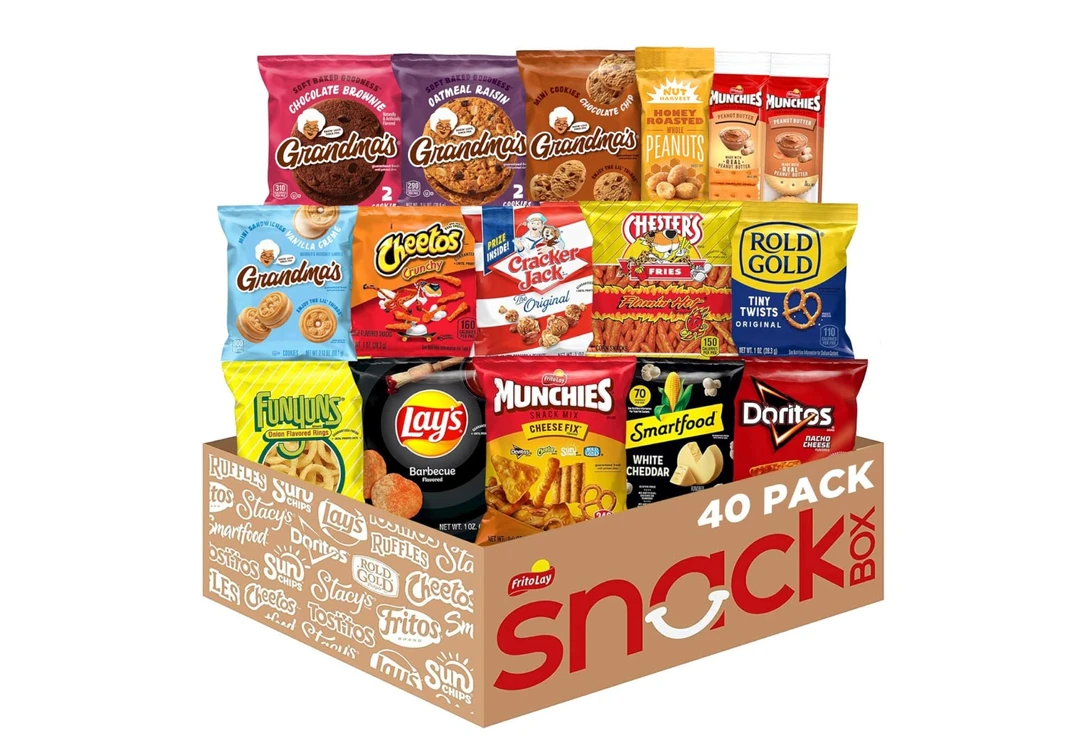
Product bundling is an effective way to increase customer loyalty and boost sales by providing added value and convenience for buyers.
This strategy is most often used in the retail industry to reduce production and distribution costs, making it more cost-effective for the business.
16. Flexible Pricing
This pricing strategy allows companies to respond to changing market conditions, customer demand, and competitor pricing. They will periodically adjust their prices to remain competitive in the market.
17. Variable Pricing
Variable pricing allows businesses to change prices based on specific market or customer situations. The primary goal is to maximize revenue by creating appropriate prices for each situation. This typically involves offering discounts for volume purchases or specific seasons.
18. Limit Pricing
Limit pricing is a pricing model that sets prices lower than the optimal price for other companies. It is often used by companies that have achieved a dominant market position. Its primary goal is to limit and hinder the entry of new players.
19. Geographic Pricing
This strategy is a way of setting prices for goods and services based on customer location, taking into account varying levels of competition and costs in each geographic region. This model is widely used by multinational companies operating in multiple countries.
20. Psychological Pricing

This is a technique used to influence customer perceptions of the value of a product or service to make it appear cheaper. For example, by setting the price at Rp 99,999 instead of a round figure like Rp 100,000.
Even though it seems trivial, this method is quite effective in “tricking” potential customers into buying the product.
21. Captive Pricing
This strategy involves setting different prices for the core product and its accessories. Typically, companies will set a lower selling price for the core product to entice customers to purchase it. Customers who have already fallen in love with the product will then be tempted to purchase supporting accessories, even if they are relatively more expensive.
22. Industry-Specific Pricing
Each industry has a different pricing strategy due to various factors. By adapting these strategies, companies can remain competitive in their respective industries.
23. High-Low Pricing
Metode ini melibatkan penetapan harga jual yang tinggi, kemudian memberikan diskon besar-besaran pada waktu-waktu tertentu. Tujuannya memang untuk mendorong pelanggan melakukan pembelian secara impulsif saat harga barang sedang diskon. Meski sebenarnya ini menghasilkan penjualan dan keuntungan yang lebih tinggi.
24. Cost-Plus Pricing
This pricing takes into account all cost elements, including profit margins, before determining the final price. This strategy aims to ensure that all costs are covered by sales revenue at a reasonable profit level.
25. Basing-Point Pricing

Finally, there’s basing-point pricing, which adds shipping costs based on the customer’s location. Generally, the further away the location, the higher the shipping costs.
Those are 25 types of pricing strategies you can adopt for your business. In addition to the strategies mentioned above, you can also adopt Labamu’s best features to optimize your administration and transaction records in real time.
Come on, download the application immediately via Google Play or the App Store!