You’ve probably often heard the term distributor in business, especially when discussing the supply chain between producers and consumers. However, many people still do not fully understand what a distributor actually is and how the system works. In fact, distributors play a crucial role in ensuring that products reach buyers efficiently and on time.
In practice, distributors do more than simply distribute goods; they serve as key intermediaries that help maintain market stability. Without distributors, producers would struggle to reach consumers on a large scale.
Definition of a Distributor
A distributor is a party responsible for distributing products from manufacturers to retailers or directly to end consumers. They typically purchase products in large quantities from producers and resell them at adjusted prices. Within the supply chain, distributors act as a bridge between production and consumption.
In addition, distributors help producers expand their market reach. With extensive distribution networks, products can reach various regions without producers having to engage directly in the field. Therefore, a strong relationship between producers and distributors is essential for business sustainability.
Product Distribution Process

After understanding the definition of a distributor, it is also important to understand how the distribution process works. This is because before a product reaches the hands of consumers, there is a lengthy process carried out by distributors.
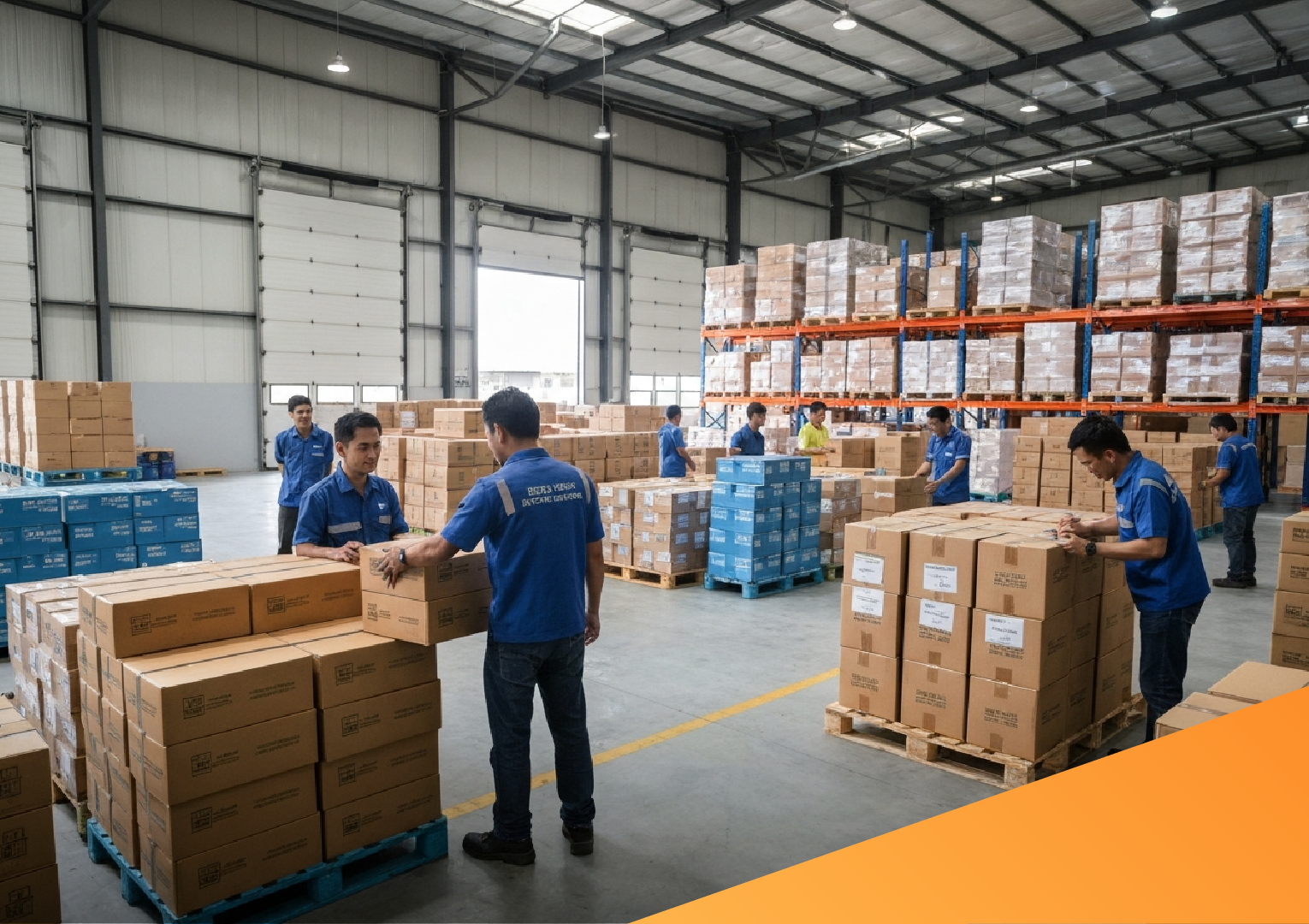
This process begins with purchasing goods from manufacturers, followed by storage in warehouses, and continues through delivery to retailers or customers. Each step must be managed with an organized system to ensure inventory levels and deliveries remain well controlled.
The distribution process also involves transaction recording and quality control. Distributors must ensure that products remain in good condition throughout storage and delivery. In the modern era, this process is increasingly supported by digital systems that make logistics monitoring and shipment tracking more efficient.
Types of Distributors
Although all distributors deliver goods, there are several types that not everyone may be aware of, including:
1. Consumer Goods Distributor
This type distributes various everyday necessities, such as food, beverages, and household supplies. They maintain extensive distribution networks to ensure products are always available in retail outlets and modern stores. Typically, these distributors collaborate with large manufacturers that focus on high sales volumes and fast product turnover.
In addition to ensuring product availability, consumer goods distributors also maintain product quality throughout storage and delivery. They manage inventory carefully to prevent both overstocking and shortages.
2. Industrial Distributor
Industrial distributors focus on supplying raw materials, spare parts, or components needed by manufacturing companies. They do not deal directly with end consumers but provide operational necessities to other businesses on a large scale. As a result, the relationship between industrial distributors and their clients is usually based on long-term cooperation with carefully planned contracts.
In addition to selling products, industrial distributors often provide added services such as technical consulting, equipment usage training, and after-sales support. With strong logistics and warehousing capabilities, they ensure supplies are always available so that their clients’ production processes run without interruption.
3. Exclusive Distributor
An exclusive distributor is a party that holds the sole right to market a brand’s products within a specific territory. This means they are the only ones authorized to sell the products officially in the agreed-upon area. This system benefits producers because it allows better control over product quality, pricing, and brand image.
The presence of an exclusive distributor also assures consumers that they are purchasing genuine products with clear after-sales support. This type of distribution is typically found in the automotive, electronics, and premium product sectors, where high standards must be maintained.
Functions of Distributors in Business

You may know that a distributor’s main role is to deliver products from producers to consumers. However, their functions go beyond that. Here are several other equally important roles:
1. Bridging Producers and Consumers
A distributor’s primary function is to act as a link between producers and consumers through a systematic product distribution process. They ensure that products from manufacturers are accessible across various regions, whether through retail stores, wholesalers, or direct sales. The presence of distributors allows producers to focus on production without the hassle of managing marketing and delivery across all areas.
2. Maintaining Product Availability and Price Stability
Distributors play a crucial role in maintaining the balance between supply and demand in the market. They manage product distribution to ensure even coverage, preventing oversupply in one area or shortages in another. Through careful logistical planning, product supply can be dynamically adjusted to meet market needs.
3. Supporting Promotion and Sales
A distributor’s role today goes beyond merely delivering goods; it also extends to marketing and promotion. They often collaborate with producers to plan promotional strategies, offer discounts, or launch new product campaigns. This support helps boost sales while strengthening the brand’s position in the market.
Distributors play a vital role in ensuring the smooth flow of goods from producers to consumers. Without a well-organized distribution system, the supply chain would be disrupted, making it difficult for products to reach broader markets.
Therefore, understanding the definition of a distributor and how they operate can help business owners design more efficient sales and logistics strategies. For entrepreneurs looking to grow a manufacturing business, establishing a partnership with the right distributor is a crucial step in expanding market reach.
You can start by implementing a modern, data-driven distribution system to ensure smooth operational processes. Labamu Manufacturing could be the right option to consider for this purpose.
This platform offers an easy way to manage sales, financing, inventory, and production planning. Give it a try today!