
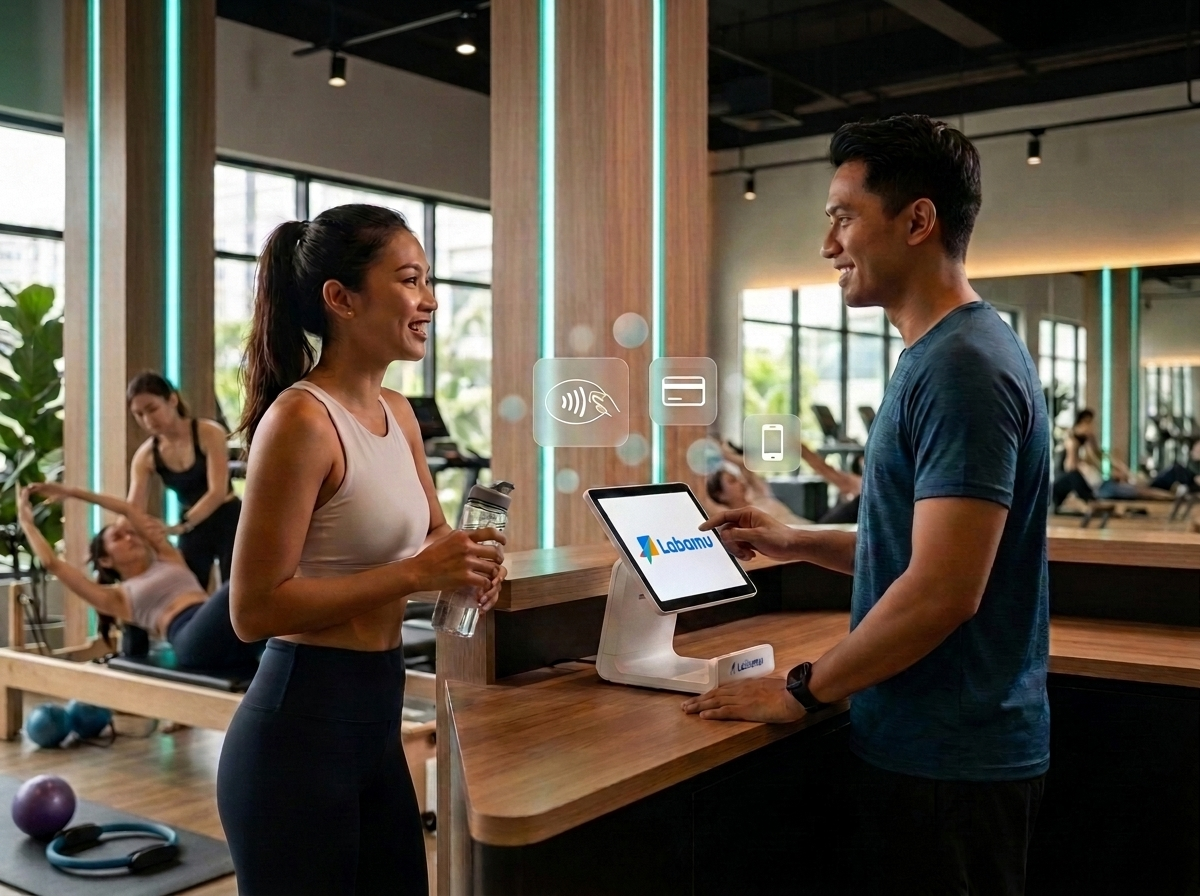
The trend of a healthy lifestyle continues to increase nowadays. Many people choose Pilates to maintain body fitness. The pilates studio business is now a very sweet opportunity.
However, day-to-day operations often confuse studio owners. You must note down the class schedule every day. You also have to track customer membership package payments.
Wrong notes can make customers turn to competitors. You need a digital solution that is practical and efficient. A smart POS system will help with all these matters.

- POS for pilates studio automates class schedules and prevents schedule conflicts instantly.
- The initial steps of a business require market segmentation, licensing, and high-quality tools.
- Labamu POS provides the most complete digital cashier features for modern fitness businesses.
Before going any further, learn how to easily manage a business. You can read the digital cashier feature guide at Labamu POS.
What is POS for Studio Pilates?
POS system is an abbreviation for Point of Sale for cashier transactions. This application functions to record sales of retail products and service packages. For pilates businesses, the POS system acts as the main operational assistant.
POS pilates application helps organize daily class schedules. The system also records the presence of instructors and members. You can monitor the remaining customer meeting quota easily.
This cashier system helps record all types of payments from customers. You can process cash payments, bank transfers, and even digital wallets. Apart from that, POS also tracks the inventory of the goods you sell.
Examples include special socks, drinking bottles, or studio t-shirts. Automatic inventory recording prevents stock from running out without the owner realizing it. All transaction data will be stored safely in the cloud.
You can access financial reports at any time in real-time. This minimizes tedious manual recording errors. Your business will run more transparently and efficiently.
Comparison of Manual Methods vs POS Applications
Here is a comparison table to see the clear differences. This table helps you understand the efficiency of digital systems.
| Operational Features | Manual Logging | Labamu POS application |
|---|---|---|
| Transaction Recording | Written by hand, prone to being lost | Automatically saved in the system |
| Schedule Management | Use a physical agenda book | Integrated digital calendar |
| Membership Tracking | You have to check the cards one by one | Automatic notification of remaining sessions |
| Financial statements | It took days | Done in just one click |
Glossary of Promising Pilates Business Opportunities
Let’s dissect some business opportunity terms in this field. Understanding this term is important for developing long-term strategies.
Private Pilates Studio (Self Session) is a personal Service of one instructor for one exclusive client. The advantage of this business is that the hourly rates are very high. The client gets full attention during the exercise.
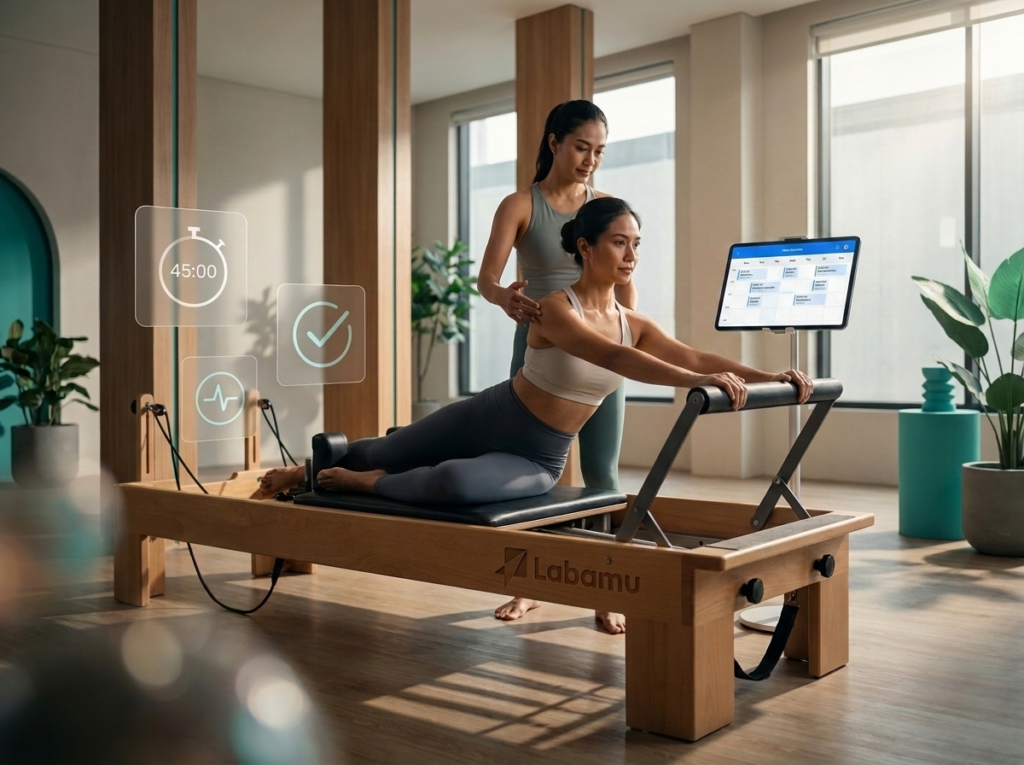
Studio Pilates Group Reformer is a group exercise using a special tool called a Pilates reformer. This business model is very popular among urban urbanites. You can train up to ten people at once per session.
Studio Pilates Mat Class is a Pilates exercise that uses a mat as the main training tool. The operational costs of mattress classes are much cheaper for novice entrepreneurs. You don’t need to buy a reformer which is very expensive.
This model is very suitable for classes with a large participant capacity. You can maximize the use of limited studio space.
Virtual Pilates Classes (Online Classes) are remote fitness exercises using interactive video calling applications. Clients can exercise right from the comfort of their own homes. This opportunity expands market reach outside your city.
Operational costs are very low because it does not require renting a physical place. You only need a stable internet connection and a quality camera.
Corporate Wellness Package (Company Partnership) is a special health collaboration for employees from various companies. Companies pay for a monthly subscription plan for their entire team. This opportunity provides stable passive income for the studio.
Instructor Training Academy (Certification) provides official courses to train prospective new Pilates instructors. This business is a huge source of additional income. You can issue a certificate of expertise that is widely recognized.
Relevant Article: Business Strategy Beginners Must Know!
How to Start a Pilates Studio Business
Starting a pilates studio business requires careful planning and tactical strategy. Here are concrete steps to build your Pilates business:
- Determine Market Segmentation. Focus on specific target customers from the start.
- Choose a Strategic Location. Look for a strategic place with ample parking access.
- Complete the Business License. Ensure that all studio operational licenses are handled safely.
- Quality Equipment Investment. Buy high-quality, durable pilates equipment.
- Hire Professional Instructors. Hire officially certified trainers for customer satisfaction.
- Use Labamu POS. Manage class schedules automatically from day one.
Concrete Steps to Starting a Business with Labamu
Starting a pilates business is now easier with the help of technology. The Labamu application is here as your best digital cashier solution. You can download this application directly via Google Playstore.
First, download the Labamu application for free via your smartphone. Create a new business account by filling in the name of your pilates studio. Enter official bank account data to make it easier to disburse funds.
Use the non-cash payment feature to provide convenience for members. Second, design a member package offering program that is attractive to customers. For example, a ten session training package with a big discount.
Enter the promo details into the Labamu digital cashier system. The system will automatically calculate discounts when cashier transactions are fast. Third, take advantage of the monthly profit and loss report feature regularly.
Analyze all your Pilates studio expenditure data carefully. Cut operational costs that do not bring profit to the studio. That way, your business will run much healthier and more efficiently.

Pilates Studio Business and Operations FAQ
Here are complete answers to the most frequently searched questions.
- How do you become a professional Pilates instructor?
You must take an official certification course first. Choose a training institution that is recognized nationally and internationally. This certification usually takes around 1 to 6 months. Certification costs range between IDR 15,000,000 – IDR 45,000,000 per program package.
- How much capital should a beginner prepare for a Pilates business?
Initial capital really depends on the studio concept you create. For a simple home studio, prepare fairly affordable capital. The initial capital range is IDR 50,000,000 – IDR 120,000,000 only. This capital is used to purchase several units of quality mattress equipment.
- How much does it cost to open a large-scale and premium pilates studio?
Premium studios with full reformer tools cost more. You have to rent a strategic shophouse and buy quality imported equipment. Estimated total costs range from IDR 250,000,000 – IDR 750,000,000 overall. This cost includes aesthetic decoration and POS management system.
- What is the current salary for Pilates instructors in Indonesia?
Instructor salaries are usually calculated per hour or on a profit sharing system. Beginner instructors can pocket IDR 150,000 – IDR 300,000 per training session. Meanwhile, senior instructors can earn IDR 400,000 – IDR 800,000 per session. Their monthly income ranges from IDR 8,000,000 – IDR 25,000,000 per month.
- What equipment is required to open a pilates studio for the first time?
You must provide good quality Pilates mats for members. Provide several units of Pilates reformer equipment with safe standards. Additional accessories such as pilates rings and resistance bands are also required. The total initial equipment cost is around IDR 30,000,000 – IDR 100,000,000 rupiah.
- How long does it take to return on business capital?
The payback period really depends on the number of monthly active members. Usually pilates studios can recover their capital in a fairly short time. The average return on investment ranges from 12 to 24 months of operation. Make sure you aggressively carry out digital promotions via daily social media.
Relevant Article: Recommendations for Exercise at Home
The Secret to Future Pilates Studio Success With Labamu POS
The fitness industry is booming along with the health trend. Don’t let manual note-taking limit the great potential of your Pilates studio. Immediately switch to using smart cashier technology from now on.
With neat financial arrangements, your business is sure to grow rapidly. Labamu is ready to be your loyal partner in achieving sustainable financial success. Monitor all your business performance easily from your cellphone screen, wherever you are.