

The world of manufacturing industry now continues to develop very rapidly. Factories need daily production efficiency strategies that are measurable and definite. The first step is to understand engineering science in more depth.
The industrial engineering major answers the crucial challenges of the modern business world. Its main focus lies in the integration of complex operational operating systems. This includes aligning the critical roles of humans, machines, and information flow.
Many aspiring manufacturing professionals are looking for new insights for their career path. They want to master the operational management system more comprehensively. This knowledge has proven to be very crucial for today’s business competition.

- Industrial engineering is the science of optimizing production systems and factory efficiency.
- Industrial engineering courses focus in-depth on supply chains and ergonomics.
- Utilization of Manufacturing Profits must be studied for modern manufacturing production management.
Find out how manufacturing platform technology can realize these production system efficiency standards. Recommendations for Labamu Manufacturing efficiency of factory production systems.
Basic Concepts and Scope of Integrated Science
In general, the definition of industrial engineering is a branch of integrated engineering science. The main focus is optimizing business processes, operational systems and organizational structures. The ultimate goal is to reduce waste of time, materials and costs.
Many prospective students ask, what do you actually study industrial engineering? You will explore industrial engineering concepts in a much more comprehensive way. Starting from the system design stage to very detailed process evaluation.
After completing the study period, an official industrial engineering degree will be waiting for you. This prestigious title is full of great responsibility and expectations. Graduates are required to be able to lead production efficiency measures in modern factories.
The relationship between the disciplines of industrial engineering and management has proven to be very close. Both support each other in designing a very robust manufacturing system. This synergy must achieve the daily operational targets of manufacturing sector companies.
Understanding the supply chain flow is very essential here. You are trained to ensure that material supplies are always available on time. The system optimization process must run in harmony with the company’s business targets.
Exploration of Core Industrial Engineering Courses
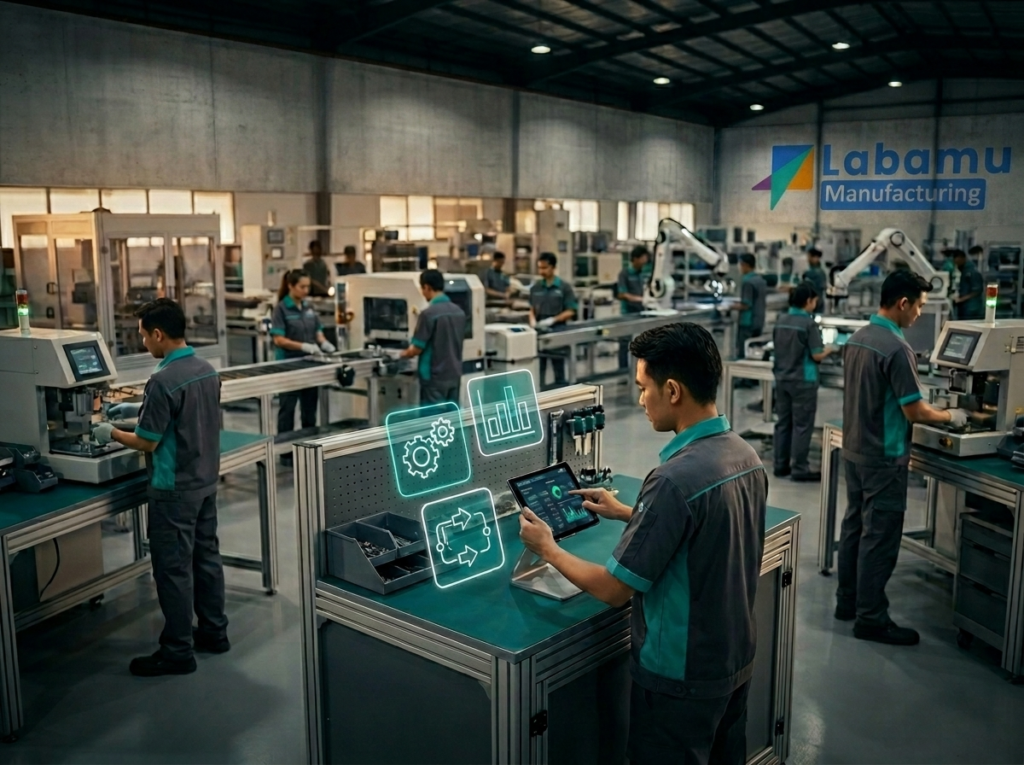
This major’s curriculum is designed to produce accomplished operational planners. Industrial engineering courses combine mechanical and social technical aspects. You not only study machines, but also the psychological conditions of workers.
One of the main focuses is the factory operational management system class. This class teaches strategies for managing daily internal factory resources. The aim is to ensure that the production operational schedule runs smoothly without any obstacles.
Next, you will find courses related to the scientific concept of ergonomics. This science studies safe interactions between humans and their equipment on a daily basis. Work comfort has been proven to be effective in increasing factory floor production efficiency metrics.
There is also an in-depth discussion of the structural design of advanced manufacturing systems. You will simulate the most ideal factory operational space layout. All of these courses aim to form a sharp analytical mindset.
The question often arises about what else is being studied besides that? The answer covers industrial statistics to product quality control. All aspects are engineered to create a defect-free final product.
Comparison of Industrial Engineering vs Conventional Engineering
Many students are confused about the specific differences between engineering disciplines. Especially regarding the differences between industrial engineering and conventional mechanical engineering. The main focus of these two majors is clearly very different.
The branch of mechanical engineering focuses heavily on the design of the mechanical function of tools. Meanwhile, the scientific branch of industrial engineering is much more systems focused. This includes system optimization and daily operational management control of the plant.
Modern era developments require a faster transition in technology adoption. Conventional management approaches are now starting to be proven to be very far behind. Digitalization of operations is the main key to achieving maximum factory production efficiency.
Let’s look at a more direct comparison of factory production methods. The following is a brief table that differentiates the performance of conventional and digital systems:
| Operational Aspects | Conventional Method | Digital Manufacturing Systems |
| Data Logging | Manual with pile of papers | Automatic cloud server based |
| Supply Chain Flow | Often slow and very blurry | Fast, traceable and transparent |
| Performance Analysis | Takes longer processing time | Real-time and accurate database |
| Efficiency Metrics | Production bottlenecks often occur | Measurable and very precise results |
The table emphasizes the importance of adapting technology within the factory space. Old methods will certainly only hinder the pace of industrial engineering targets. The transition to digital systems is the key to successful operational manufacturing systems.
The Central Role of Data Analysis in Industrial Engineering

Data is the most valuable asset in today’s digital industrial era. Students are required to be adept at processing raw data into valuable business insights. This is a core part of the industrial engineering statistics course.
Every operational management decision must be based on accurate numerical facts. For example, in determining the ideal amount of goods produced in a certain month. Analysis errors can cause losses due to accumulation of goods in the warehouse.
The use of a manufacturing platform really helps automate this complex data processing. All transaction records and material movements are stored securely in the cloud. The best graduates are those who are good at reading data movement trends.
Ergonomics Innovation to Improve Employee Performance
Advanced machines will not be optimal without the support of human resources. Factory employees need a safe and comfortable work environment. This is where ergonomic principles play a crucial role in production efficiency.
The assembly table layout design must take into account the worker’s body posture. Lighting of factory facilities must be regulated so that workers’ eyes do not get tired. Good air circulation has been proven to reduce the number of daily work accidents.
Ideal workspace conditions enable employees to achieve daily targets. The stress level of workers is reduced so that the focus on product quality is maintained. This is a concrete manifestation of the application of classroom ergonomics theory.
Essential Skills for Aspiring Manufacturing Professionals
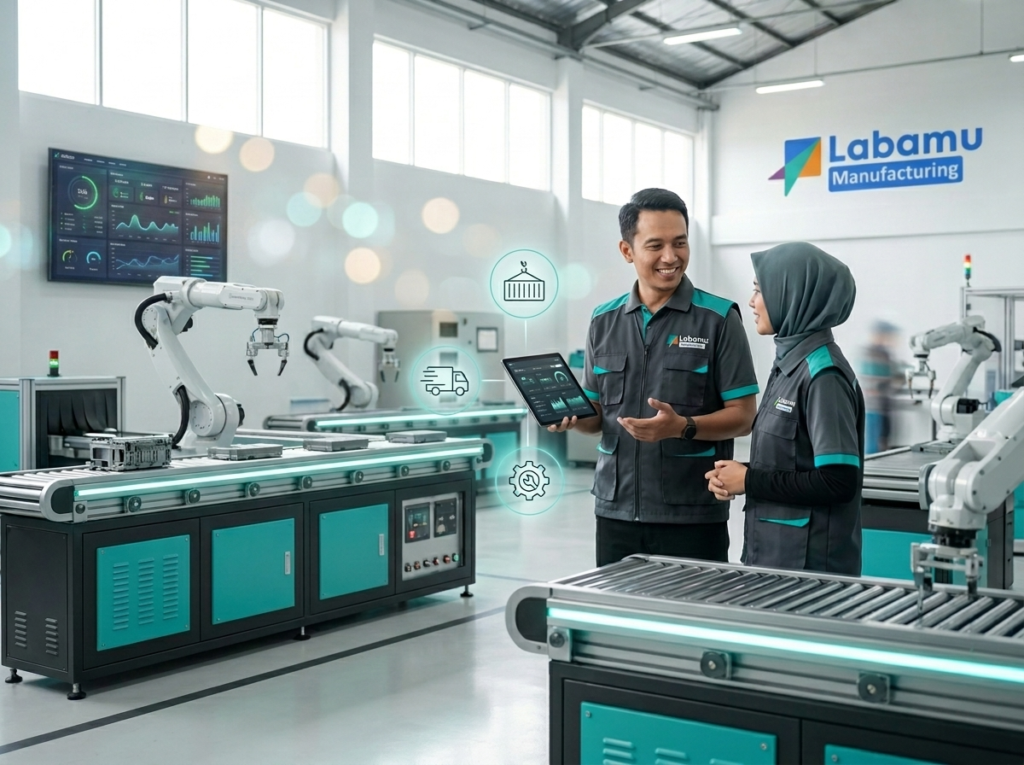
Apart from academic theory, there are basic skills that must be mastered. Understanding of technical knowledge must be balanced with flexible communication skills. Collaboration between various divisions is the main essence of industrial engineering.
An engineer must be able to solve complex problems very quickly. Data analysis of statistical figures is a mandatory daily operational routine. This is why understanding system optimization is a very strong foundation.
Understanding business logic is also very important for an industrial engineer. You must understand how efficiency directly impacts company profits. Operational management bridges the technical functional aspects of machines and financial metrics.
The ability to adapt to manufacturing software innovations is an absolute plus. Modern factories are no longer run purely on manual human labor. Digitalization technology is slowly taking over the factory operational data processing sector.
Therefore, the introduction of advanced system platforms is inevitable. Systematic innovation like this ensures very smooth operational continuity. Engineering students must be fluent in using a variety of advanced analytical tools.
Tactical Implementation of Labamu in Engineering Education
The application of theoretical knowledge clearly requires real operational tools. Modern manufacturing systems always require highly sophisticated integrated digital platforms. This is where Labamu Manufacturing comes ready to support your first strategic steps.
Labamu application platform is specially designed for manufacturing sector industrial entities. This system provides a variety of solutions and applications that are proven to be very efficient and sophisticated. The main focus is to fully support the needs of daily production and distribution rates.
For active students, it is important to get to know the Labamu system from the start. This platform trains the logic of real factory production management efficiency. This integrated system is ideal for application in a modern educational environment.
Harmonious integration between classroom theory and industrial practice is crucial. Lecture material regarding operational management is very relevant to the Labamu system. The Labamu application effectively helps visualize supply chain flows with precision.
As an aspiring professional leader, get used to monitoring metrics directly. Use this smart platform system to track warehouse inventory variety. This clearly trains your system optimization instincts before actually getting to work.

Bright Prospects for Future Factory Innovation
The transformation of the global industrial world really needs highly innovative talents. Mastery of special manufacturing application technology is the most crucial added value. The factory of the future continues to actively seek system optimization design experts.
In-depth knowledge of ergonomics standards is also highly sought after by companies. Technical expertise in the field of industrial engineering guarantees strategic positioning options. Understanding the Labamu Manufacturing platform system will differentiate you from the many candidates.
The world of modern industrial competition is always hungry for the latest efficiency solutions. The engineering knowledge you learn will always be relevant. Global supply chain challenges require the sharp analytical thinking of engineering graduates.
Prepare yourself as best as possible while still on campus. Understand the fundamental theory, master the application, and create a reliable manufacturing system. Your small steps in seeking knowledge today will determine tomorrow’s innovation.
Industrial engineering career prospects range from manager to analyst.