Expired is the final consumption date for a product. This term refers to the consumer’s health safety directly. You must understand this for long-term business sustainability.
Many shop owners often ignore stock management. In fact, expired products can be a big financial loss. Before we get into operational details, it’s important to have the right digital tools. You can start considering using a stock management application to make it easier to monitor goods automatically every day.
Essence of Expired Stock Management
- Consumer Safety: Expiry date is an indicator of safety, not just taste quality.
- Operational Efficiency: Using the FIFO method prevents goods from piling up until they are damaged.
- Digital Technology: Automatic notifications help you monitor the date before it’s too late.
Understanding what expired is the first step in securing your business
Technically, expiration is the date that indicates the limit for product use. Once this date has passed, the product is deemed unfit for consumption. This applies to food, drinks and medicines.
Expired means the product is chemically or biologically at risk. Bacteria may start to grow in the packaging. You should never compromise on the safety of your loyal customers.
In Indonesian, this term is often referred to as expiration date. Another synonym is the validity period or product usage limit. Understanding this definition in depth helps you create shop SOPs.
Typically, manufacturers determine this date through rigorous laboratory testing. They ensure the product remains stable under normal storage conditions. If the storage temperature is wrong, the expiration date can come sooner.
Basic Differences Between Expired Date and Best Before
Do you often see the term Best Before on food packaging? Many people think this term is the same as expiration date. In fact, both have very different functions and meanings.
Best Before talks about the quality, texture and taste of the product. The product is still safe to eat after that date. However, the aroma may not be as fresh as when it was first produced.
Meanwhile, the expiration date is a hard line for security. If this is the case, the product must be immediately removed from the shelves. Never sell expired products just to chase profits.
Understanding these differences helps you sort your stock. You can give discounts for products close to Best Before. However, you must throw away products that have reached their expiration date.
The evolution of modern POS systems is now able to differentiate between the two. You can enter both data into the management system. This provides flexibility in managing your sales promotion strategy.
The Fatal Risk of Selling Products that Have Expired Their Deadline
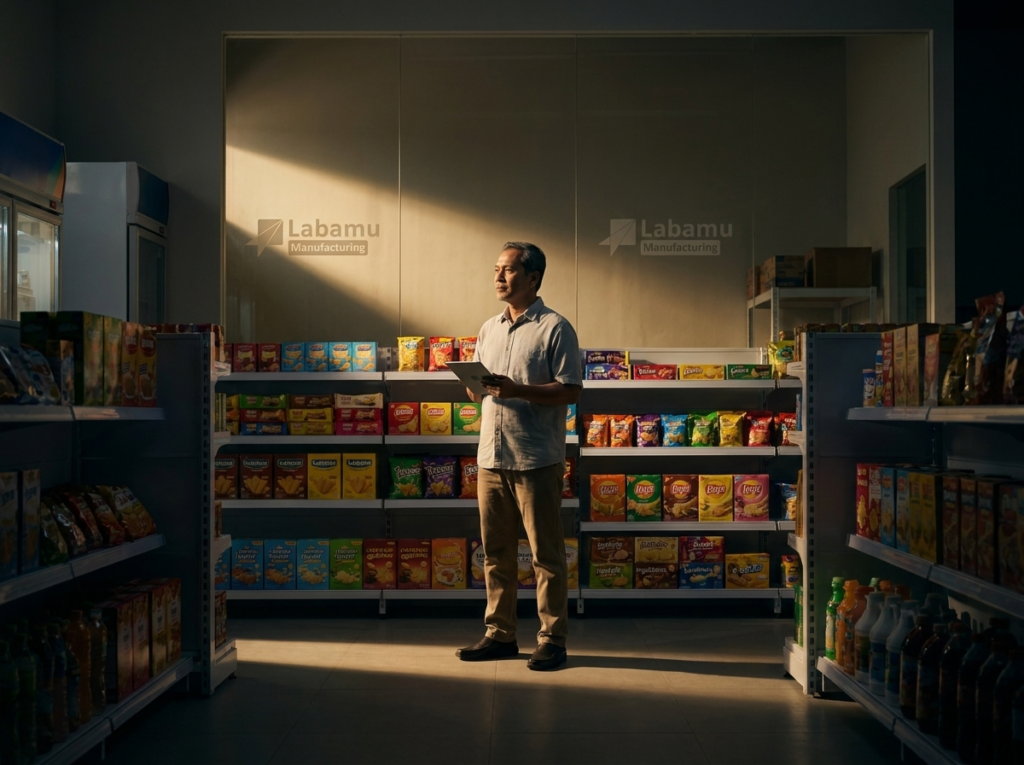
Selling expired goods carries very serious legal risks. You could be subject to administrative sanctions up to the closure of your business license. Apart from that, criminal charges from consumers are also very likely to occur.
Another risk is the destruction of the reputation of the shop you built. Disappointed consumers will spread negative news quickly. In the digital era, one complaint can destroy the trust of thousands of people.
Financially, dead stock is a real loss (loss). Your capital money is stuck in goods that cannot be sold. If not managed, your business profit margin will continue to be eroded.
Poor expiration management also leads to store sanitation problems. Rotten goods attract pests such as rats and cockroaches. This certainly disturbs the comfort of customers who are shopping.
Tactical Steps to Manage Stock using the FIFO Method and Automatic System
How to check product expiration effectively and quickly? The most basic step is to apply the FIFO (First In First Out) method. The goods that come first must be taken out first too.
Make sure your staff is trained to arrange items on the shelves. Products with the closest date are placed in the front row. This makes it easier for customers to pick up items that need to run out soon.
Carry out regular physical audits, at least once a week. Check the condition of the packaging and the date written on each product. If the label has faded, immediately provide new identification.
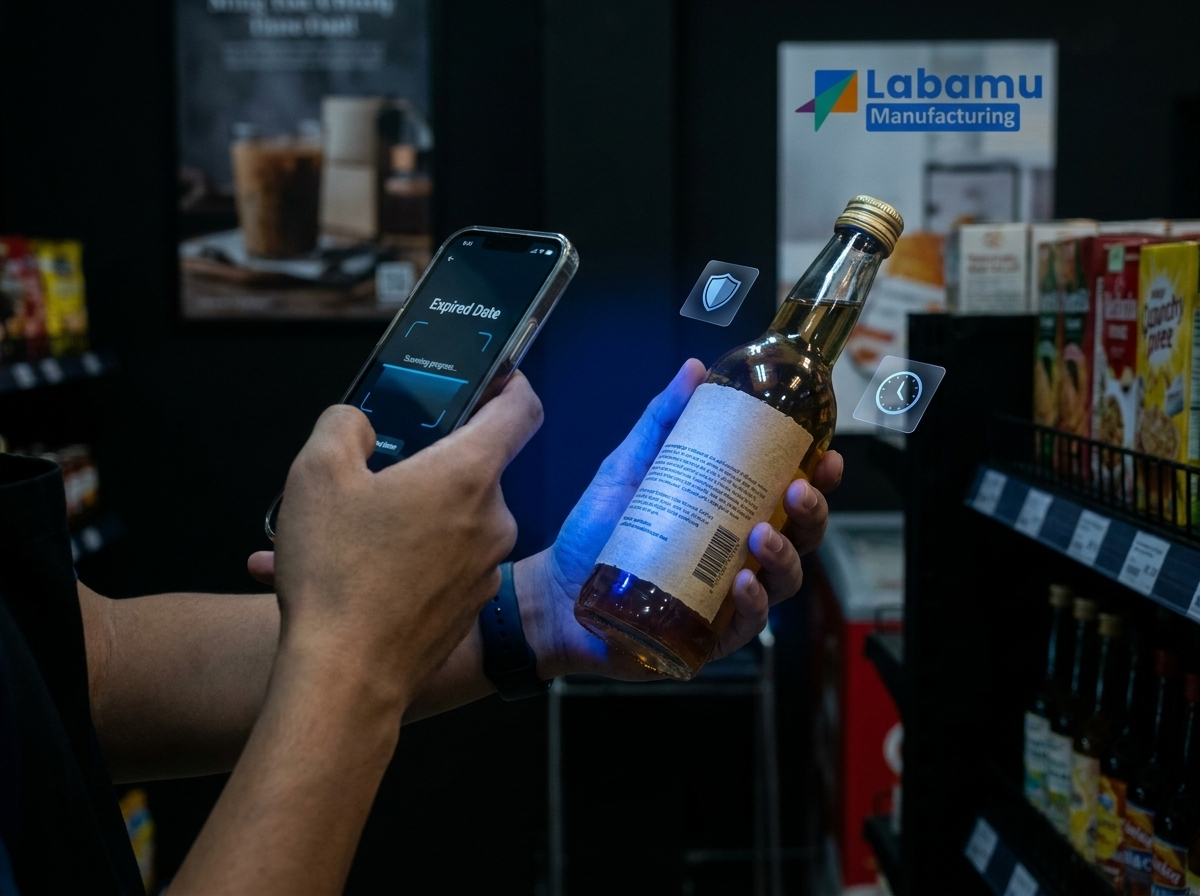
The smartest way is to use automatic product expiration notifications. You no longer need to check thousands of items manually. The system will provide a warning if stock is approaching expiration.
For grocery stores, pay attention to the storage of flour-based products. This product is very prone to infestation if stored for too long. Likewise with expired milk-based restaurant drinks.
Here are concrete steps that you can immediately put into practice:
- Enter the expiration date every time an item comes in.
- Use a color code on the shelf label according to the expiration month.
- Separate a special area for “near-expired” items.
- Make a return to the supplier well before the cut-off date.
More about the FIFO Method.
Building a Healthy Business Ecosystem Through Product Quality Control
Running a retail or F&B business is full of daily challenges. However, accuracy in monitoring the expiration date is the main key to success. You build customer trust through maintained product quality.
Now, it’s time for you to leave manual recording in books. The risk of human error is very high and it is very tiring to do. You need a digital assistant that works 24 hours non-stop.
Labamu provides an expiration alert feature which is very helpful for entrepreneurs. You will receive direct notification before the goods in the warehouse expire. That way, you have time to do warehouse cleaning.
Don’t let your capital be wasted because of forgotten stock. Start using Labamu stock management application that is integrated with your smart cashier now. Your business security is a top priority to grow even bigger.
Through neat stock management, you can focus more on development. Prediction of finished goods needs is more accurate based on real data. Now, full control of your store inventory is completely in your hands.