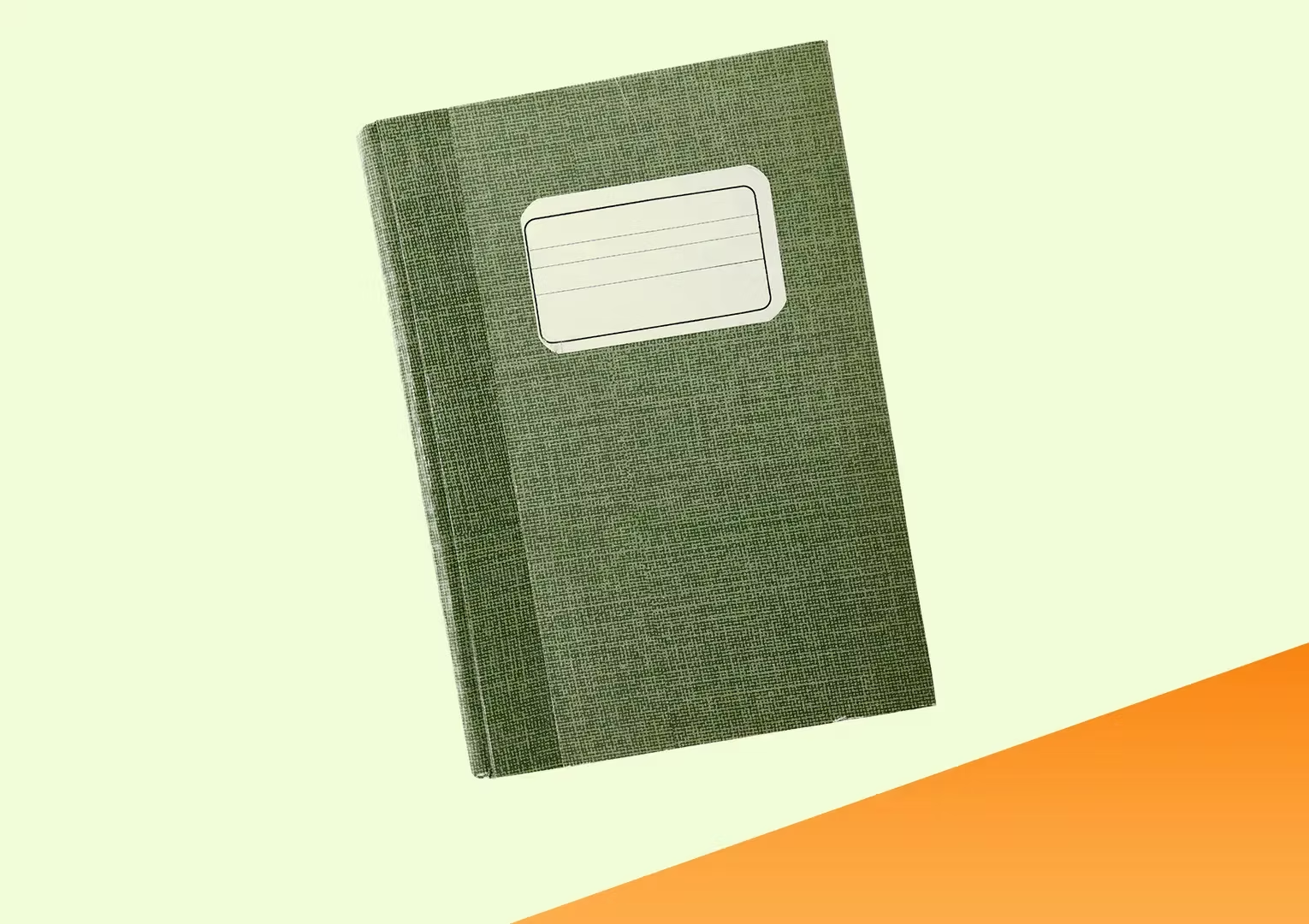
Cash books have been used for many years and are still used today. This shows that cash books can indeed help businesses manage their finances efficiently. So, how do you make a good cash book? Come on, find answers and other important information about cash books in this article!
What is a Cash Book?
According to Investopedia, a cash book is a financial journal that records all cash receipts and disbursements, including bank deposits and withdrawals.
When recording transactions in a cash book, you usually need to enter the date, transaction description, amount, and any other information you may need.

So, the most important thing about recording in the cash book is that you should immediately record the transactions that occur. Don’t leave transactions on Monday, then record them in the cash book on Wednesday. This makes it inaccurate, your Profit Friends!
Types of Cash Books

Each type of cash book has a unique way of recording transactions. To find out which type of cashbook is most suitable for your business, keep reading this article!
1. Single Column Cash Book
A single column cash book is also called a simple cash book. This book presents cash received (debit) entries on the left side and cash out (credit) on the right side. Transaction fees, dikson, or other fees are usually recorded in the general ledger—separate from the one-column cash book.
2. Two Column Cash Book
In a double column cash book, there is an additional column provided for discounts. This cash book records cash receipts and disbursements in one column, while the second column records discounts received or given.
3. Three Column Cash Book
A three column cash book (triple column cash book) is similar to a two column cash book—with the addition of one column to record bank transactions. This is necessary because many companies transact using checks, so this third column is needed to understand financial transactions properly.
4. Petty Cash Book
The petty cash book is used to record transactions with very small amounts. Usually for daily transactions and are repetitive in nature, but if the amount is not recorded it can “burden” the large cash book. For example, shipping costs, food bills, and photocopying.
Uses of Cash Book
Recording every transaction in a cash book provides many benefits for businesses, including the following:
- Facilitate verification of cash on hand by matching balances in the cash book to help identify any entry errors.
- Creating regular transaction records based on chronological order allows accounting personnel to access information more easily and quickly compared to a general ledger.
- Makes it easier for accountants or managers to check cash balances whenever necessary so you can budget cash efficiently.
- Makes it easier for accounting personnel to track cash payments.
- Helps detect fraud committed by corrupt employees.
How to Make a Cash Book
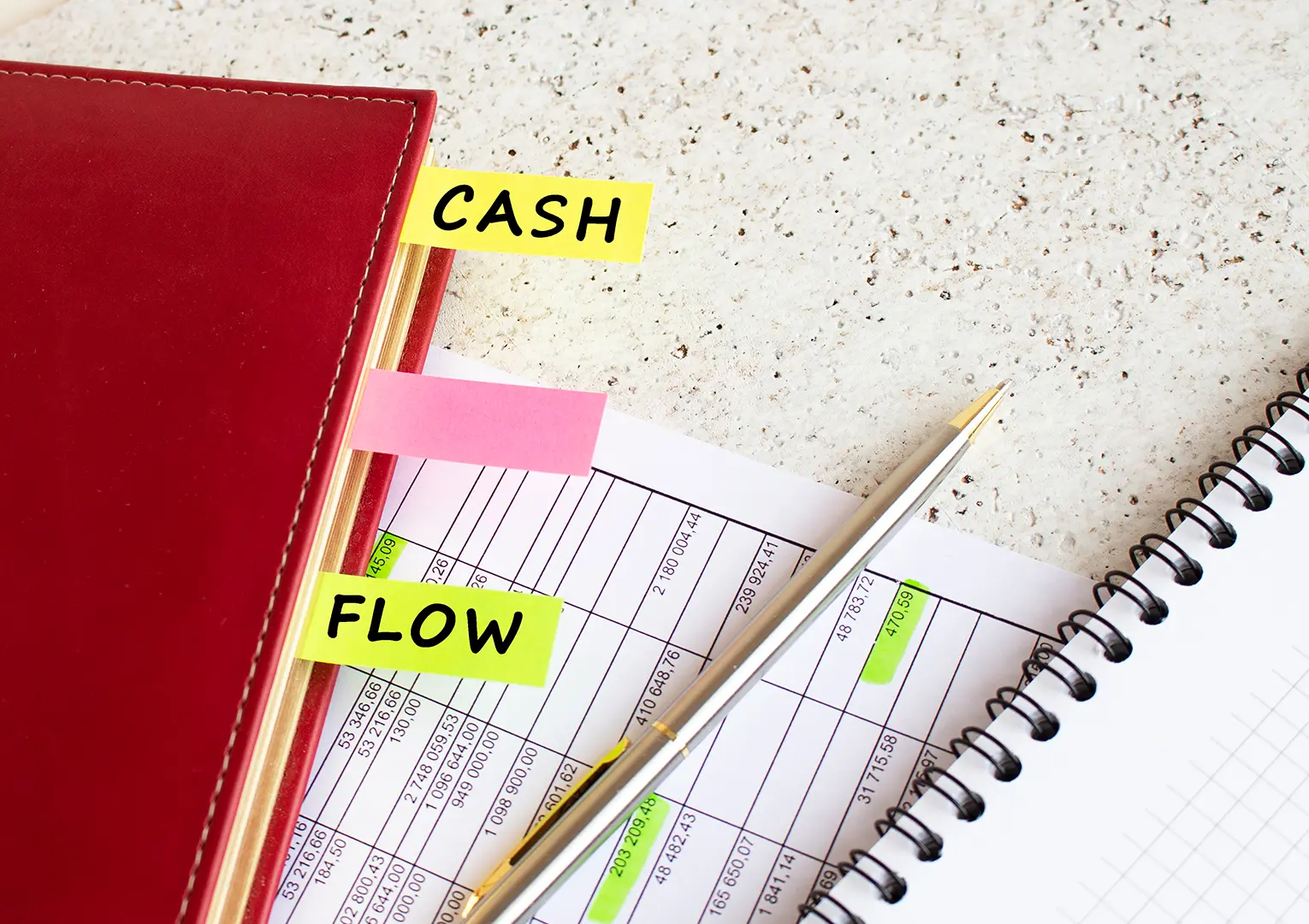
There are various methods and ways of making a cash book that you can apply. However, whatever you choose, make sure there are no entry errors that result in an imbalance between income and expenses. Here’s how.
1. Check Cash Book
This book is also known as a two-page folio cash book because it must have two pages.
The first page records debit activity to track income and cash additions. The debit page includes four columns, namely:
- The first column records the date the money was received
- The second column records the final balance (balance)
- The third column records the serial number of proof of income
- The fourth column records the amount of money coming in
Next, the second page contains credit activity which is used to track the money spent. Just like the debit page, the credit page also contains four columns consisting of:
- The first column records the date the money came out
- The second column records the final balance (balance)
- The third column records the serial number of the proof of cash expenditure
- The fourth column records the amount of money that came out
2. One Page Folio
How to make a one-page folio cash book is considered more practical than a two-page folio cash book because all the information entered is on the same page.
In this model cash record, there are five columns that must be provided, namely:
- The first column records the transaction date
- The second column explains how funds came in or went out
- The third column records the serial number of the receipt or expenditure.
- The fourth column contains the total cash balance
- The fifth column contains total cash disbursements
3. Table
The next way to record the cash book can be using the tabular method. This method is also considered practical because it can be filled according to business needs. However, in principle, this method still requires children to record debits and credits.
To make recording easier, you can make it using the Microsoft Excel application rather than the time-consuming manual method.
4. Cash Journal
A cash diary is the most practical approach to keeping a cash book. Although more commonly used by trading companies, diaries are easier to use to track incoming and outgoing funds.
This method documents all monetary transactions and separates them into two parts, namely:
- Receipt journal which records receipt of receivables payments, and income journal.
- An expenditure journal that records all cash expenditures resulting from the transaction value of debt payments and expense payments.
So, that’s how to make a cash book and several methods that you can use. However, as a businessman in the digital era, you should be very grateful because now you don’t have to do it manually.
The thing is, there is a Labamu application that you can use to record every incoming and outgoing transaction in just one application that you can download via Google Play or the App Store. Come on, try making it and feel the ease!