

Industrial raw materials can be processed into a wide variety of products for various industries. From a manufacturing perspective, these are the inputs or inventory required to produce a product. Let’s learn what raw materials are, their role, types, and how to manage them!
What are raw materials?
Quoting Investopedia’s definition, raw materials are materials or substances used in the production or manufacture of goods.
Meanwhile, Oracle NetSuite has a more detailed definition. They define industrial raw materials as raw or semi-finished materials used to produce semi-finished goods or finished products.

If we draw a common thread, raw materials are an important part of the supply chain that drives a series of processes related to inventory and production to produce goods ready for sale.
The Important Role of Raw Materials for Industry
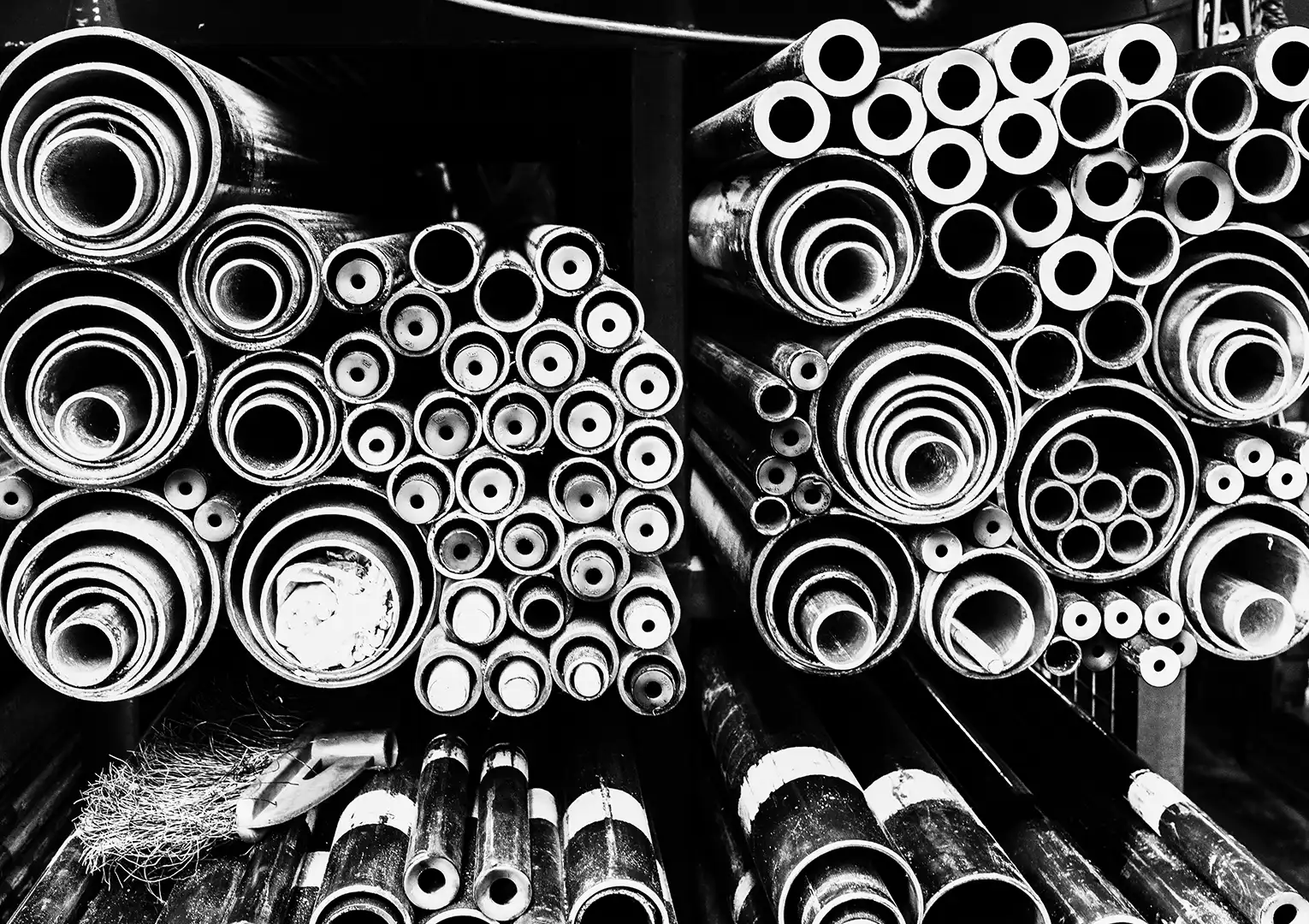
Defining raw materials is easy, but as inputs in the production process, they play a crucial role. Here are the most significant ones.
1. Determining the Quality of the Final Product
The quality of raw materials directly impacts the quality of the resulting product. For example, high-quality raw materials generally result in products that are more durable and meet consumer standards.
In other words, the use of quality raw materials can improve the company’s positive image in the eyes of consumers.
2. Streamlining the Production Process
Raw materials can create efficiency from various aspects, such as:
- Raw materials that meet production needs can reduce wasted time, energy and other resources.
- Raw materials that are easily available in large quantities enable companies to increase production capacity.
- Raw materials that are easy to transport and process can reduce logistics costs and speed up production times.
3. Reduce Production Costs
The use of quality raw materials can reduce production costs from various aspects, such as
- Efficient use to minimize waste or scrap and reduce waste due to disposal.
- Reduce storage costs and the risk of expired or damaged raw materials.
- Lower logistics and transportation costs if you can use ingredients that are available locally or in large quantities (seasonal).
4. Ensuring the Sustainability of Industrial Operations
A stable supply of raw materials ensures uninterrupted production, ensuring long-term business continuity.
5. Enables Product Differentiation
The selection of raw materials can add value and create a competitive advantage for the product. This makes it different compared to competing products.
In addition, the use of diverse raw materials opens up opportunities to create innovative products that are not yet on the market.
Types of Industrial Raw Materials from an Accounting Perspective
From a financial recording point of view, raw materials can be divided into two categories, namely direct materials and indirect materials. Here are the differences.
1. Direct Raw Materials
Direct raw materials are materials used directly by the company in the manufacture of products. An example is wood in a chair-making factory.
Direct raw materials are usually considered variable costs because the amount used depends on the quantity produced.
In the balance sheet, direct raw materials will be recorded as current assets. While on the income statement, this is recorded in COGS.
2. Indirect Raw Materials
Indirect raw materials are not part of the final product, but are used throughout the production process. Examples are work tools, nails and wood glue.
In the balance sheet, indirect raw materials are recorded as long-term assets. It follows a depreciation scheme that allows it to be expensed over time and adjusted according to the revenue it generates.
Types of Raw Materials by Source
Furthermore, industrial raw materials can also be classified based on how they are obtained. Here is the explanation.
1. Natural Raw Materials
Natural raw materials are obtained directly from nature. Some examples are:
- Natural rubber derived from the latex of rubber trees.
- Wood from trees, both whole wood and pulp.
- Crude oil and fossil fuels extracted from the earth.
- Natural sand and stone, such as granite, marble and limestone.
2. Agricultural Raw Materials
Agricultural raw materials come from plants that are intentionally cultivated or animals that are farmed for a specific purpose. Some examples are:
- Food crops, such as wheat, rice, corn, fruit and vegetables, are the source of both staple foods and processed foods.
- Natural fibers, such as cotton and flax used in the textile industry to make clothing, bedding, and linen.
- Cow’s milk for making cheese, butter, and yogurt.
- Animal hair and skins, such as wool yarn used to make sweaters or sheepskin to make wallets, belts and leather jackets.
- Livestock manure is the raw material in making organic fertilizer.
- Enzymes and hormones produced by livestock for pharmaceutical and biomedical research.
3. Mineral Raw Materials
Mineral raw materials are widely used by the construction and manufacturing industries. Broadly speaking, mineral raw materials can be divided into metallic minerals and non-metallic minerals.
Examples of metallic minerals are:
- Iron ore as the main ingredient in steel production.
- Copper is widely used by the electrical and electronic industries.
- Aluminum is used by almost all industries, ranging from transportation, construction, packaging, to home furnishings.
Examples of non-metallic minerals are:
- Limestone as the main raw material for cement production.
- Silica which is a major component in the glass industry.
- Clay used in the production of ceramics, bricks and pottery.
- Diamonds, gemstones, and precious metals that are used as jewelry.
4. Synthetic Raw Materials
Synthetic raw materials are obtained through chemical processes whose application can be adjusted according to properties or needs. Some examples are:
- Plastics made from crude oil and natural gas.
- PVC is widely used to produce plastic products and packaging.
- Raw chemicals, such as sulfur, chlorine, and ammonia that are used extensively in industrial processes.
- Synthetic pigments are often used by the textile, cosmetic, and food industries.
How to Manage Industrial Raw Materials
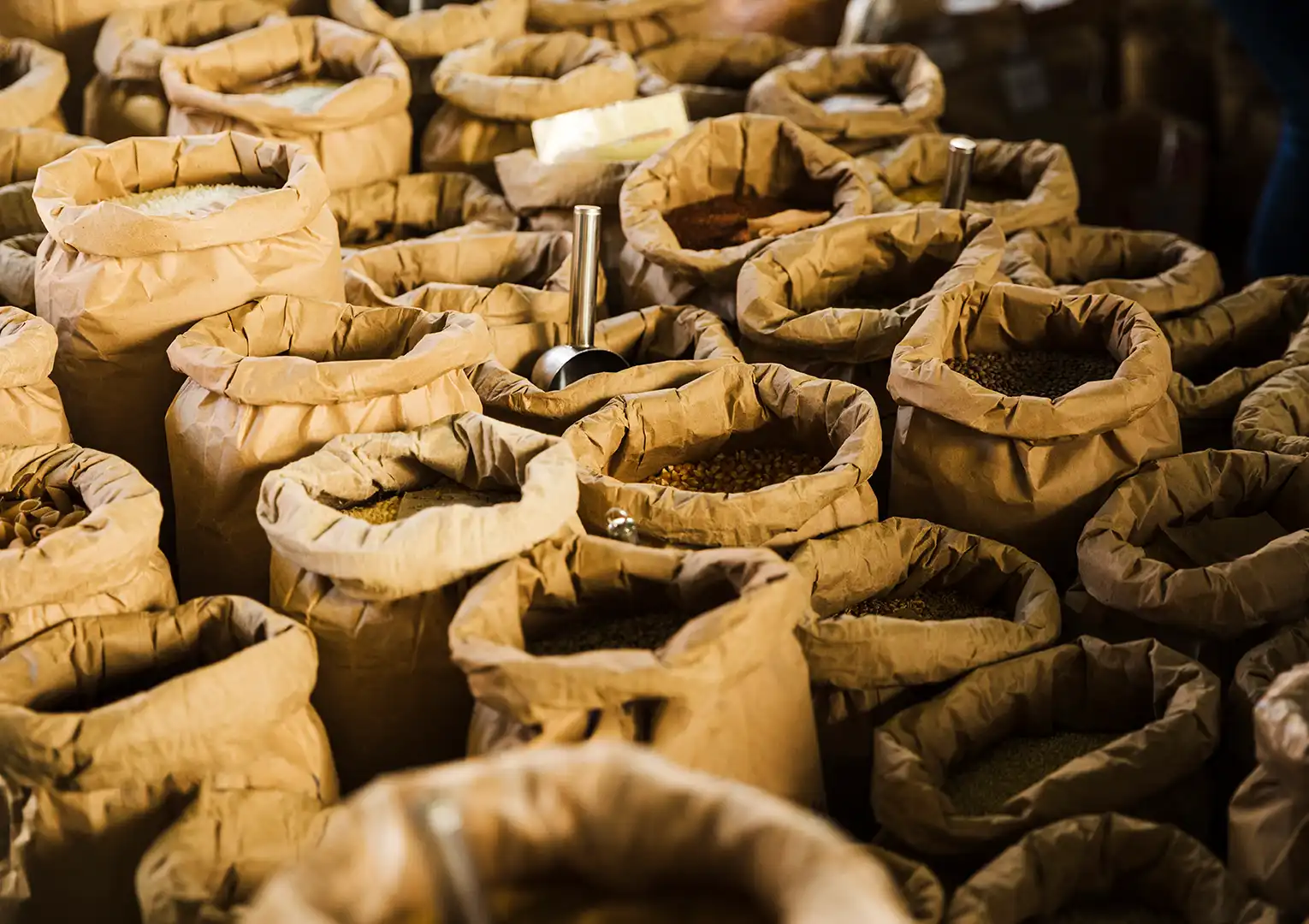
Regardless of its renewable or non-renewable nature, as a manufactureryou need to know how to manage industrial raw materials effectively and efficiently. Here are the tips.
1. Implementing Material Requirements Planning
Material Requirements Planning (MRP) is a manufacturing management system that helps industries manage raw materials by forecasting needs, planning ordering schedules, and integrating inventory data with production schedules.
By implementing MRP, companies can reduce waste, avoid stock shortages, and ensure raw materials are available when needed, thereby increasing efficiency and reducing operational costs.
2. Choosing the Right Supplier
When it comes to raw materials, you cannot ignore the role of suppliers. Therefore, companies must be able to choose raw material suppliers that are reliable, stable in quality, and able to meet delivery schedules.
To ensure consistent supply, you should consider entering into a long-term relationship with a formal contract.
3. Pay attention to storage facilities and methods
The quality of raw materials will only be maintained if they are stored using appropriate storage facilities. In this case, knowledge of the characteristics of the raw materials is very important. For example, some products cannot be stored at hot temperatures or must be placed in a dry place.
The same applies to inventory management methods. There are many methods that can be applied according to the characteristics of the materials, such as:
- FIFO (First In First Out)
- FEFO (First Expired First Out)
- LIFO (Last In First Out)
- Average method
4. Controlling Inventory
The main objective of inventory management is to ensure that the company does not overstock or understock. While overstock has the potential to cause waste, understock can make the company miss the opportunity to meet market demand.
Inventory control also involves the process of monitoring raw material stocks, both in terms of quantity and quantity, in real-time.
5. Leveraging the Use of Technology for Inventory Management
In this modern age, you can implement technology such as Enterprise Resource Planning (ERP) to integrate raw material data with production and distribution.
For small and medium-sized businesses, you can also utilize various apps that can manage inventory. For example, the Organize Raw Materials feature in the Labamu application that allows you to manage raw material inventory automatically and more practically.
In addition, there are many other features that you can utilize to boost your business efficiency. Let’s download the app via Google Play or App Store right now!