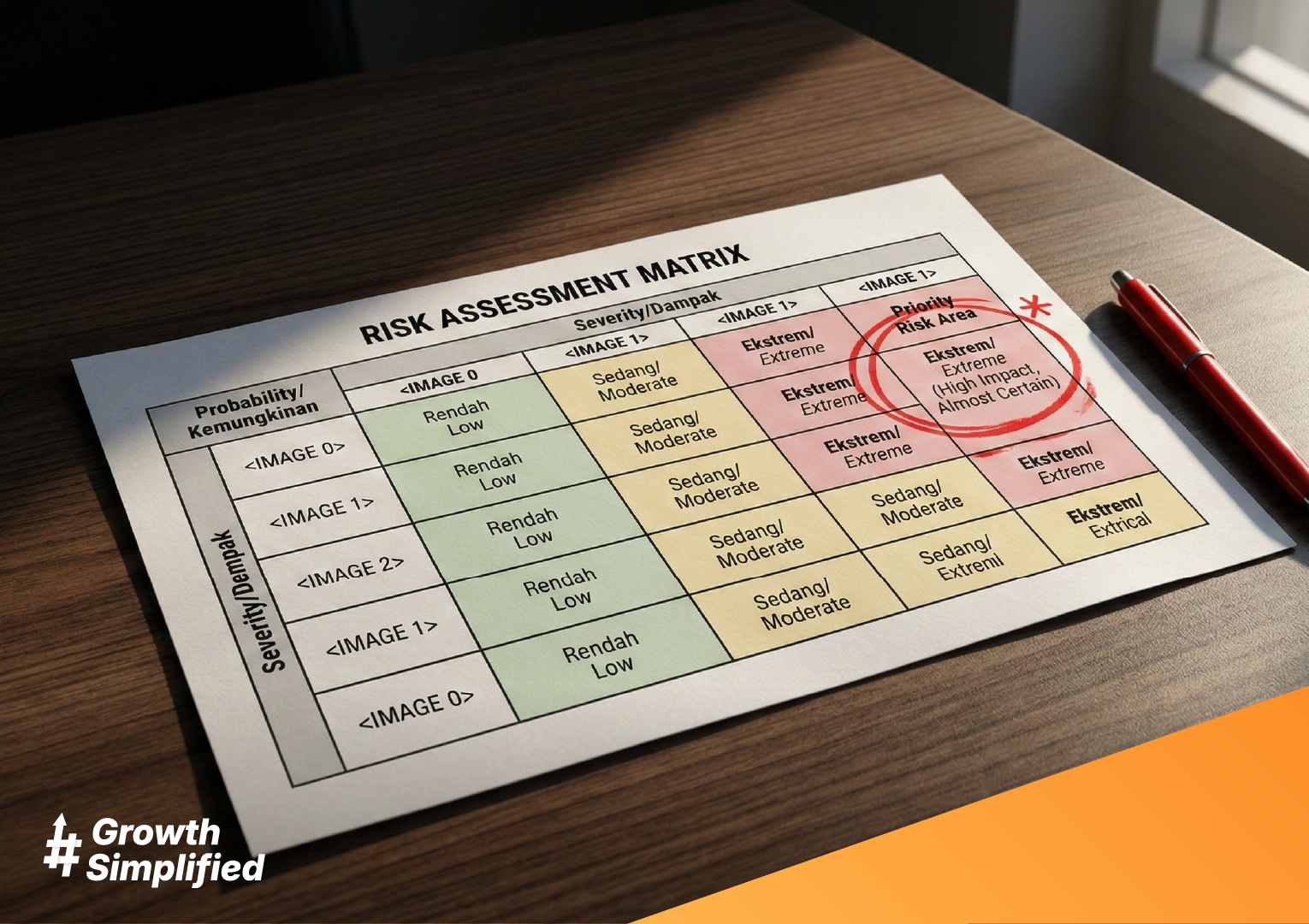

Production planning is the backbone of an efficient manufacturing process. It serves as a roadmap that organizes resources, schedules, and tasks so that the entire team works in harmony and production runs smoothly. This is why production planning is so crucial—it helps answer fundamental questions like “what,” “when,” and “how much” to produce. Want to learn more? Read this article to the end!
Definition of Production Planning
According to Indeed, production planning is a manufacturing strategy that outlines step-by-step the process of making a product, from initial planning to final completion. Through this planning, manufacturers can determine the quantity of products to produce, set deadlines, and identify the required raw materials and resources.
Meanwhile, Slimstock adds that the main goal of production planning is to maximize productivity and ensure the manufacturing process aligns with customer needs, while minimizing the risks of overstocking or inventory shortages.

In other words, production planning is not just about creating schedules; it’s about balancing capacity, demand, and efficiency to ensure the entire production chain operates optimally.
Production Planning Function
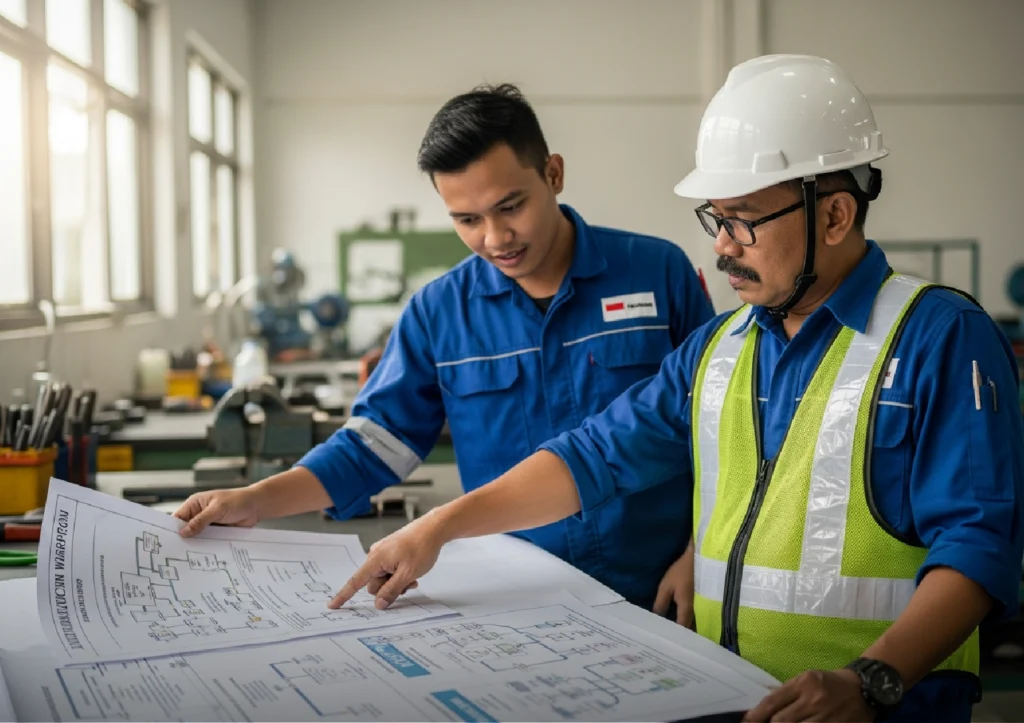
The function of production planning goes beyond determining when a product should be made; it also ensures the entire process runs efficiently and aligns with customer needs. Here are the main functions of production planning.
1. Work Organization
Production planning helps companies identify the required raw materials, set work schedules, and allocate tasks among teams. With a clear work structure, everyone knows what to do and when to complete it. As a result, the production process becomes more organized, measurable, and capable of meeting set targets.
2. Communication
Through production planning, companies can coordinate more effectively with suppliers regarding the type, quantity, and timing of raw material deliveries. This transparency helps prevent delays, stock errors, or disruptions in the production schedule, ensuring the entire supply chain runs smoothly.
3. Process Efficiency
A well-prepared production plan makes each stage of work more efficient. With all elements organized from the start, the company can avoid unnecessary waiting times and optimize the use of machinery and labor. This efficiency not only speeds up the process but also reduces overall operational costs.
4. Cost Efficiency
By considering production needs and capacity, companies can make more cost-effective decisions, choose more economical alternatives, and optimize budgets. This aligns with the primary goal of production planning: balancing productivity with cost control.
5. Resource Allocation
Production planning also serves as a guide for proper resource allocation, covering raw materials, labor, time, and budget. With accurate planning, the production team can work without shortages or excess stock—both of which can be costly for the company.
6. Reducing Waste
One tangible benefit of effective production planning is the reduction of waste and excess inventory, as well as preventing overproduction. This not only saves storage costs but also helps keep the environment free from unused materials.
7. Flexibility
No plan is completely free from disruptions. However, with solid production planning, companies can adapt more easily to changes, whether due to sudden demand spikes or supplier delays. A flexible plan allows the team to make adjustments without disrupting the overall production process.
8. Process Knowledge
Beyond operational benefits, production planning also provides strategic insights that help production managers understand customer needs, potential bottlenecks in the production line, and solutions to address them. With better data and understanding, business decisions can be made more accurately and result-oriented.
9. Quality and Consistency
Effective production planning focuses not only on how much is produced but also on the quality of the output, ensuring that standards are consistently maintained. This consistency builds the business’s reputation with customers and reduces the risk of defective products or returns.
10. Customer Satisfaction
The ultimate goal of all these processes is customer satisfaction. With timely production schedules and efficient resource management, companies can deliver products on time and at the highest quality. As a result, customers are satisfied and more likely to make repeat purchases.
Production Planning Methods

Every business has different production needs, depending on the type of product, scale, and market demand patterns. Here are some common production planning methods used in the manufacturing industry.
1. Push Production Planning
This method operates on a make-to-stock principle, producing goods in advance based on forecasted market demand. Products are prepared ahead of time so they can be distributed as needed. This approach is suitable for businesses with stable demand and predictable sales patterns.
2. Pull Production Planning
Unlike the push system, the pull approach produces goods based only on actual customer orders. This method helps reduce the risk of excess inventory and raw material waste. Besides being more efficient, it also makes the business more adaptable to changing trends and dynamic market demand.
3. Batch Production Planning
In this method, production is carried out in specific batches or series. For example, it is used for seasonal products, food items, or goods produced in limited quantities. Each batch is manufactured through organized stages to maintain both efficiency and quality.
4. Flow Production Planning
This method is suitable for mass production with high volumes and repetitive workflows, such as in the automotive or electronics industries. Its goal is to keep the production process running continuously without interruptions, preventing bottlenecks and ensuring consistent output.
5. Process Manufacturing Planning
This planning method is used in industries that involve mixing or transforming materials, such as chemical, food, and pharmaceutical sectors. Its main focus is to balance material availability, production timing, and strict quality standards. With automation and accurate demand forecasting, businesses can minimize human errors while maintaining production efficiency.
6. Mass Production Planning
This type of planning is used to produce large quantities of goods with uniform designs. Each stage of the process is tightly controlled to ensure high production speed and low costs. Lean manufacturing principles are often applied to reduce waste, maintain raw material availability, and minimize downtime.
7. Job Production Planning
This method is suitable for businesses that produce custom or made-to-order products, such as bespoke furniture or specialized industrial machinery. Each product is treated as an individual project with its own schedule, resources, and budget. Because every job is unique, detailed planning and strong communication are key to completing the project on time and meeting customer expectations.
After reading the entire article, you’ll understand that the core function of production planning is to help businesses stay efficient, organized, and ready to face challenges. To make everything even more streamlined, you can use Labamu’s Manufacturing feature. From inventory management to distribution, all processes can be managed automatically within a single system. Download the app now on Google Play or the App Store!