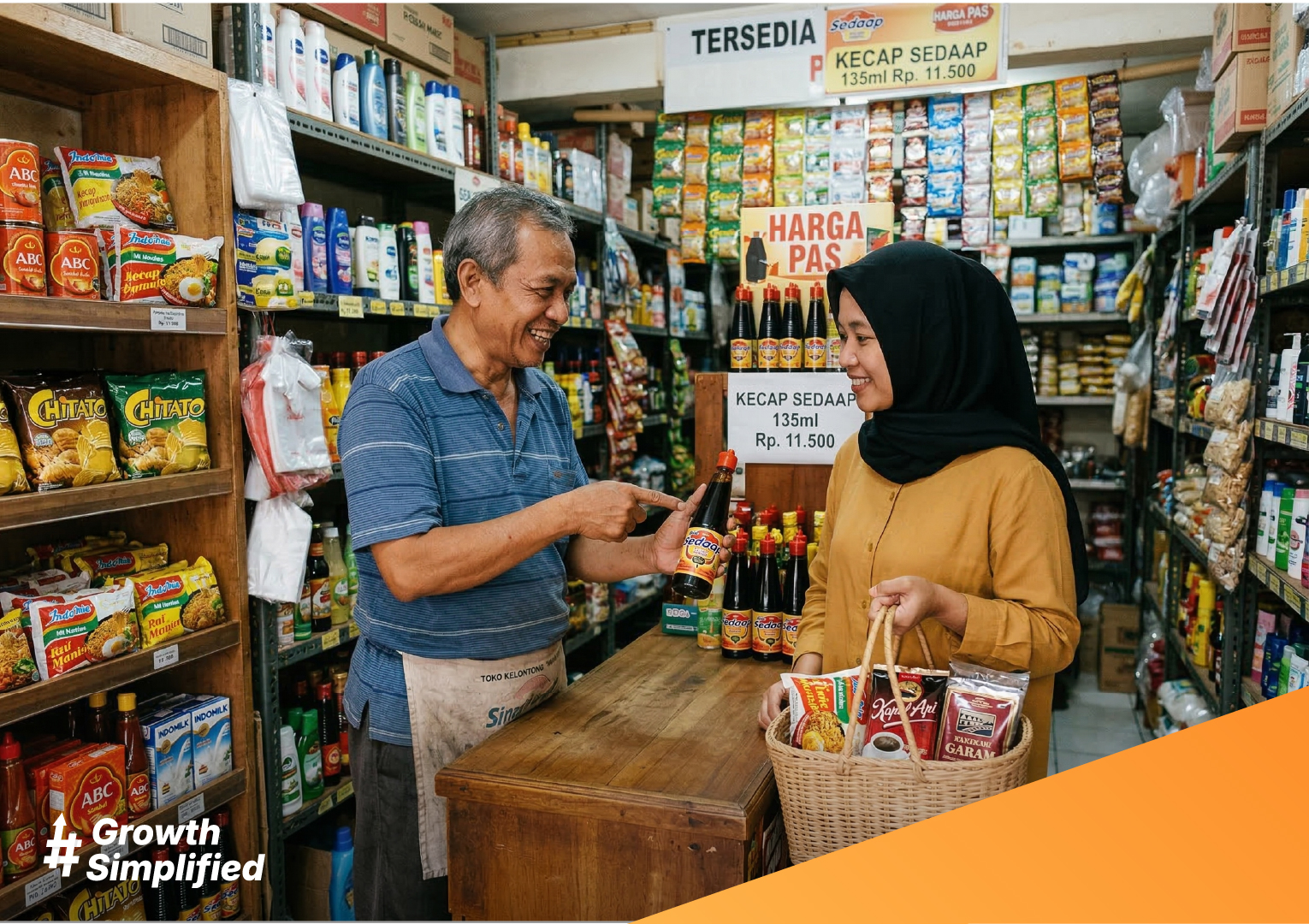
In the business world, acquiring new customers often requires significantly more cost and effort than retaining existing ones. That’s why many businesses choose to maximize each transaction through an upselling strategy. What does it mean, and how can it be implemented effectively? Find out the answers here!
The Meaning of Upselling
Simply put, upselling is a sales strategy that encourages customers to choose a higher-value version of a product or service than their initial selection.
As explained by Forbes, upselling is not an aggressive sales tactic that “forces” customers to buy something they don’t need, but rather a way of offering better, higher-value options than the product they initially intended to purchase.
Indeed explains that the goal of this strategy is not solely to increase transaction value, but also to help customers find solutions that better meet their needs.
Up Selling Vs. Cross Selling

Because both aim to increase sales, upselling and cross-selling are often mistaken for the same strategy—when in fact, they work in different ways.
While upselling encourages customers to choose a more expensive or premium version of the product they initially intended to buy, cross-selling focuses on offering complementary products that support the main purchase.
For example, when someone buys a laptop, the salesperson may also offer a wireless mouse, a laptop bag, or a screen protector as complementary products.
Types of Upselling Strategies and Examples
In practice, upselling can be implemented in various ways, and here are some strategies commonly used in business.
1. Product Upgrade
This strategy encourages customers to choose a more advanced or premium version of the product they initially selected. It is commonly applied in technology, electronics, and everyday products. For example, a customer may want to buy standard earphones, but is offered a version with noise-canceling features and superior sound quality.
2. Premium Service Plan
Upselling can also be applied by service-based companies through upgraded service packages, especially in subscription or digital businesses. For example, Spotify offers an upgrade to its Premium plan, providing an ad-free listening experience, higher audio quality, and unlimited song skips.
3. Extended Warranties & Insurance
Providing extra protection for high-value products helps customers feel more secure and confident in their purchase. For example, Toyota and Honda offer extended warranties that cover longer periods or greater mileage.
4. Personalization or Customization
This strategy offers personalization options to make a product feel more exclusive and tailored to the customer’s needs. For example, when buying a suit at a retail store, you might be offered custom tailoring services to ensure a perfect fit.
5. Bundling or Value Package
This strategy combines multiple products into a single package that offers higher value while feeling more “worth it.” For example, McDonald’s offers a bundle of a burger, fries, and a drink at a more attractive price than purchasing each item separately.
Benefits of Upselling for Businesses

For customers, upselling helps them obtain products or services that better meet their needs. For businesses, this strategy can increase revenue while also strengthening long-term customer relationships. Here are some key benefits of upselling worth considering.
1. Easier Than Acquiring New Customers
Offering upgrades to existing customers is far more effective than trying to attract a completely new market. Upselling also helps increase customer lifetime value (CLV), or the total transaction value of each customer.
2. Boosts Customer Loyalty and Retention
When customers feel they are getting a more suitable solution, they are likely to be satisfied and make repeat purchases. This is why targeted upselling can help build more personal and long-lasting business relationships with customers.
3. Drives Higher Profit Margins
Premium products or additional services generate higher profit margins. Additionally, customers who upgrade are often more consistent with repeat purchases.
4. Strengthens Brand Trust
Customers who feel their needs are valued tend to be more loyal and are even more likely to recommend your business to others. This, of course, is incredibly valuable!
5. Saves Long-Term Costs
Satisfied customers are less likely to cancel subscriptions and generate fewer complaints. By helping them achieve their goals with more optimal products, your business can reduce service costs while maintaining stable revenue.
Tips for Successfully Implementing an Upselling Strategy
To ensure upselling doesn’t come across as pushy, focus on building long-term relationships with customers. It’s not just about increasing transaction value, but genuinely helping them find the best solution. Here are some tips that Labamu friends can apply.
1. Build Customer Trust as the Foundation
Effective upselling starts from a foundation of mutual trust, not from aggressive or annoying sales tactics that pressure customers to buy more just to meet sales targets.
Instead, position yourself as a consultant offering the best advice. When customers feel genuinely supported, they are more likely to be receptive to recommendations for higher-value products.
2. Understand Your Customers’ Needs
The better you understand your customers’ preferences, habits, and needs, the more accurately you can tailor your upselling offers.
To identify these needs, you can listen to customer questions, study their purchase history, and leverage sales data to provide truly relevant recommendations.
3. Provide Clear Comparisons
Show the differences between the standard product and the upgraded version side by side, emphasizing the additional benefits that customers will genuinely experience.
Offer just one or two comparison options so customers don’t get overwhelmed and end up not making a purchase due to too many choices.
4. Educate on Benefits, Not Just Features
To help customers recognize the difference, explain the positive impact of the upgrade—whether it saves time, delivers better results, or offers greater safety. Whenever possible, use concrete figures to demonstrate the added value.
Also, ensure that the upgrade price remains reasonable and doesn’t jump too far beyond the original purchase. As a general rule, an upselling offer should ideally not exceed 25% of the initial purchase price.
5. Respect Customer Decisions and Maintain Communication
If a customer isn’t interested in upgrading, don’t pressure them. You can provide a brochure or product catalog for their consideration instead.
Additionally, maintain a good relationship through light follow-ups, promotions, or updates on new products. This approach can create upselling opportunities in future transactions.
In short, the goal of upselling is not just to increase transaction value, but to provide the best solutions for customers while driving sustainable business growth. To make your upselling strategy even more effective, ensure every business decision is supported by accurate data. With Labamu’s Report Analysis feature, you can monitor finances, sales, and inventory automatically, neatly, and in real time, enabling faster and more precise business decisions.