
Have you ever wondered what the behind-the-scenes process of online shopping is? How come the “Not Paid” status immediately changes to “Payment Received” after you complete the payment? It turns out, the secret is the transaction processing system (TPS).
Never heard of this? Come on, read this article and let’s get to know the transaction processing system!
What is a Transaction Processing System?
A transaction processing system or Transaction Processing System (TPS) is a computerized system that manages all company business transactions.
The process includes recording, collecting, storing, modifying, retrieving and processing data so that all transaction data is stored safely and is easily accessible.
This data transaction is very important to support business operations. For example, when you make an online purchase, TPS will process the order, update inventory, and credit the seller’s account.
However, specifically for online transactions, the term is no longer TPS but OLTP, Online Transaction Processing.
Difference between TPS and POS
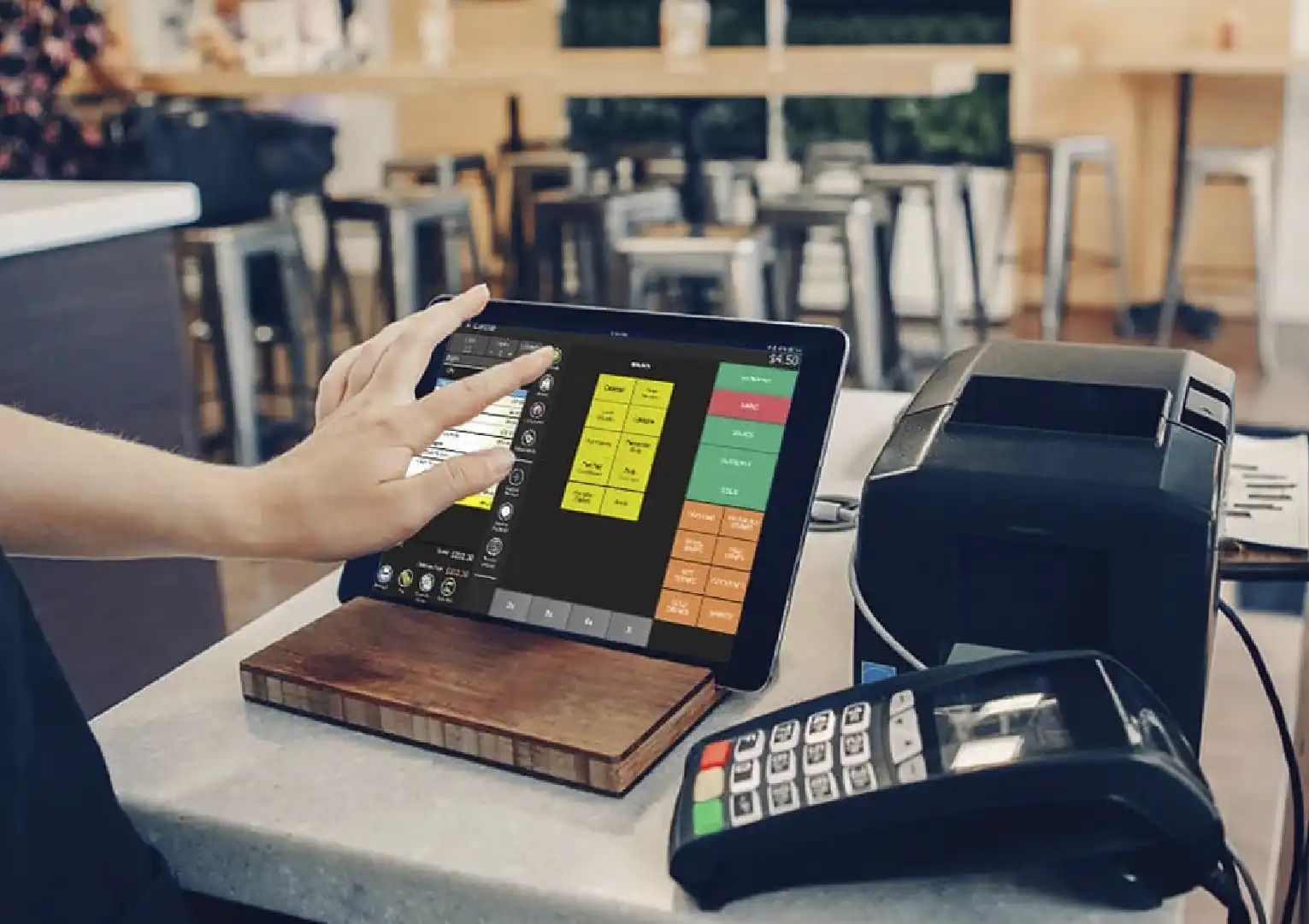
So, at this point you are wondering, what is the difference between TPS and Point of Sales (POS)?
Both are related to the sales function. However, TPS and POS are two different things if we look at how they work and how they connect consumers and businesses.
The use of POS is only limited to reading data, printing receipts, and managing payments.
Meanwhile, TPS is capable of storing, sending and receiving transactional data needed to validate and complete business transactions.
For example, you buy a box of donuts at a bakery with a credit card. POS is a tool for swiping the card. Meanwhile, the TPS will collect information about the card, “communicate” with the bank, and approve or reject the purchase.
Key Benefits of Transaction Processing Systems
Transaction processing systems play an important role in maintaining smooth company operations. Here are some of its main functions:
- Record transactions. TPS carefully records all financial transactions, including sales, purchases and payments.
- Management automation. TPS automates much of a company’s internal resources and revenue management. This means employees don’t have to spend a lot of time just reviewing transactions and they can focus on other tasks.
- Updating data. TPS will update the company database according to the latest transaction information and ensure the data continues to be updated.
- Maintain data integrity. TPS mematuhi aturan integritas data untuk mencegah kesalahan dan inkonsistensi sehingga keakuratan informasi yang masuk ke dalam database dapat dipastikan.
- Generate reports. TPS can produce reports that summarize all business transactions and provide information important regarding company performance. For example, to track sales trends, identify areas of improvement, and make data-driven business decisions.
In short, the transaction processing system is the backbone of a company’s financial operations to ensure transaction processes run efficiently, maintain data accuracy, and produce insightful reports.
Types of Transaction Processing Systems
If we look at how to manage transactions, transaction processing systems are divided into two types. The following is the description.
1. Real-time processing
This type of system processes transactions in real-time and provides immediate updates and responses.
This system offers faster response times and better accuracy. However, implementation and maintenance are relatively more expensive.
Example of using real-time processing:
- Online banking transactions
- stock Exchange
- Airline reservation system
- E-commerce payment system
2. Batch Processing
This type of system groups and processes data periodically. Batch processing is widely used for transactions that are not time sensitive and can be accumulated over a certain period of time.
This system is more cost-effective but can result in delays in data processing and updating.
Example of using batch processing:
- Payroll system
- Invoice delivery
- Inventory processing
- Billing documents
So, as to which option is the best, the answer depends on the nature of the transaction and business needs.
Advantages of Transaction Processing Systems
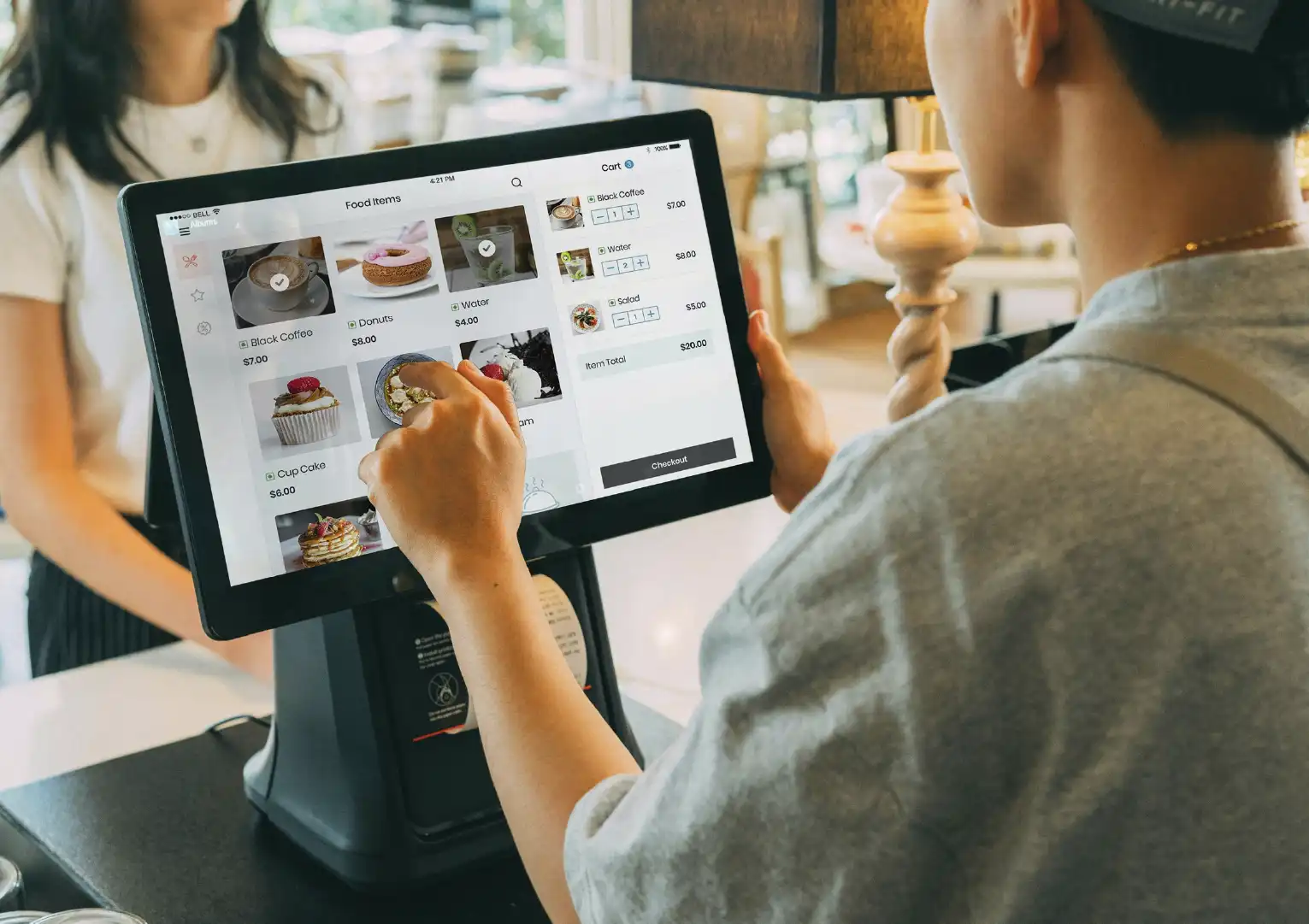
To summarize all the explanations above, the following are several advantages that a business can gain when involving a transaction processing system in its activities.
1. Increased Efficiency and Productivity
These systems automate manual tasks, allowing employees to focus on other more important activities and increasing overall efficiency.
2. Increased Accuracy and Reduction of Errors
Because it is automatic and capable of validating data, this system can minimize human error and produce more reliable and accurate financial records.
3. Increased Scalability and Business Growth
This system is easily able to handle increasing transaction volumes so it can be adjusted to accommodate business growth.
4. Wider Market Reach
The existence of TPS enables businesses to facilitate online transactions. Indirectly, this can expand the reach of the customer base. even capable of operating globally.
5. Cost Savings
The task automation and process simplification that transaction processing systems offer can result in significant cost savings in the long run.
Even so, TPS cannot directly improve customer experience, it still requires other treatments to create their satisfaction.
6. Improved Reliability
TPS can ensure transaction processes run quickly and accurately, maintain data consistency throughout the system, and ensure that transactions comply with predetermined rules and limits.
Through this consistent processing, it is not wrong that TPS is considered capable of providing information that the company can trust and rely on.
7. Enables Real-time Processing
A transaction processing system that operates in real-time offers instant updates and feedback.
This can help businesses make timely decisions and respond to changing circumstances. In business, real-time processing can increase agility and operational efficiency.
That’s all the information about our transaction processing system. Through the description above, there is one important point that you can learn. One of them is the importance of documenting business transactions.
It’s not just large companies that need this; small and medium-sized businesses like you also need to ensure that every administrative activity and transaction is neatly recorded. In this matter, just trust Labamu. There are many features that you can use according to your needs, so hurry up and download the app via Google Play or the App Store. right now, yeah!