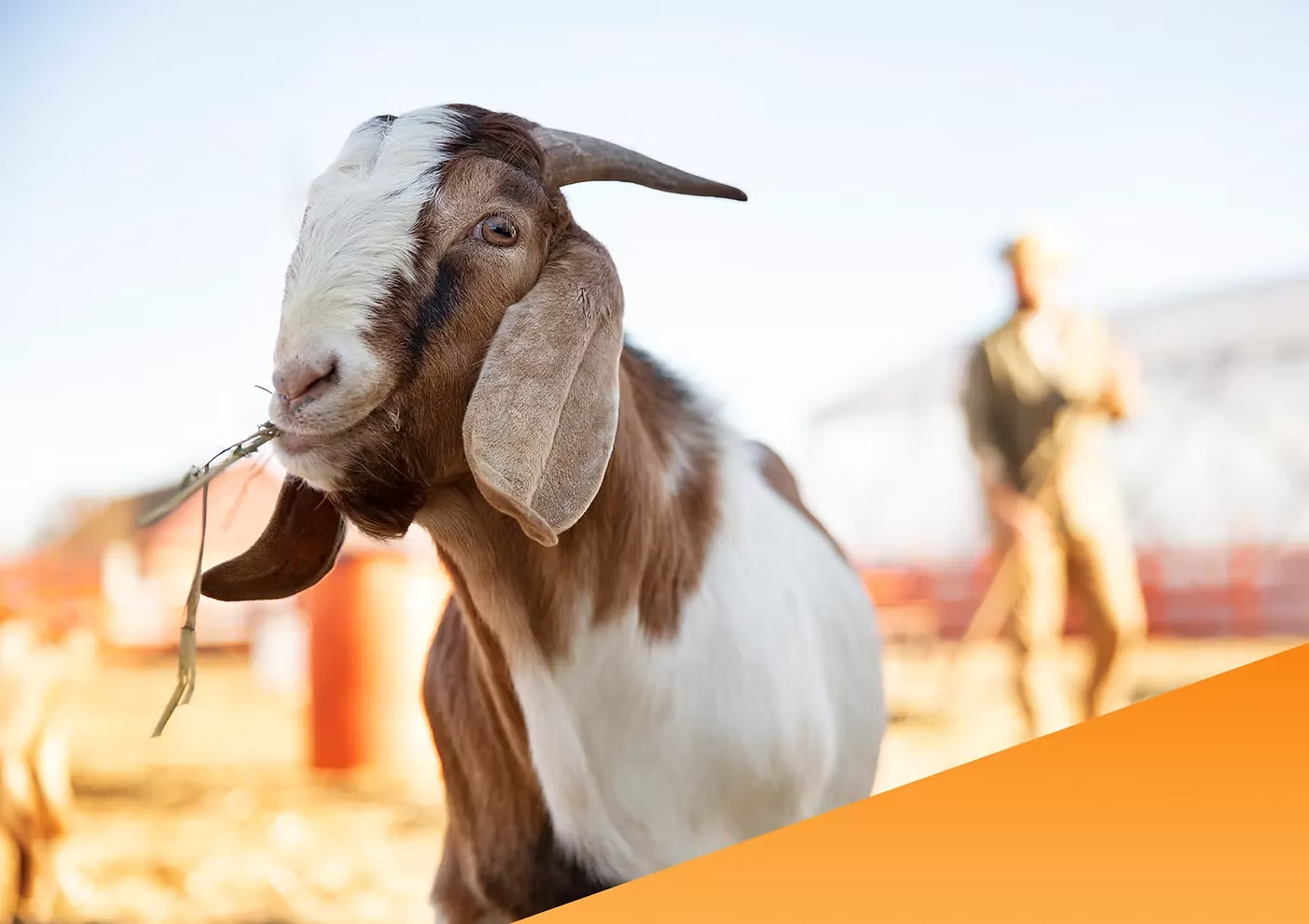
Ahead of Eid al-Adha, the sacrificial animal business becomes one of the most sought-after ventures. While it can be a permanent business, seasonal sacrificial animal sales are also highly profitable.
This isn’t surprising, as one of the key acts of worship performed by Muslims during Eid al-Adha is offering sacrificial animals—whether goats, sheep, or cows. That’s why many people turn to this business, even if just once a year.
If you want to run a sacrificial animal business ahead of Eid al-Adha this year, here are some strategies to help you maximize your profits.
Tips for Running a Sacrificial Animal Business
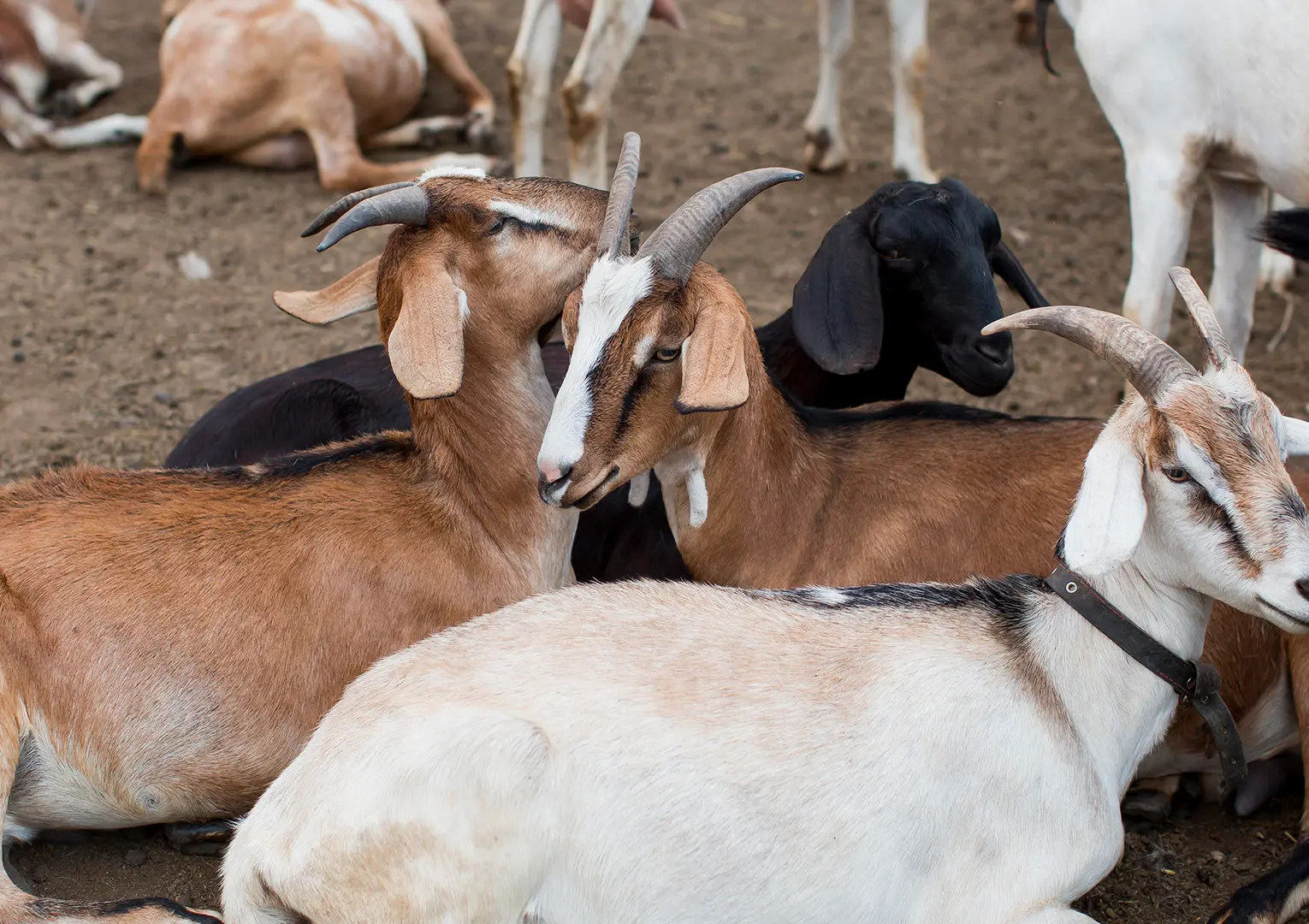
1. Which Sacrificial Animals Do You Want to Sell?
As mentioned earlier, the most popular sacrificial animals in Indonesia are goats, sheep, and cows. If you want to enter the sacrificial animal business, the first thing to decide is which type of animal you will sell.
You can choose to sell only goats, only sheep, only cows, or all three. Each of these options will differ in terms of business management, including required capital, care during the sale period, and potential profits.
So, first determine which sacrificial animals you want to sell, and then move on to the next steps.
2. Understand the Religious Criteria for Sacrificial Animals
Since the animals you sell will be used for sacrificial purposes, you must ensure they meet the criteria according to Islamic law. First, consider the age: goats and cows must be at least two years old, while sheep should be at least one year old or have already replaced their teeth.
Next, the sacrificial animals must be healthy livestock. Make sure to sell animals without physical defects, such as blindness or lameness. Animals that are sick, underweight, or lacking marrow should not be sold.
Finally, ensure the animals are fed properly and not given waste or garbage, which can make them sick and potentially transmit diseases to those who consume the meat.
3. Choose a Strategic Location
Like any other business, you need to choose a strategic location to sell sacrificial animals. The best spots are usually by the roadside, near places of worship, or along streets with high foot or vehicle traffic.
However, make sure you have the proper permits to sell there and avoid disrupting public facilities, such as setting up on sidewalks. Find a location that allows you to run your business smoothly and without causing inconvenience.
4. Prepare Capital and Operating Expenses
After deciding which animals to sell and finding the right location, now prepare the capital to purchase the animals and cover the rental fees for your selling spot.
To buy livestock at a lower price, it’s best to purchase directly from farmers rather than middlemen to maximize your profit. You can look for them in areas on the outskirts of the city.
Next, also prepare for operational expenses, the largest of which are daily animal feed and paying staff to care for and look after the animals you’re selling.
5. Sell at Competitive Prices
Besides quality, price is also a key consideration for customers when buying sacrificial animals. Before you start selling, research market prices to determine whether your selling price is too low or too high.
However, make sure you still earn a fair profit from the selling price. Don’t sell too cheaply only to gain minimal or no profit at all.
6. Sell Directly While Promoting Your Business
For selling sacrificial animals, the most effective strategy is using personal selling. This way, you can directly interact with potential buyers and offer the animals you’re selling.
Initially, you can offer your animals directly to extended family, friends, or acquaintances. Additionally, it’s a good idea to be present at your selling location so you can approach potential buyers directly.
Additionally, make use of your social media accounts—or even create new ones—to promote your business. Start advertising by posting photos of the sacrificial animals you’re selling, and don’t forget to include your selling location and a contact number.
Use the Billing Feature in Labamu to Create Invoices
When selling sacrificial animals, you’ll need to provide buyers with an invoice as proof of the transaction. To avoid the hassle of writing it manually—which also risks getting lost—it’s better to use Labamu’s Billing feature.
With this feature, you can manage and send official invoices to customers confidently. Additionally, you can provide peace of mind by offering various digital payment options, which helps increase customer trust in your business.
Here’s how to send an invoice to buyers using the Billing feature:
- Click the “Billing” feature in the “Business” menu.
- Click “+ New Invoice”.
- Set the invoice date and the invoice validity period.
- Select the customer and the product(s) to be invoiced.
- Click “Confirm Product” and then “Send Invoice”.
- The invoice has been sent—now wait for the customer’s payment.
That’s an overview of the profitable sacrificial animal business. If you want to join a business community and exchange ideas to grow this venture, join LabamuHub by Labamu, which carries the slogan #GrowTogether (#TumbuhBersama).
This business community is expected to be a one-stop solution to help business people develop their business and go digital. Here you can also get Networking & Collaboration opportunities with other business people and get New Business Knowledge through onboarding, training, and various workshops.
So, don’t wait any longer—join LabamuHub now and let your business #GrowTogether (#TumbuhBersama) with Labamu.