If humans have fingerprints, then products have serial numbers. In Indonesian, this is the serial number found on almost every product sold on the market.
Serial numbers are markers that make each product unique and easy to track, and make inventory management more effective.
This article will discuss serial numbers in full, starting from their definition, types, and the benefits felt by businesses if they use serial numbers.
Serial Number is
A serial number is a special code assigned to each item sold or rented. The code is generally a mix of letters and numbers, and each item is unique, even if they are the same model.
For example, if you sell twenty identical bags then each bag will have its own unique serial number.
Serial numbers can range from six to over twenty characters, depending on business needs and the complexity of the inventory system. The combination of numbers and letters increases the total number of unique codes that can be generated.
Also read: Transaction Processing System: The Secret Behind a Smooth Online Business
Serial Number Types
Serial numbers can be created in a variety of formats, each with a specific purpose in inventory and asset management. Here are some of the main types commonly used by business owners.
1. Sequential Serial Number
In Indonesian, it’s called a sequential serial number, which is created based on the order in which items are manufactured or added to inventory. This makes tracking the production and distribution process easier.
Sequential serial numbers generally include a date code, which indicates when the item was manufactured. This helps manage warranty periods or determine the age of an item.
In addition, a batch code will also be included, which is a specific type of serial number used to group items produced in the same batch or manufacturing process.
This code allows you to track and manage products manufactured simultaneously. This makes recalls and quality checks easier because all items in a batch likely have the same production conditions.
An example of this type of serial number is SN: 20240715-001-123, which means:
- 20240715 indicates that the goods were produced on July 15, 2023.
- 001 is the batch code, which means that the item is part of the first batch made that day.
- 123 is a sequential serial number, indicating that this is the 123rd item produced in the batch.
2. Alphanumeric Serial Number
As the name suggests, this alphanumeric serial number uses a combination of letters and numbers, making it more unique. Additional detailed codes, such as specific product lines or features, can also be added.
Having letters in the serial number makes it easier to read and less prone to errors during manual entry.
Alphanumeric serial numbers are very useful for businesses that handle a wide variety of goods because they allow for detailed classification within inventory.
So, employees can quickly identify not only the type of item, but also the specific style or size.
An example of this type of serial number is BP-101A234, which means:
- BP represents the category of goods, namely “BackPack”.
- 101 represents a certain type or style of backpack
- A234 is a unique identifier for a particular backpack.
3. Random Serial Number
Having random serial numbers is great for security because it makes the numbers difficult to duplicate or predict, even preventing fraud.
Serial numbers like these also help prevent counterfeit products from entering the market because they cannot be easily imitated.
To create these serial numbers, a random number generator is usually used, supported by a complex algorithm, so it can create unique identifiers without predictable patterns.
An example of this serial number is X9F4-7T32-ZY6, which means it is known only to the business owner.
Benefits of Using Serial Numbers
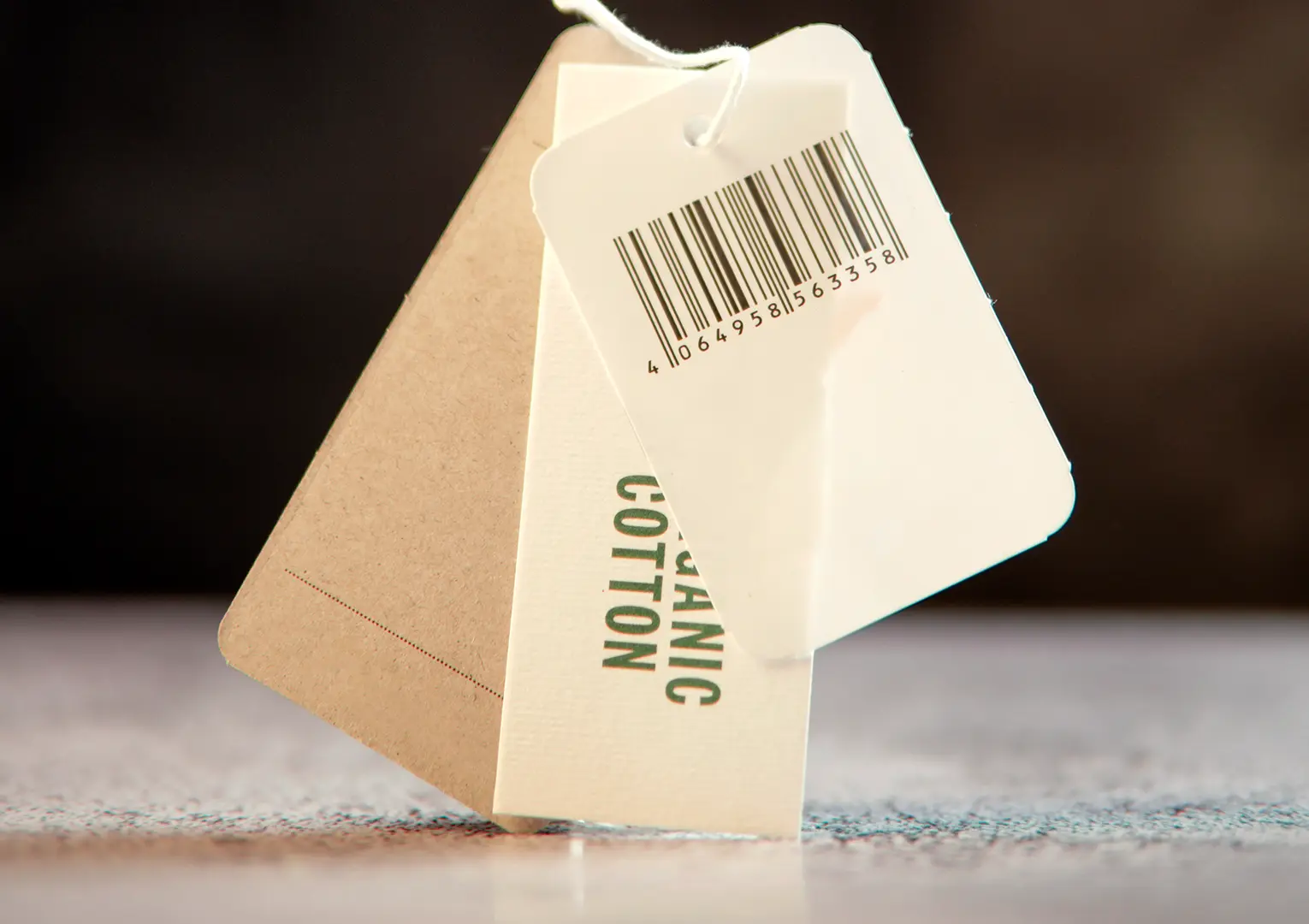
There are several benefits to using serial numbers, namely as follows.
1. Items are easier to trace
With serial numbers, every step of a product’s life cycle can be tracked, from manufacturing to distribution, and even after-purchase use.
This not only helps in quality control, but also contributes to a more transparent and accountable supply chain.
Also read: Sales Data: Definition, Types, and Benefits for Business
2. Inventory Management
Serial numbers provide a unique identifier for each item, no matter how many identical products there are.
This makes it easy to accurately track the location, status, and availability of each item, which is critical to managing inventory effectively.
3. Maintenance and Quality Control
You can track the sales history of each item through its serial number, making it easier to schedule routine maintenance and inspections.
This approach helps maintain product quality and ensures prompt resolution of any damage. This results in higher customer satisfaction and ROI.
4. Efficiency of Utilization and Allocation
By analyzing usage data associated with serial numbers, you can optimize inventory levels and allocation strategies. This analysis can provide insights into which items are most popular and which are rarely purchased.
This will help in making informed decisions regarding whether to add or remove certain items.
5. Theft Prevention
Serial numbers make it easier to register items in an inventory management system. This is crucial in the event of theft, as serial numbers can help recover items and file insurance claims.
Besides using serial numbers, another way to simplify running a business is by using Labamu. This application is designed to encourage business growth with a variety of excellent features.
For example, the POS Cashier feature, QR Menu, Order Management, Raw Material Management, even Reports, Bills, and Accounts Payable.
With a system that can be accessed on various devices simultaneously, Labamu will help your business operate more optimally so you only need to focus on business development.
Come on, download Labamu now on Google Play or the App Store and join more than 84 thousand entrepreneurs in Indonesia who are already using this app!