
The wheels of the economy are driven by people’s buying and selling activities. The people who create sales are producers, while those who make purchases are called consumers.
In distribution, both parties can act as producers and consumers.
So that your Profit Friends better understand the characteristics of manufacturers, let’s read the following article to the end!
What is a Manufacturer?
Producers are individuals or companies that create and provide goods or services. Converting input into value-added output.
On a large scale, producers are called manufacturers. Meanwhile, companies that produce similar goods or services are grouped and known as industries.
Basically, the production process carried out by producers aims to increase added value, create something useful, and generate profits.
Types of Producers
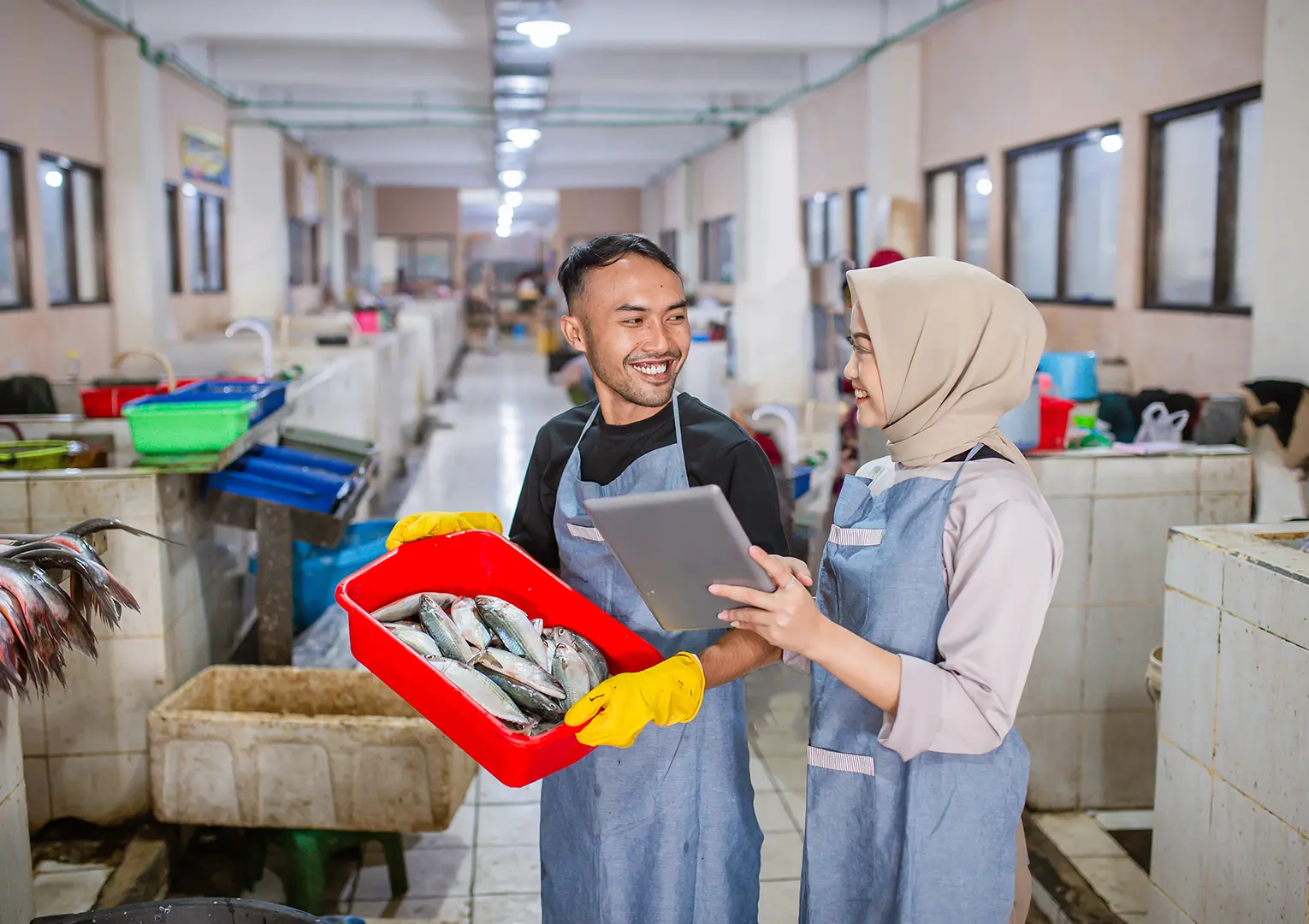
Judging from the type, producers can be classified into three main categories, namely as follows:
- Agricultural Producers (Primary). These producers produce goods related to agriculture, including forest products, livestock and fish. This type of producer utilizes natural resources to produce goods. Examples: chicken farmers, dairy farmers, and fishermen.
- Industrial Producer (Secondary). These manufacturers produce goods related to industries or manufacturing units. They operate in large, small and micro scale industrial units and mass produce various types of goods. Examples: FMCG, shoe factories, and MSMEs.
- Service Producer (Tertiary). These producers provide various types of services needed to support the activities of primary and secondary producers. Examples: transportation services, banking services, and insurance offices.
Meanwhile, judging from the form of ownership, producers can be categorized into two types, namely:
- Individual Producer. They are producers who run their businesses independently. Not assisted by other workers or only having a handful of teams. Example: fried rice seller.
- Corporate Manufacturer. These are manufacturers who run large-scale businesses and are legally registered. That’s why they employ a lot of professional workers. Example: fried chicken restaurant franchise.
Manufacturer’s Goals
As an entity in the distribution channel, producers also have specific goals to achieve. The following is the description.
1. Make a Profit
Producers have the right and aim to obtain the maximum possible profit as a return for the risks and efforts they make to produce goods or services.
2. Maximize Sales
Tujuan produsen yang selanjutnya adalah menjual produk atau jasanya sebanyak mungkin sehingga bisa mendapatkan lebih banyak keuntungan. Meskipun pada praktiknya, mereka perlu mengorbankan keuntungan jangka pendek untuk mendapatkan keuntungan yang lebih besar dalam jangka panjang.
3. Producing Quality Goods
Whatever the scale and goals of the business, the manufacturer’s goal is to produce quality goods. The aim is of course to target consumers who are willing to pay more for high-quality goods or services.
4. Offer goods at low prices
Regardless of what pricing strategy they use, producers will strive to produce and provide goods or services at the lowest possible price.
5. Serving the Community
Through the production process, another producer’s goal is to serve society through the products or services they produce. Likewise by providing employment opportunities for the people around him.
Functions and Roles of Producers
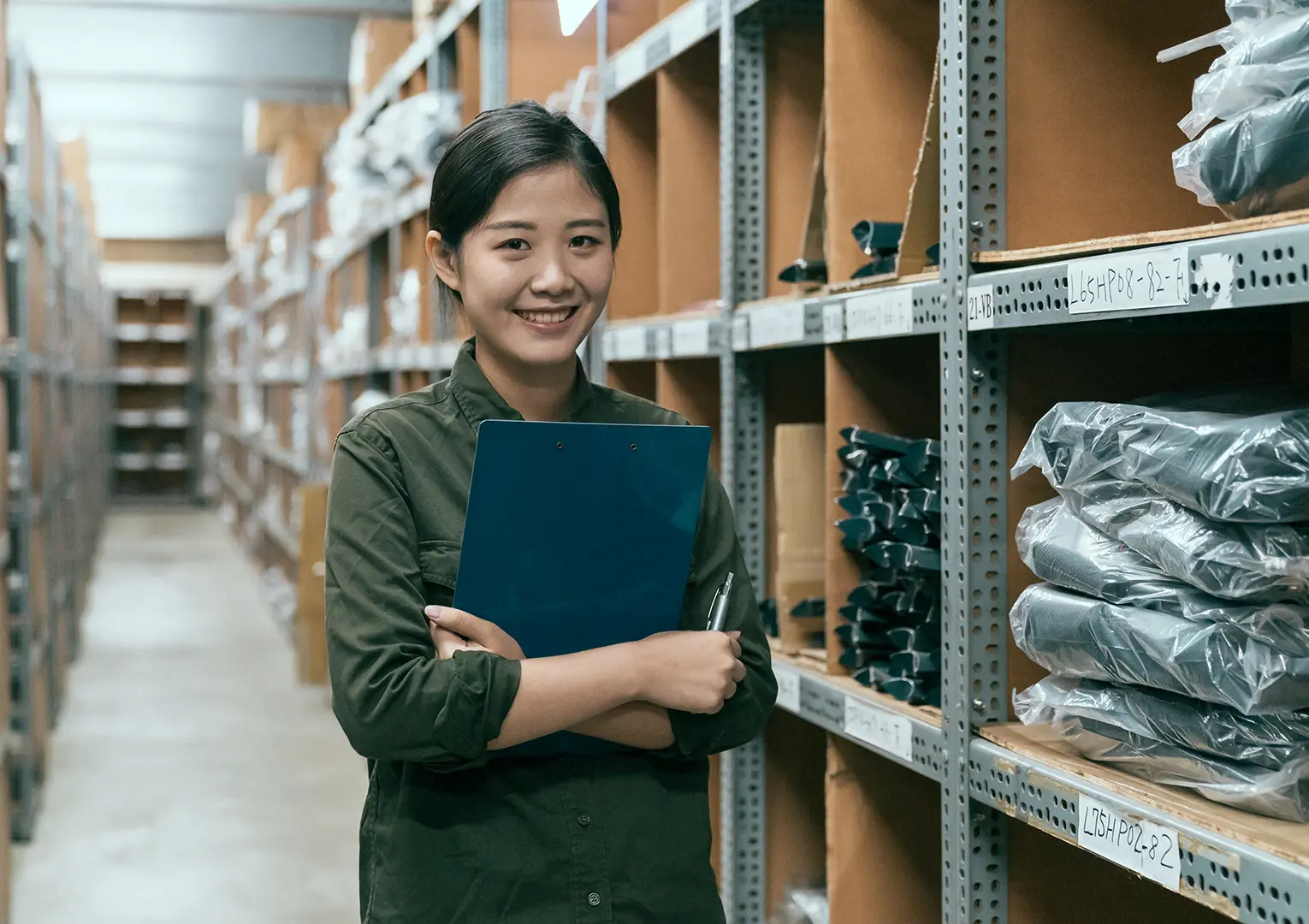
Judging from their activities, producers play an important role in the people’s economy. The following are its main functions and roles.
1. Supplying various goods and services
Producers produce and supply goods or services according to consumer needs, at prices commensurate with the added value provided. When the number of producers increases, the total supply of goods and services also increases.
2. Carry out an entrepreneurial role
Producers are also entrepreneurs. They are the main coordinators in utilizing production factors, including working capital, land, labor, and so on, to be converted into value-added goods or services.
3. Utilize Resources
Producers are those who take the initiative to utilize existing resources, be they economic, natural or human resources. Utilizing resources optimally, efficiently and wisely will in turn contribute to national economic development.
4. Encourage Exports
Export-oriented producers can help the country reduce the balance of payments deficit by encouraging exports. That way, the country’s foreign exchange reserves are safe and even increase automatically.
5. Increase Income and Absorb Labor
Through the production process, producers try to provide added value to the value of previous goods or services so that the value of the goods or services also increases.
As it increases, producers can provide and open employment opportunities and become a forum for economic activities that are beneficial to society.
6. Increase demand for production factors
Indirectly, producers will create derivative demand for production factors. For example, when they need capital they will use banking services, when orders are overflowing they need to buy machines, or because they are overwhelmed they have to recruit new workers.
7. Maintain Ethical Behavior
Producers who understand the code of ethics really understand that the production process is not always about money and profit. They also try to guarantee quality, create something that can help overcome existing problems, and educate consumers in honest and correct ways.
That’s a bit of information about the manufacturer. Like those of you who are currently on the same path, let’s use technology to manage production factors that support business. For example, by using the Labamu application which accommodates all business needs in just one application. Come on, now via Google Play or App Store!