Starting and managing an MSME is a journey full of challenges and learning. For many entrepreneurs, this journey often begins with a myriad of doubts and uncertainties regarding both technical and strategic aspects. It’s not uncommon for numerous questions about the business to linger, demanding answers.
Finding the right answers to various operational challenges is key to ensuring businesses not only survive but also grow sustainably amidst increasingly competitive markets. To help MSMEs continue operating optimally, check out the most frequently asked business questions here.
Frequently Asked Questions About MSME Businesses

During the growth phase of MSMEs, business owners often face challenging situations that require a deep understanding of business management. The following business questions are compiled based on the most common real-world challenges:
1. How to Differentiate Personal and Business Finances?
This is the most basic yet crucial question. Many MSMEs fail because they mix personal funds with business funds. The answer lies in having separate bank accounts and maintaining disciplined record-keeping.
As a business owner, you should set a salary for yourself so you don’t take money from the cash register every time you need something personal. This separation allows you to clearly see whether the business is truly generating profits or experiencing hidden losses.
2. When is the Right Time to Take Care of Business Legality?
Ideally, legal documents such as a Business Identification Number (NIB) should be obtained as soon as possible after a business begins operations. Legality is not only a matter of legal compliance, but also a prerequisite for accessing capital from banks, participating in government tenders, or collaborating with major retailers.
Currently, obtaining business permits is much easier through the Online Single Submission (OSS) system. This means there’s no longer any reason for businesses to delay securing legal certainty.
3. Why is it difficult to sell a product even though the quality is good?
This question about business comes up frequently. In reality, product quality is only one aspect of success. Often, the problem lies in marketing and product positioning (branding).
Have you targeted the right market? Is the packaging attractive? Or is customer access to purchasing the product too complicated?
In business, customer perception of a product’s value is often more important than its technical quality. Do a little research to understand what customers really want.
4. How to Determine a Selling Price to Maintain Profit?
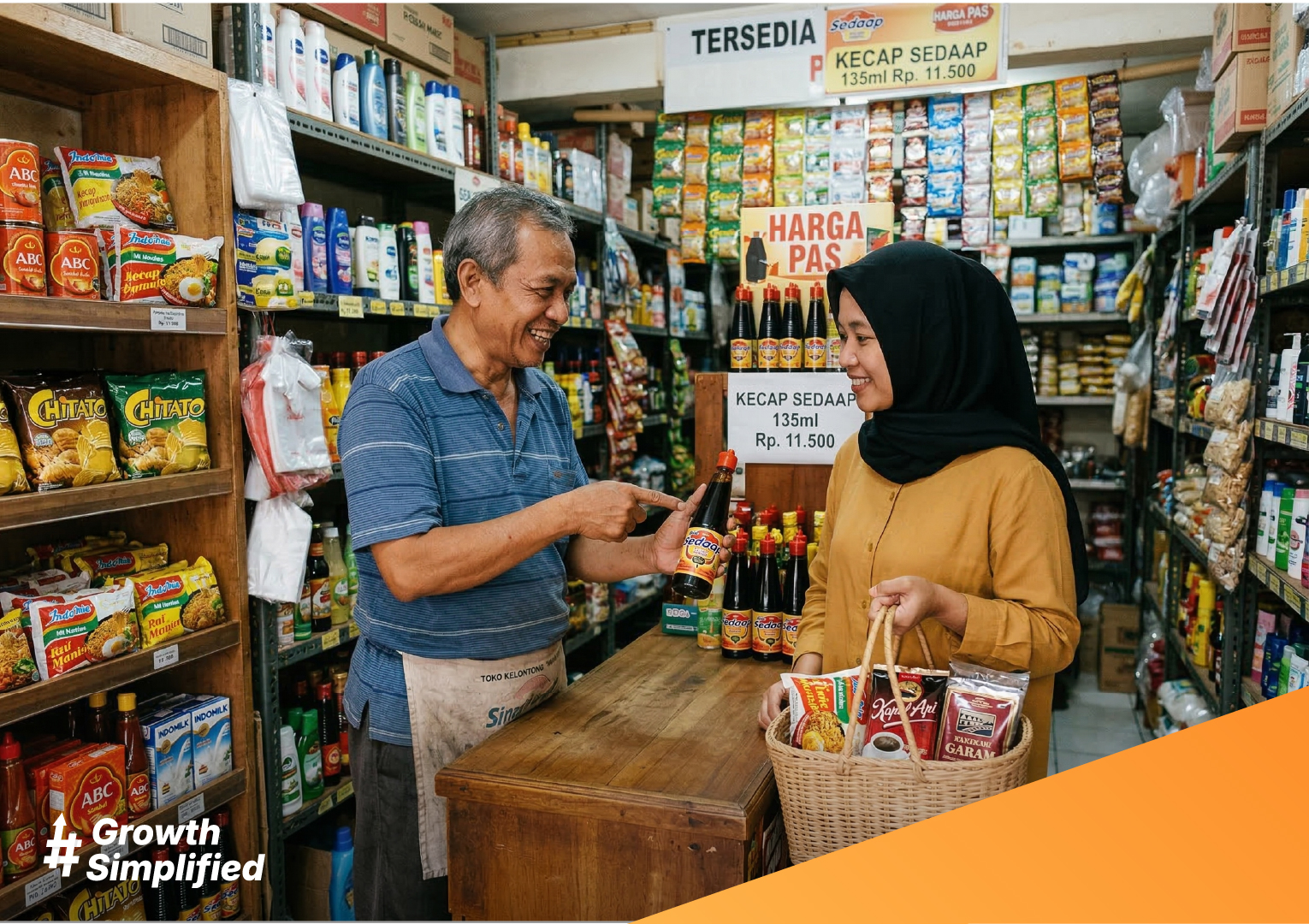
Many MSMEs determine prices solely by looking at competitors’ prices. The correct approach is to calculate the Cost of Goods Sold (COGS) in detail, including the costs of raw materials, labor, packaging, electricity, and transportation.
Once the COGS is determined, add the desired profit margin. Ensure the price is competitive but still covers all operating costs and provides a healthy profit for future business development.
5. Do Small MSMEs Need to Use a Cashier Application?
The answer is yes. Using a cashier app isn’t about style, but about data accuracy. Manual record-keeping is highly susceptible to miscalculations, lost receipts, or misaligned inventory.
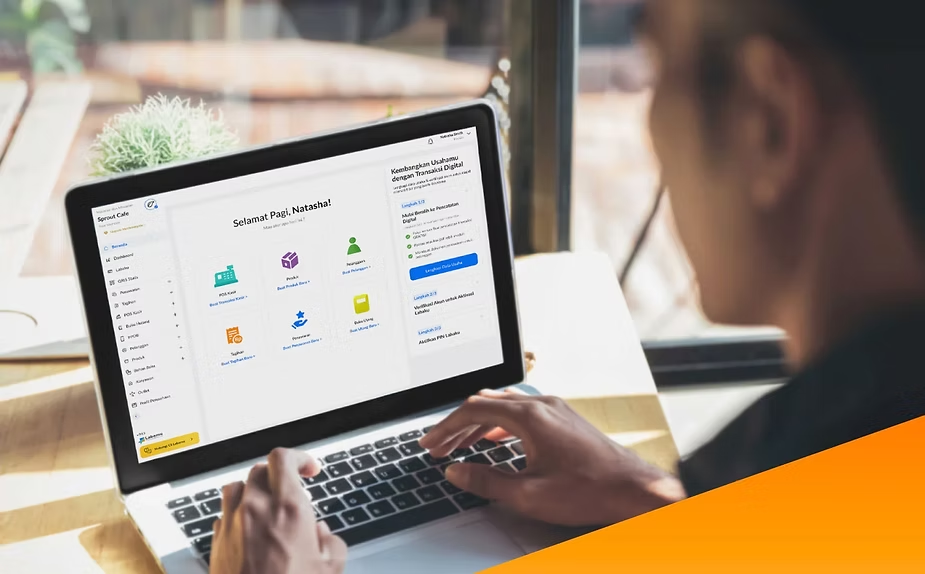
With a cashier app, you can automatically generate daily sales reports, monitor inventory without having to go through the warehouse every day, and maintain a streamlined customer database. This is a technology investment that will save you significant time and effort.
6. How to Manage Stock to Avoid Overstocking?
The issue of piling up inventory is also a common business question. This situation usually arises from a lack of sales history records. You need to know which products are fast-moving and which are slow-moving.
Implement the FIFO (First In First Out) system and regularly conduct stocktakes. With accurate sales data, you can predict when to purchase raw materials or merchandise in large quantities and when to hold back, preventing capital from being wasted in the warehouse.
7. How to Face Price Competition with Big Players?
As an MSME, it’s difficult to win by competing solely on price because larger players have economies of scale. The best strategy is to emphasize unique value propositions, more personalized service, or specialization in a specific market niche.
Customers are often willing to pay more for products that have a story, friendly customer service, or more curated quality than mass-produced products.
8. What Should You Do If Your Cash Flow Is Disrupted?
If expenses exceed income, conduct a cost audit immediately. Identify costs that can be reduced without compromising product quality. Additionally, ensure that customer invoices (receivables) are promptly collected.
Cash flow problems are often caused by a large amount of unsold inventory or a large number of unpaid customers. Focus on cash sales to restore your business’s cash flow in the short term.
9. How to Expand the Market Outside the Region?
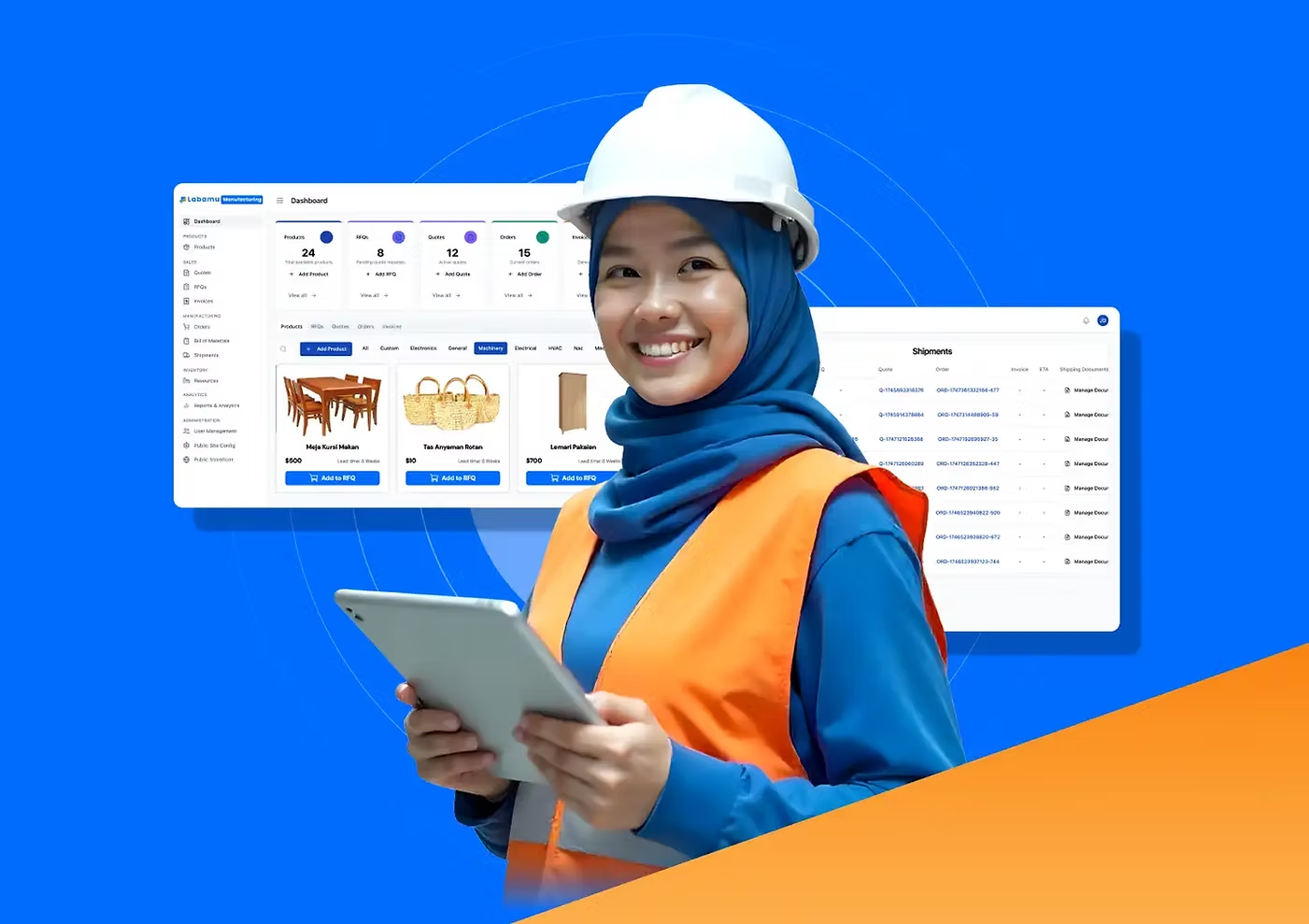
In the digital age, expanding your market can begin by entering the marketplace ecosystem and leveraging social media. Ensure you have a robust logistics system and secure packaging for long-distance shipping. Furthermore, digitizing operational management will make it easier to monitor branches or warehouses in different locations without requiring a physical presence at all times.
Digital Transformation of MSMEs with Solutions from Labamu

Answering the various business questions above often leads to one conclusion: the importance of an integrated management system. Without the help of technology, business owners will always feel overwhelmed by day-to-day administrative tasks, leaving them with no time to think about broader business development strategies.
That’s why the Labamu app is here as a trusted partner for businesses in Indonesia. Through its POS (Point of Sales) solution, Labamu helps you instantly address financial and operational management challenges.
You no longer need to worry about messy records or inaccurate inventory. Labamu’s POS Cashier feature offers the following benefits:
- Accurate sales recording: Monitor every incoming transaction automatically and neatly.
- Instant financial reports: Get daily profit and loss reports that help you make business decisions faster.
- Inventory management: Control stock of goods in real-time to avoid the risk of overstock or loss of goods.
- Ease of payment: Facilitate customers with a variety of secure and modern digital payment methods.
It’s time to switch to a smarter and more efficient way of managing your business. Want more professional, headache-free business management? Labamu is the solution!