Omnichannel strategy is no longer a concept relevant only to large corporations. Amid increasingly digital consumer behavior, small and medium-sized businesses must also adapt to remain competitive.
The good news is that you don’t need a large investment or complex technology to get started. With the right approach, an omnichannel strategy can actually become a cost-effective way to enhance customer service while maintaining business profitability.
Many SMEs in Indonesia still rely on marketplaces and super apps to reach customers. While this approach is effective for visibility, it often eats into profit margins due to commissions, service fees, and advertising costs.
This is where the importance of building your own channels and managing the customer experience in a more integrated way comes in.
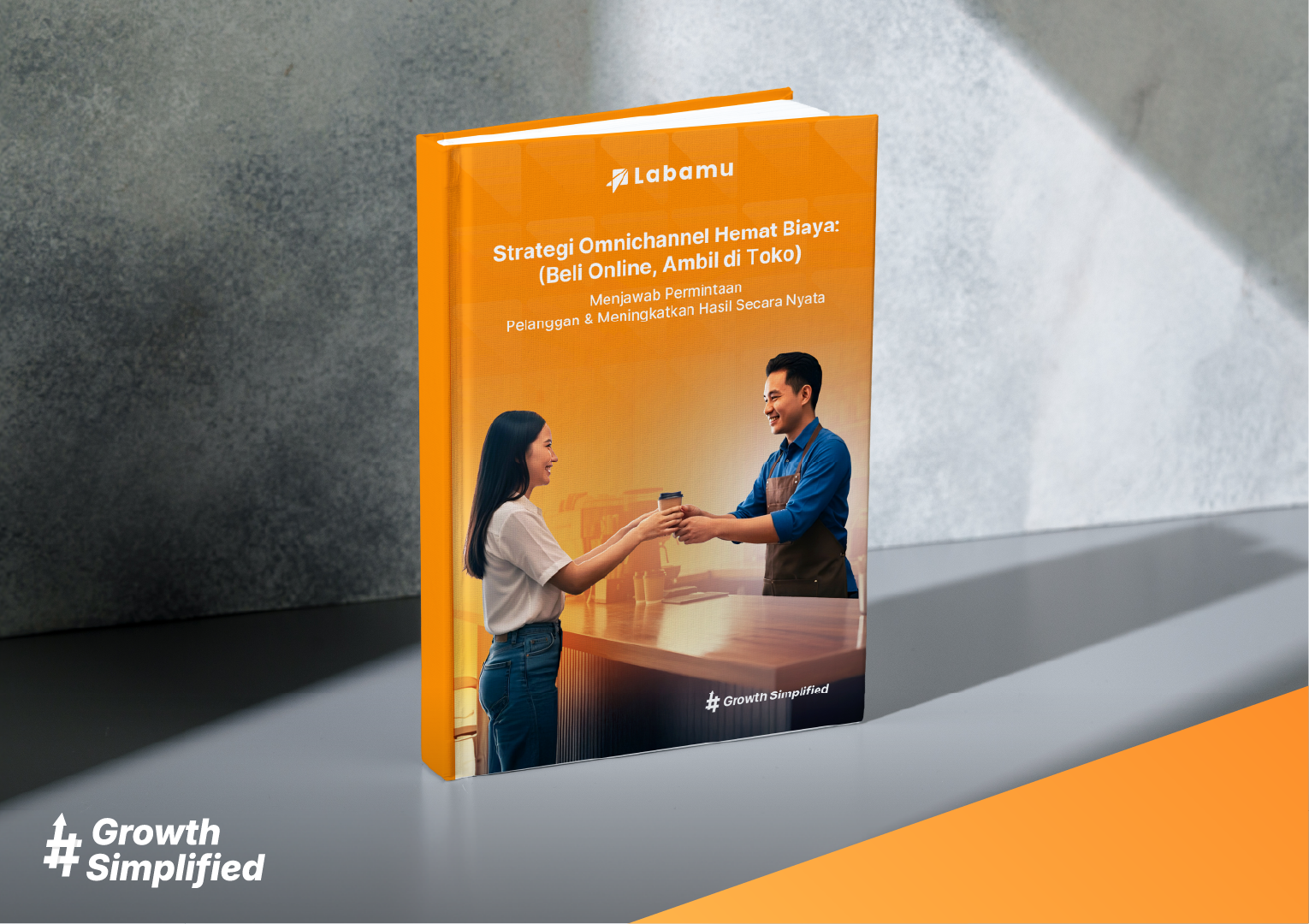
To help SMEs understand and implement this approach, Labamu presents a practical guide specifically designed to meet the needs of small and medium-sized businesses.
Cost-Effective Omnichannel Strategies for SMEs
When hearing the term omnichannel, many business owners immediately imagine expensive systems, complex integrations, and the need for a large IT team. In reality, the essence of an omnichannel strategy is far simpler.
At its core, it is about delivering a consistent and seamless shopping experience across multiple channels, both online and offline. Today’s customers no longer think in terms of “physical stores” or “online stores.”
They may discover products through social media, ask questions via chat, make digital payments, and then pick up their purchases in-store. All of this has become part of everyday consumer behavior.
If your business can follow this pattern, you are essentially already on the omnichannel path.
The challenge is that many SMEs hesitate to get started, fearing higher operational costs. In fact, with the right model, omnichannel can actually help reduce expenses.
One of the most relevant examples is the “Buy Online, Pick Up In Store” (BOPIS) system. This approach allows customers to order products digitally while picking them up directly at a physical location.
For customers, this saves on shipping costs and provides instant satisfaction. For businesses, it reduces last-mile logistics burdens, increases in-store traffic, and creates opportunities for additional purchases when customers visit.
This is why an omnichannel strategy doesn’t have to be expensive. By leveraging assets you already have—such as inventory, physical stores, and digital communication channels—you can create a more modern shopping experience without a significant increase in costs.
Why SMEs Need to Take Action Now

Customer behavior doesn’t wait for businesses to be ready. Consumers are already accustomed to digital convenience, cashless payments, and flexible options for pickup or delivery.
If your business hasn’t adapted to this pattern, there is a risk of losing relevance.
The true advantage of SMEs lies in their flexibility. Compared to large corporations, you can move faster, experiment, and adjust processes without lengthy bureaucracy. A cost-effective omnichannel strategy fits this characteristic perfectly.
Moreover, the benefits are often realized faster than expected. Increased store traffic, impulse purchases during pickup, and logistical efficiencies can have an immediate impact on your business’s cash flow.
Omnichannel is no longer just a trend—it has become a market expectation. SMEs that start early have a greater chance of building customer loyalty before competitors catch up.
Omnichannel Strategy as a Foundation for Growth
“Buy Online, Pick Up In Store” is not the end goal, but rather an entry point into a more mature omnichannel ecosystem. Once this model runs smoothly, SMEs can gradually expand their services according to their business capacity.
Some realistic developments include:
1. Ship from Store – Online orders are fulfilled directly from the nearest store’s inventory. This speeds up delivery times while reducing the need for a centralized warehouse.
2. Same Day Delivery. With the well-established motorcycle courier ecosystem in Indonesia, fast delivery services are much more accessible, even for small businesses.
3. Reserve Online, Try In-Store – This model is particularly effective for fashion or lifestyle products. Customers can check product availability before visiting, while businesses can reduce the risk of returns.
4. Loyalty Integration with Pickup – Offering discounts or special rewards for in-store pickups can encourage repeat orders while boosting customer engagement.
All of these steps can be implemented gradually without a large investment. The key is to start with the simplest model that delivers quick impact.
Labamu Launches Omnichannel eBook
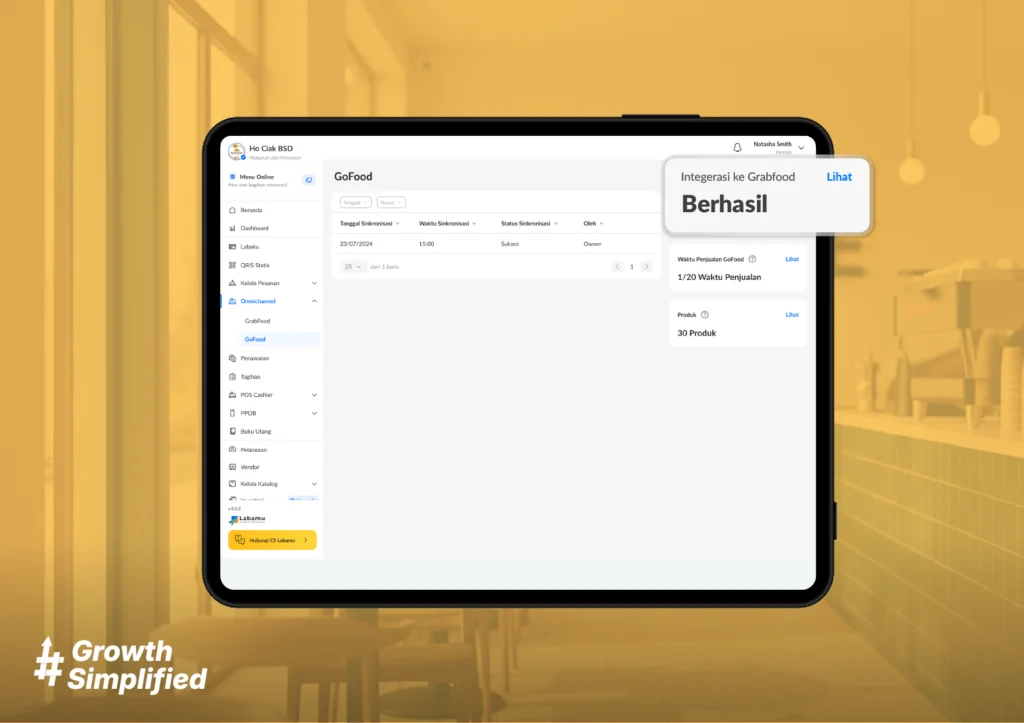
Recognizing this significant potential, Labamu has launched an Omnichannel eBook specifically designed to help SMEs build an omnichannel strategy in a realistic and cost-effective way.
This eBook goes beyond theory, offering practical guidance that can be directly applied to daily business operations. One of its main focuses is showing how SMEs can compete more effectively without having to replicate the models of large corporations.
Instead of chasing expensive, advanced technology, the eBook encourages you to optimize processes, workflows, and the use of affordable tools.
The eBook explains that an omnichannel strategy isn’t about being “perfect across all channels,” but about creating a relevant and efficient experience for customers. With this approach, even small businesses can appear professional, responsive, and modern.
Inside, you will find discussions on:
- Why the “Buy Online, Pick Up In Store” Model Is Ideal for SMEs
- Common challenges such as overselling and how to prevent them
- A simple operational blueprint without expensive inventory systems
- Real-world case studies from various types of businesses
- Quick wins that can immediately boost business performance
The approach used in this eBook is highly practical. Instead of being burdened with complicated technical jargon, you are guided to understand concepts through concrete examples that are closely aligned with the reality of SMEs in Indonesia.
Omnichannel Strategy to Help Reduce Dependence on External Platforms
One of the biggest challenges SMEs often face is shrinking margins due to platform fees. Marketplaces and super apps do provide access to a wide market, but sales commissions can reach double digits. Coupled with advertising costs, net profits often do not match the increase in revenue.
A smart omnichannel strategy doesn’t mean abandoning major platforms, but using them strategically. Marketplaces can serve as a channel for acquiring new customers. Once customers become familiar with your brand, subsequent transactions can be directed to your own channels, such as your website or WhatsApp Business.
This model helps you maintain margins while building direct relationships with customers. You gain greater control over the shopping experience, promotions, and loyalty programs.
Labamu’s eBook explores this hybrid approach in depth. You’ll learn how to balance visibility on major platforms with efficiency on your own channels. In this way, your business can grow without excessive cost pressures.
Time to Start with the Right Steps!
Building an omnichannel strategy doesn’t have to be complicated or expensive. With the right understanding, you can leverage existing resources and turn them into a competitive advantage.
This is why having a clear, practical, and relevant guide tailored to the conditions of SMEs in Indonesia is so important.
If you want to learn how to implement an omnichannel strategy realistically, avoid common pitfalls, and discover new efficiency opportunities, Labamu’s Omnichannel eBook is the perfect starting point.
This guide is designed to be easy to understand, practical, and immediately helpful in making smarter business decisions. Don’t wait until competition gets tougher. Download Labamu’s Omnichannel eBook now, and start building a modern, cost-effective, and efficient shopping experience that can take your business to the next level.