In the digital business landscape, one of the key elements that plays an important role in identifying and mitigating potential risks of fraud and financial crime is Know Your Customer (KYC).
Conducting KYC checks is highly valuable for maintaining the safety and security of your business, while also ensuring compliance with applicable laws and regulations.
If you’re not yet familiar with what KYC is and why it’s important for your business, read this article through to the end to get a complete explanation.
The Definition of Know Your Customer (KYC) Is

Know Your Customer (KYC) refers to a framework for verifying customer identities, assessing their risk profiles, and understanding the nature and purpose of their financial activities.
KYC is a mandatory regulatory practice for financial institutions such as banks, brokers, and investment firms. Meanwhile, certain other industries may also be subject to KYC requirements depending on the jurisdiction.
KYC typically involves several procedures, such as the Customer Identification Program (CIP), Customer Due Diligence (CDD), and ongoing monitoring or Enhanced Due Diligence (EDD).
1. Customer Identification Program (CIP)
CIP aims to ensure that only legitimate customers can access services. At a minimum, there are four key pieces of information used to identify individual customers, namely:
- Full Name
- Date of Birth
- Residential or Business Address
- Nomor identifikasi dari kartu identitas yang dikeluarkan pemerintah, seperti KTP, SIM, atau paspor
The company must then verify this information using a risk-based procedure, which may include requesting additional documentation.
For corporate clients, institutions may require documentation such as a business registration certificate to verify the entity’s name, address, and ownership or control structure.
In addition to document-based methods, many institutions also rely on non-document verification, such as direct contact or cross-referencing information with government lists and public databases.
2. Customer Due Diligence (CDD)
CDD builds on the information gathered during the CIP to assess a customer’s risk level and determine the appropriate level of monitoring. This process may involve collecting additional information about their financial history, source of funds, activities, and the purpose of specific transactions.
The purpose of CDD is to gather sufficient information to understand a customer’s financial behavior, assess their risk profile, and ensure the institution can effectively monitor for suspicious activities.
3. Enhanced Due Diligence (EDD)
EDD involves a set of intensive measures applied to high-risk customers identified during CDD. It aims to manage the elevated risks detected during standard due diligence.
This process involves more detailed background checks, verification of the source of funds and wealth, and closer monitoring of transactions.
Institutions may need to collect additional documentation, such as bank statements, business records, tax filings, or even affidavits confirming the legitimacy of a customer’s wealth.
Benefits of KYC Checks
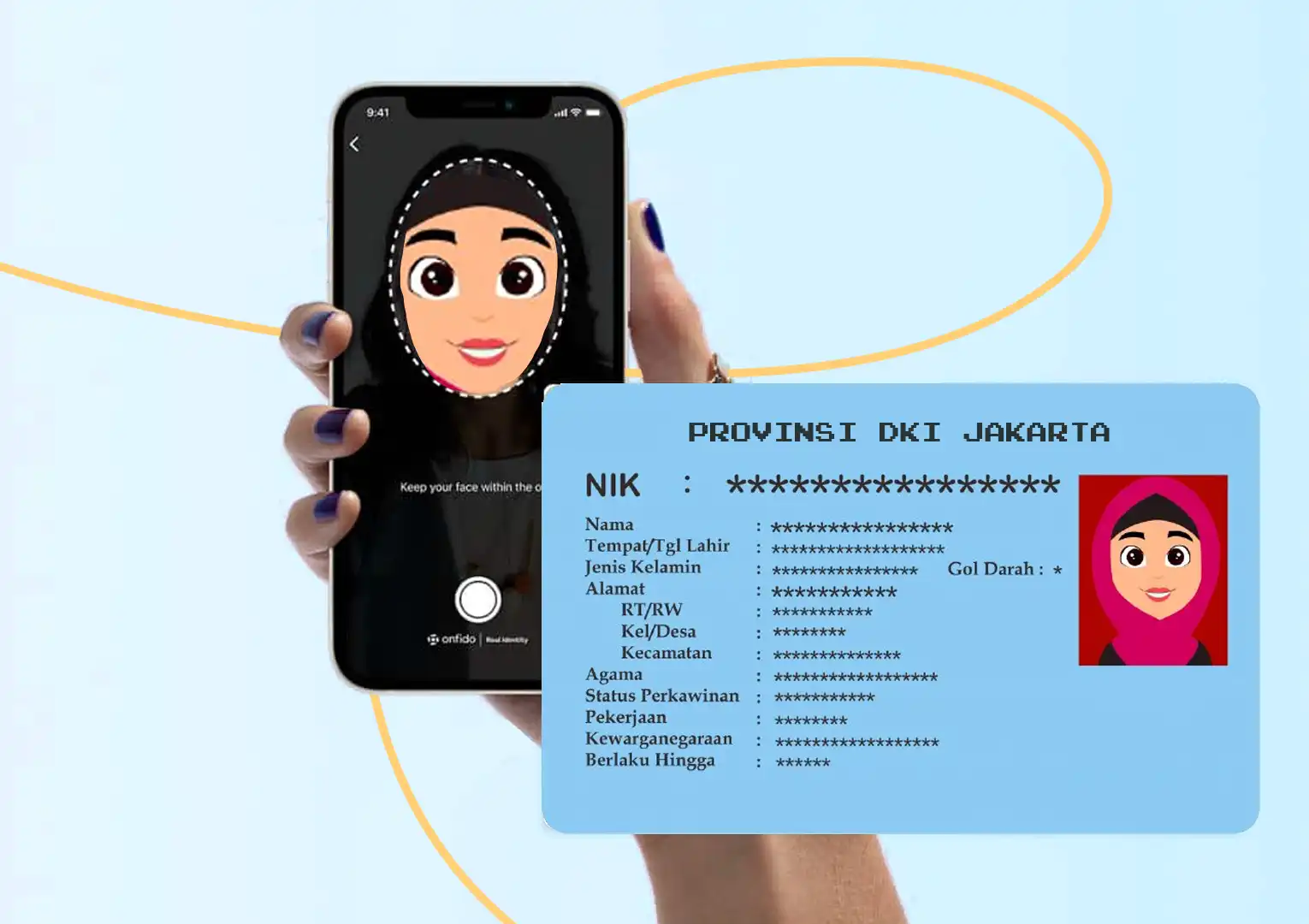
Here are four key reasons why KYC is so important:
1. Protecting Data and Transaction Security
By implementing KYC, service providers can ensure that accounts are genuinely owned by legitimate individuals. This verification helps protect users’ personal data from identity theft or unauthorized access.
Additionally, users’ financial transactions become more secure, as the system can detect suspicious activities from the outset.
Without KYC, digital platforms are vulnerable to hacking, account misuse, and manipulative practices that can harm users.
2. Know Your Customer as a Form of Compliance with OJK and the Personal Data Protection Law (PDP)
Implementing KYC is not only about technical security but also a form of compliance with various national regulations.
In Indonesia, the Financial Services Authority (OJK) requires financial institutions and digital service providers to carry out KYC processes as part of good and responsible governance.
Meanwhile, the Personal Data Protection Law (PDP) requires companies to manage personal data in a transparent, lawful, and secure manner.
Thus, KYC serves as an initial step to ensure that the collection of user data is conducted correctly and in compliance with the law.
3. Preventing Account Misuse and Fraud
KYC is essential in preventing digital crimes such as identity fraud, money laundering, and the creation of fake accounts. Comprehensive verification allows platforms to screen out users who may engage in harmful or criminal activities.
In the event of a violation, the system can trace the perpetrator more easily thanks to the documented identity data. This also provides additional protection for other users against potential service abuse.
4. Unlocking Access to More Comprehensive Service Features
One practical benefit of completing the KYC process is gaining access to a wider and more flexible range of service features.
For example, verified users can enjoy higher transaction limits, easier fund withdrawals or deposits, and access to other premium services.
This can serve as an incentive for users to complete the verification process and build a safer, more trusted relationship with the service provider.
KYC Process in Labamu App
To ensure that you, as a Labamu app user, are verified and able to access all features, here are the KYC steps you need to follow:
- Prepare your e-KTP for verification, then click “Start Account Verification.”
- Get ready to take a face selfie . Make sure you are in a well-lit room.
- Capture a headshot. Ensure your face is clearly visible, directly facing the camera, and not obstructed by any accessories.
- Review your photo. Click “Next” to proceed to the following step.
- Prepare your e-KTP. For best results, place the ID on a flat surface.
- Take a photo of your e-KTP, making sure it is fully within the frame and not cropped.
- Once your e-KTP photo has been processed, confirm and complete your personal information as shown on the ID. Then click “Continue.”
- Don’t forget to complete your business information as well. Then click “Continue.”
- Also complete any additional supporting information. Then click “Continue.”
- Review and confirm the information you have entered. If everything is correct, click “Submit Data.”
- Your data has been successfully submitted and is being processed. Once verification is complete, you can start using Labamu immediately.
Benefits of a Verified Account
Once you’ve completed the KYC process and your Labamu account is verified, here are the benefits you will enjoy:
- Withdraw funds and conduct transactions.
- Register and get the QRIS feature for business transactions.
- Avoid restrictions on in-app withdrawal features.
That concludes the explanation of Know Your Customer (KYC). While not mandatory, it is recommended that you verify your Labamu account to ensure protection and to enjoy digital services safely, securely, and reliably.
You can also freely access all features in Labamu, from the POS Cashier, Digital Products, QR Menu, and Order Management, to business operations tools like Labamu Staff, Reports, and Debt Ledger.
So, make sure to verify your Labamu account to enjoy a smoother and easier experience using the app!