
The increase in raw material prices is a serious challenge for culinary MSMEs in Indonesia. Profit margins in the restaurant and food businesses are notoriously thin, on average only around 3–5%. With limited room for movement, even a slight increase in raw material costs can immediately erode profits.
It is not surprising that many food business owners currently feel pressured by inflation, rising prices of basic commodities, and supply chain uncertainty. In the midst of global economic conditions influenced by trade tariffs and distribution disruptions, food costs are expected to continue to increase.
However, the good news is that price increases do not always have to be passed on directly to customers through menu price increases. With the right strategy and use of technology, you can still maintain profit margins without sacrificing customer satisfaction.
Impact of Rising Raw Material Prices for Culinary MSMEs
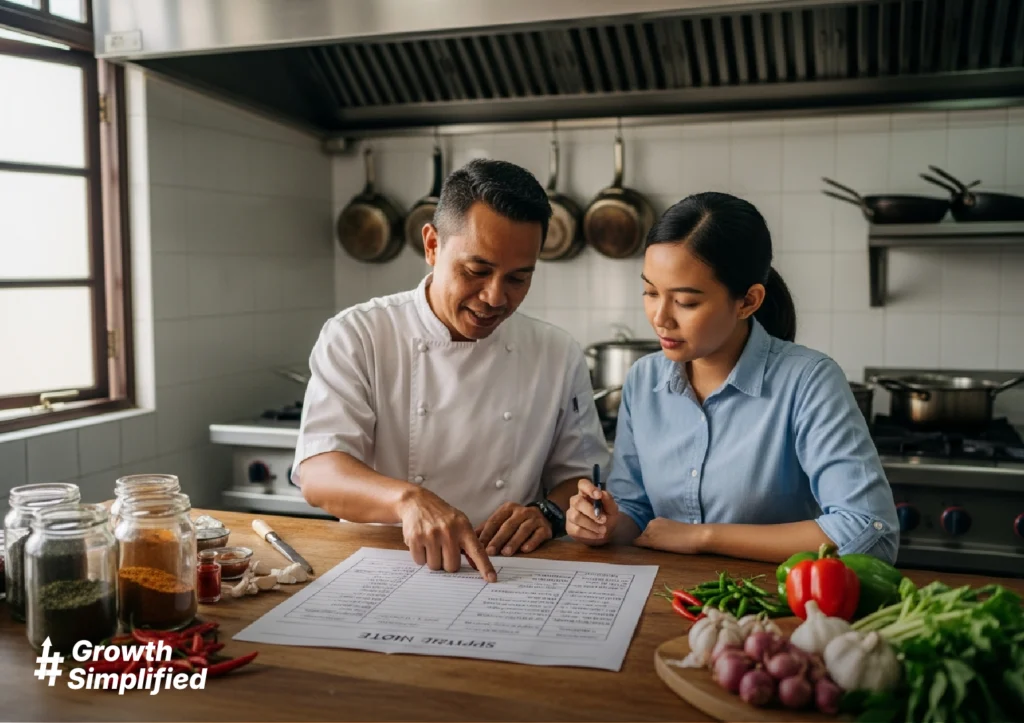
The increase in prices of raw materials such as rice, cooking oil, meat and kitchen spices has a direct impact on MSME cash flow.
Unlike large businesses, MSMEs usually do not have large capital reserves or long-term contracts with suppliers. As a result, rapid price changes often force business owners to make difficult decisions, such as reducing portion sizes or increasing menu prices.
In fact, consumers are also facing economic pressure. If menu prices increase too aggressively, the risk of losing loyal customers is enormous. Therefore, the key to survival is not only cutting costs, but also managing operations more carefully and strategically.
Strategy for Dealing with Rising Raw Material Prices Without Increasing Menu Prices
If you don’t want to increase menu prices, here are several ways you can deal with the current increase in raw material prices.
1. Optimize Menus for Healthier Margins
The increase in raw material prices can be offset by optimizing the menu you sell. Many MSMEs do not realize that not all menus contribute the same profit. Some steps you can take are:
- Identify menus with the highest margins, namely those with low production costs but high demand
- Drive sales of featured menus through strategic placement on menu lists or staff recommendations
- Simplify the menu by reducing items that are rarely ordered but take up a lot of raw materials
Too many menus actually increase stock complexity and the risk of waste. By focusing on menus that are truly profitable, you can control costs without having to increase prices.
2. Reduce food waste from the kitchen
In the face of rising prices, food waste is a “hidden enemy” that MSMEs often ignore. Leftover ingredients, excess portions, and expired stock silently erode profits.
Some common causes of waste are overstocks of fresh ingredients that spoil quickly, inefficient food preparation techniques, and inconsistent portion sizes.
The solution is, you can start adjusting ingredient purchases to sales patterns, create clear portion standards for each menu, and train kitchen staff to use ingredients more efficiently.
This simple step can save quite a lot of money in the long run.
3. Renegotiation with Suppliers and Adjust Shopping Patterns
Price increases are not a reason to remain silent with old contracts that are no longer relevant. In times like these, it is important to review relationships with suppliers.
Start implementing new strategies such as comparing prices from several suppliers before purchasing, renegotiating prices, payment schedules or shipping costs, and consolidating orders to get wholesale prices.
You can also consider local suppliers to reduce logistics costs. In addition to saving money, working with local suppliers also often provides fresher quality ingredients and faster response.
4. Take advantage of technology for operational efficiency
Facing rising prices, MSMEs need to work smarter, not harder. Technology can help you understand costs, stock and sales more accurately.
You can take advantage of technology such as stock management systems to monitor inventory in real-time, predict demand based on previous sales data, and digital menus that are easy to update without printing costs.
With neater data, you can make decisions based on numbers, not just estimates.
If You Have to, Increase Menu Prices Strategically
Although the main focus is on holding down menu prices, in some circumstances price increases are still unavoidable. However, the way it is raised really determines customer reactions. The principles you must adhere to are:
- Raise prices gradually, not all at once
- Focus increases on best-selling menus that already have loyalty
- Avoid increases above 2% in one adjustment
- Strengthen menu descriptions so that the product value feels higher
Monitor customer reactions after price adjustments and don’t hesitate to evaluate if there is a decline in sales.
Maintain Customer Satisfaction Amid Price Increases
Increases in raw material prices can be accepted by customers if they are communicated well. Transparency and customer experience are key. The following are several ways you can maintain customer trust:
- Explain honestly the reasons for the increase in costs via social media
- Train staff to answer customer questions politely and convincingly
- Focus on quality of taste, service and atmosphere
Remember, customers are not just buying food, but also an experience. As long as the experience remains memorable, they are likely to keep coming back.
Campaign Management from Labamu Helps MSMEs Stay Competitive
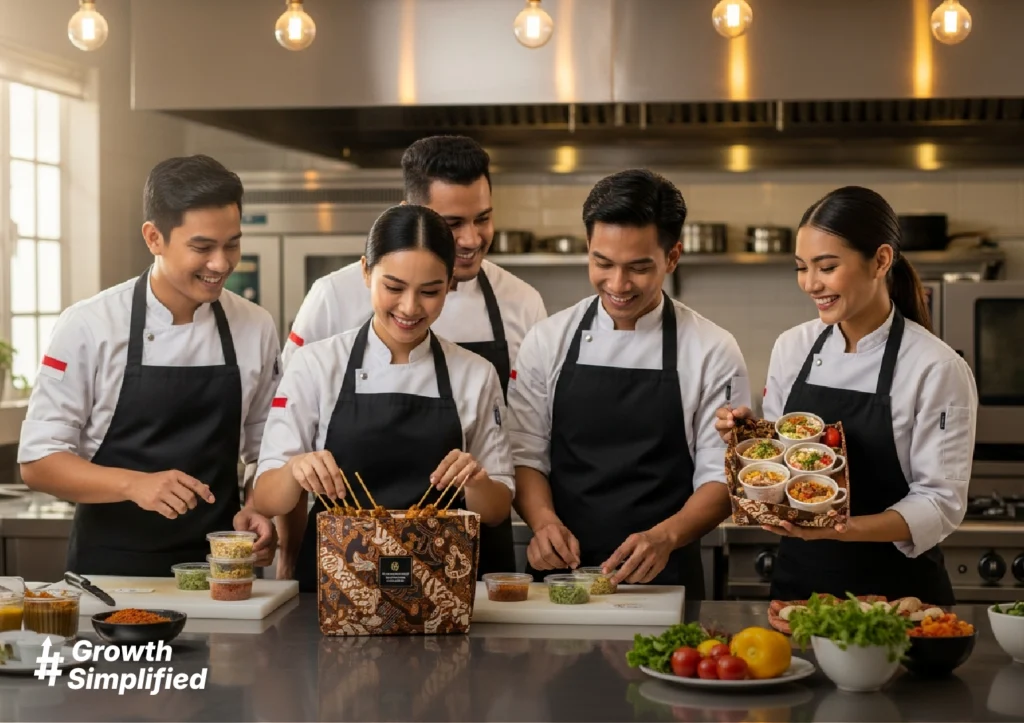
In the face of price increases, targeted promotions become very important. This is what makes Labamu present the Campaign Management feature to help MSMEs run promotions more efficiently without increasing operational burden.
Through just one dashboard, you can:
- Manage promotional campaigns from WhatsApp, SMS and email at once
- Target the right customers with more personalized messages
- Set delivery times to make promotions more effective
- Monitor campaign performance in real-time
With targeted campaigns with the Campaign Management feature from Labamu, you can increase purchasing frequency, maintain customer loyalty, and cover cost differences without having to drastically increase menu prices. Come on, try it now!