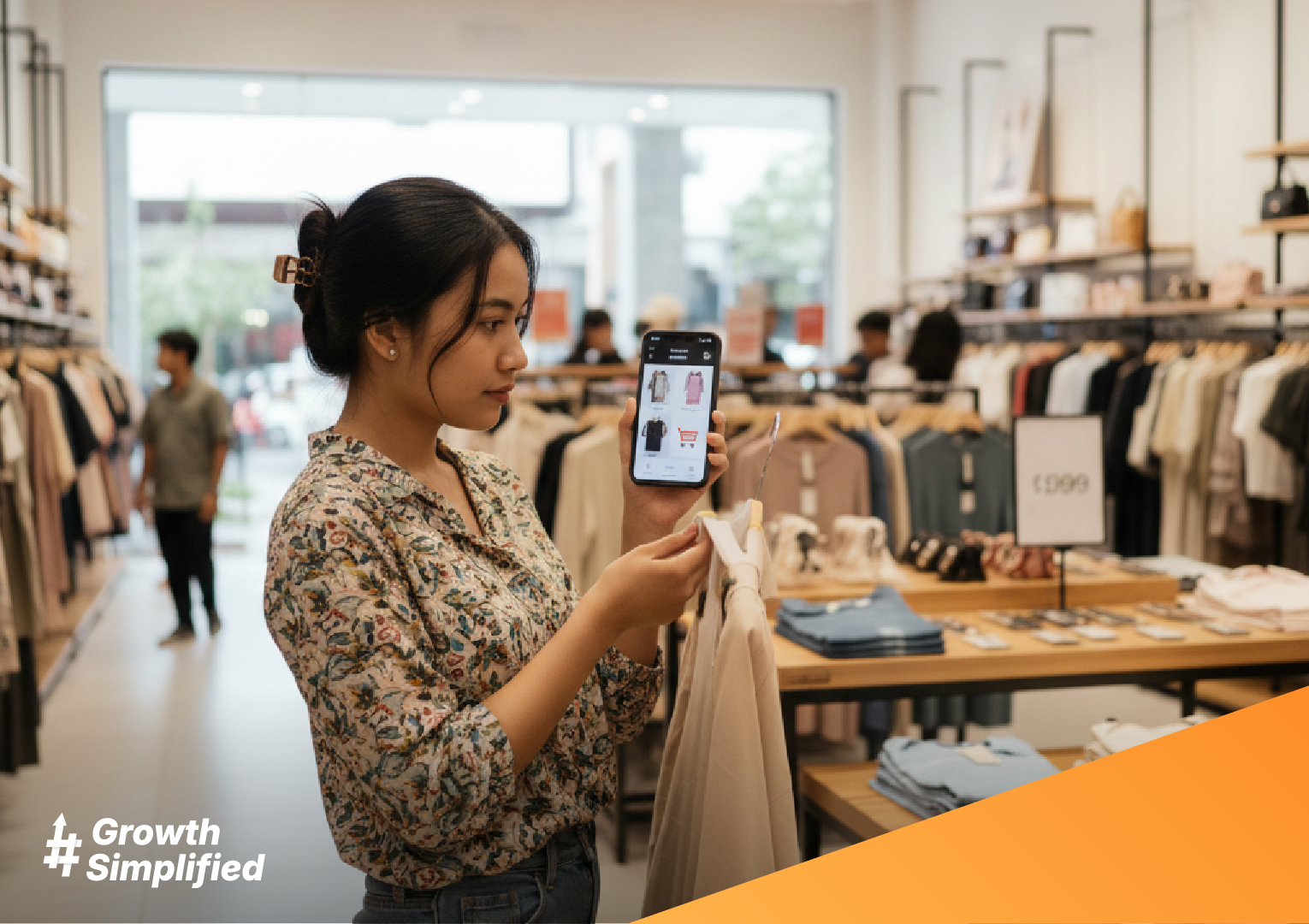
In an increasingly dynamic business landscape, MSMEs can no longer rely on a single sales channel. Shifts in consumer behavior and the rapid adoption of technology are driving new ways of doing business. This is where the hybrid omnichannel business model comes into play—an approach that integrates online and offline sales into a single, seamless strategy. So, how does this model transform the way MSMEs grow and scale? Let’s explore it further here!
What Is a Business Model?
According to Indeed, a business model is a fundamental framework that explains how a company creates value, reaches its customers, and generates profit from its products, services, and customer base—while also defining why consumers choose one brand over another.
More than that, a business model influences nearly every aspect of a business—from sales strategies and customer service approaches to day-to-day operations. That is why a business model cannot remain static.
Investopedia emphasizes that businesses—both startups and established companies—need to regularly review and update their business models to stay ahead of changing trends and evolving market challenges.
The same applies to MSMEs. Shifts in consumer behavior and market dynamics push business owners to adapt if they want to remain relevant. This is where the transformation toward more flexible business models, such as hybrid omnichannel, becomes increasingly important to discuss.
An Overview of the Hybrid Omnichannel Business Model
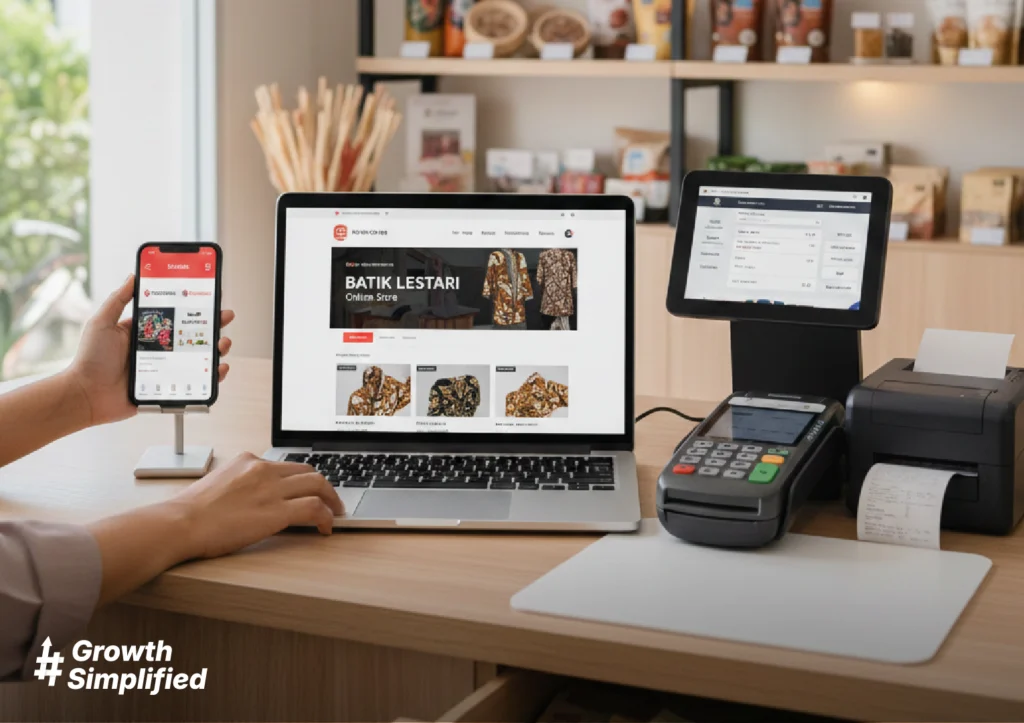
According to DipDop, the hybrid omnichannel business model is a strategy that integrates multiple sales channels—both online and offline—into a single, interconnected system.
This concept differs from a multichannel approach, which simply utilizes multiple sales channels without full integration. In an omnichannel model, the continuity of the customer experience is the primary focus.
In line with this, Corebiz highlights that this business model allows consumers to access multiple platforms while enjoying a consistent experience—without compromising the brand’s identity.
How the Hybrid Omnichannel Business Model Is Transforming MSMEs
The implementation of a hybrid omnichannel business model brings tangible changes to how MSMEs operate. It’s not just about adding more sales channels, but about making the entire business process more connected and efficient.
1. Better Inventory Management
MSMEs that sell through both physical stores and online marketplaces or social media can now consolidate their inventory data into a single system. This means that stock sold online is automatically updated in the store, reducing the risk of overselling or running out of products.
2. More Consistent Customer Service
Customers can inquire via WhatsApp, browse products on Instagram, and then make a purchase directly in-store or on a marketplace—all without “switching brands.” This seamless experience meets the expectations of today’s consumers, who seek convenience and consistency at every touchpoint.
3. Customer Data Becomes Valuable Insights
With integrated sales and customer behavior data, MSMEs can identify which products are most in demand, peak shopping times, and customer preferences. This data-driven approach provides valuable insights that help MSMEs run more targeted and effective promotions.
4. A More Personalized Customer Experience
Amid a sea of choices, consumers tend to prefer brands that feel relevant and understand their needs. Through an omnichannel strategy, MSMEs can deliver a more personalized and consistent shopping experience, both online and offline.
5. Streamlined and Coordinated Operations
With an integrated system, MSMEs no longer need to manage orders, inventory, and reports separately for each channel. Workflows become more organized, administrative time is reduced, and business owners can focus more on product development and growth strategies.
Challenges in Transforming a Business Model and How to Overcome Them

Changing a business model, including transitioning to a hybrid omnichannel approach, is not an instant process. Behind the growth opportunities it offers, MSMEs must also be prepared to face several challenges to ensure a smooth transition.
1. Resistance to Change
Not all team members are immediately ready to adopt new ways of working, as they may be comfortable with existing routines. To address this, clear communication, gradual training, and demonstrating the tangible benefits of the change are essential.
2. Limited Resources and Capabilities
Business model transformation often requires investments in technology, time, and human resources. Therefore, MSMEs need to prioritize the most impactful steps and leverage tools that align with their business capabilities.
3. Operational Complexity
Managing multiple sales channels simultaneously can feel complicated if not well-coordinated, especially for those who are not accustomed to it. However, using an integrated system can actually help simplify cross-channel processes.
4. Balancing Short-Term and Long-Term Goals
On one hand, MSMEs need to maintain cash flow, while on the other, a business model change takes time to show results. Therefore, a gradual, step-by-step strategy is key to keeping the business stable.
5. Customer Resistance
Changes in how products are sold or interactions occur—such as moving from offline to online systems—can make some customers hesitant or feel “disoriented.” It is therefore essential to ensure that the customer experience remains consistent, easy, and valuable.
In conclusion, transitioning to a hybrid omnichannel business model is no longer just a trend—it is a strategic move for MSMEs to remain relevant and competitive. By integrating online and offline channels, you can reach more customers while providing a consistent and seamless shopping experience.
To get started, you can take advantage of Labamu’s E-commerce features. Build your online store in minutes without hassle, customize the appearance to match your branding, accept multiple payment methods, manage real-time shipping, and monitor sales reports—all within a single platform.
It’s time for MSMEs to level up with an online store designed to support your hybrid omnichannel strategy!