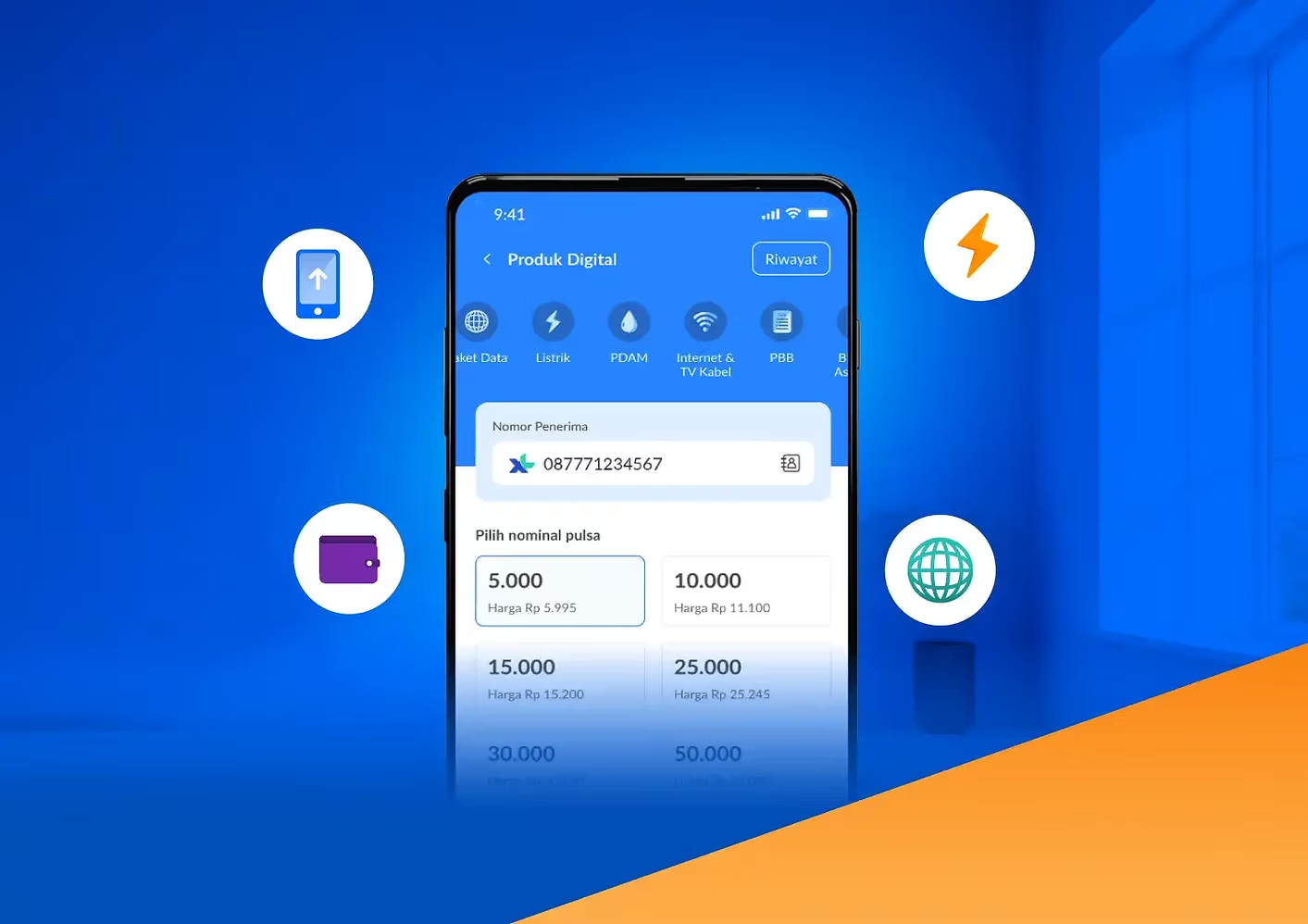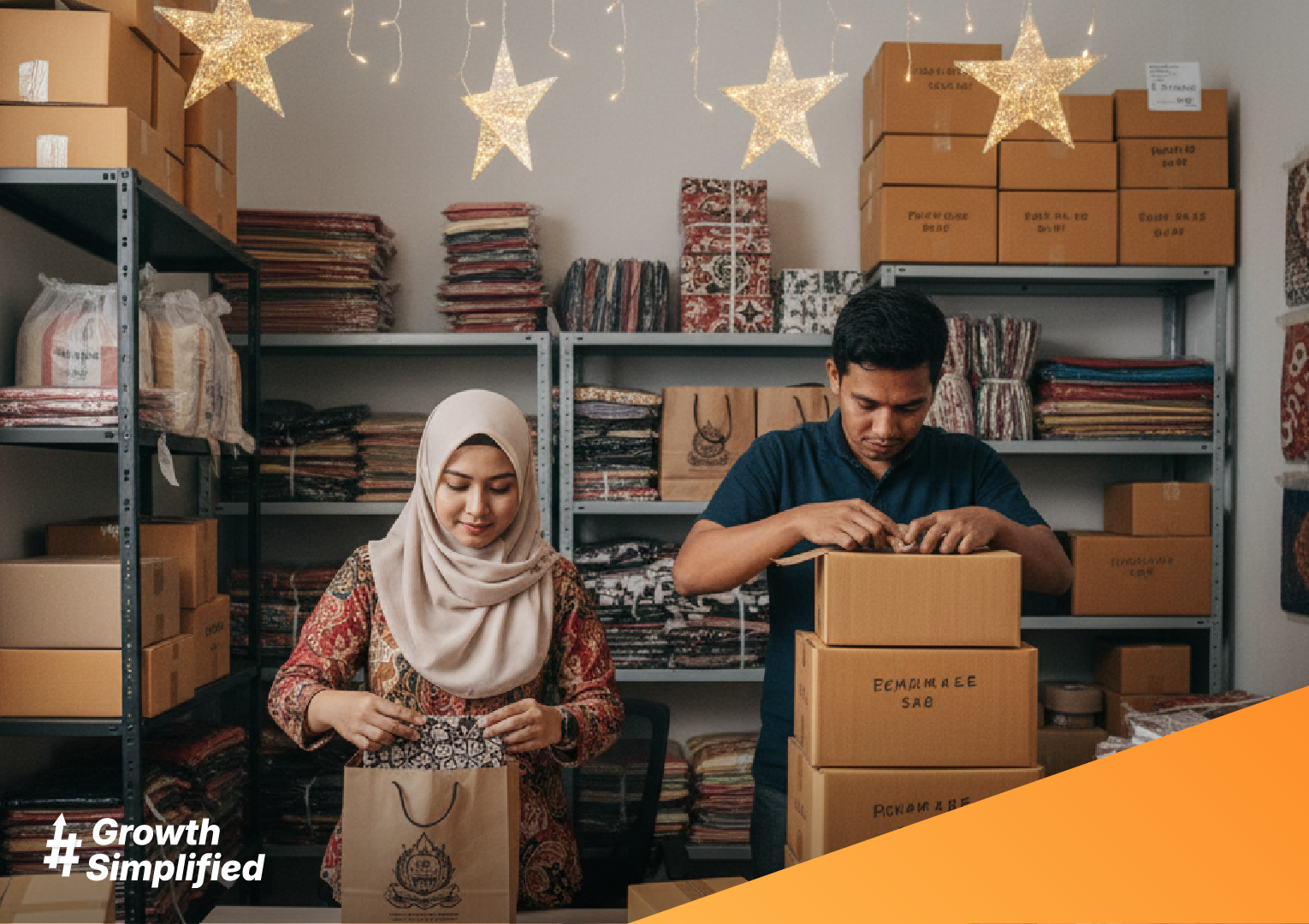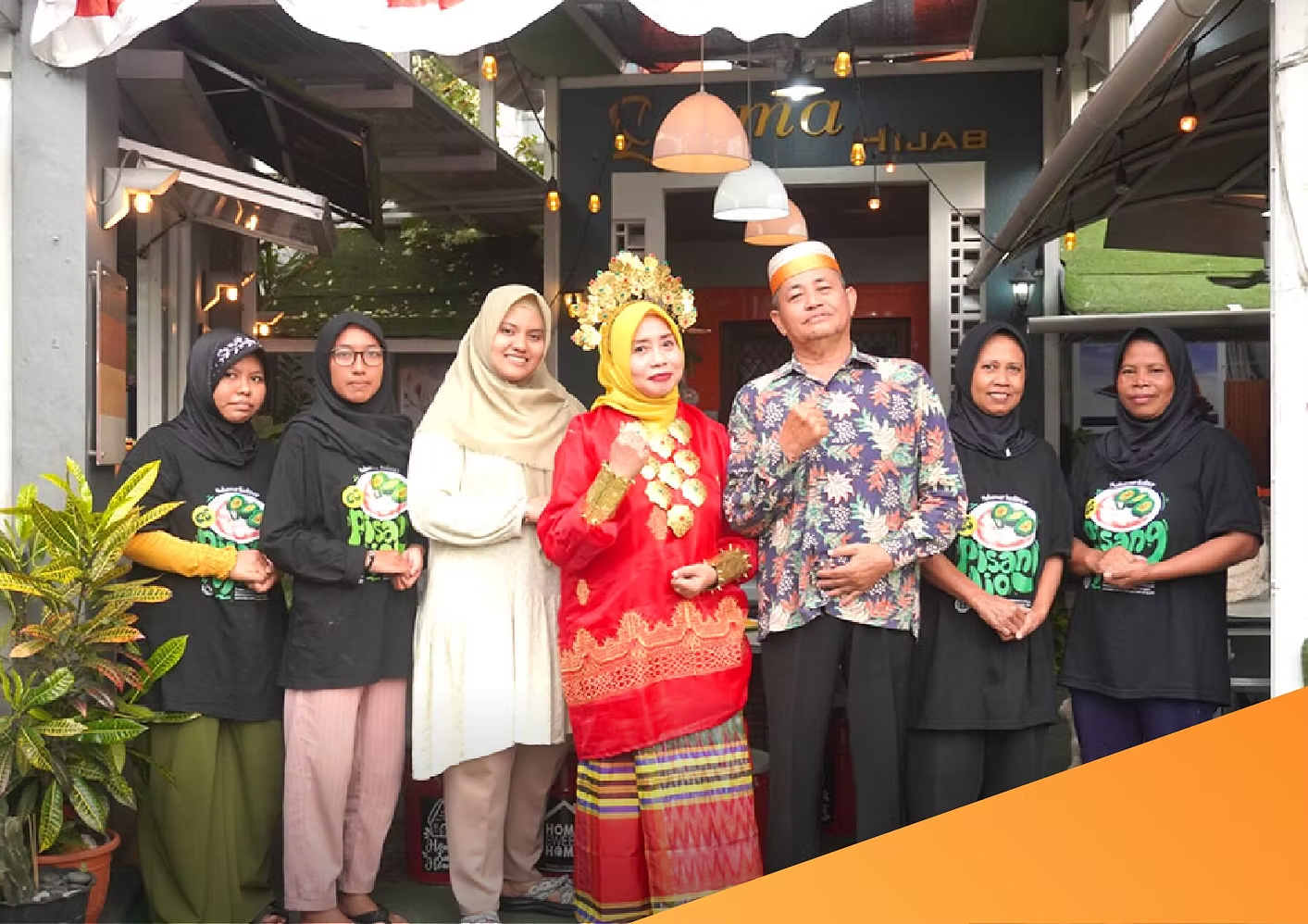
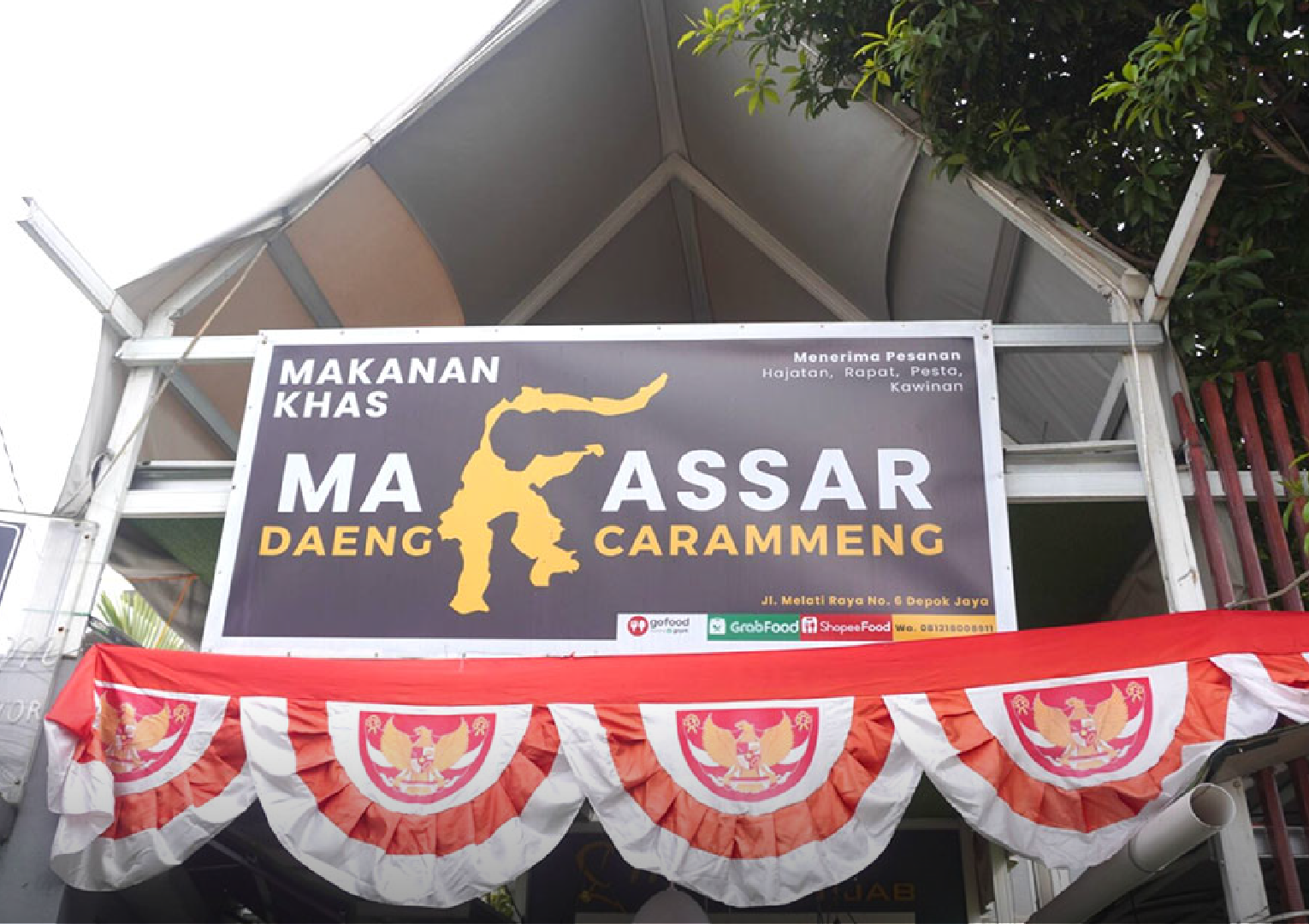
Cashless payments are increasingly becoming a necessity these days, especially for those of you who run a culinary business. That’s what Emma, the owner of a Makassar-style restaurant called Daeng Carammeng in Depok, feels.
Through his experiences and inspiring stories, you can learn how technology can change the way food is sold, making businesses more organized and still able to be monitored even when the owner is away from the location.
The Beginning of a Typical Makassar Food Stall Business
Emma opened her food stall after seeing many people, especially those from Makassar, missing their hometown cuisine. From coto Makassar to pallubasa to konro, her stall offers everything from Makassarese coto to saucy konro.
Her thinking was correct, as it didn’t take long for Emma’s stall to become a favorite spot for many to indulge in authentic Makassar flavors. However, as customers grew, challenges also began to arise.
One of them is about payments and bookkeeping.
Complex Payment and Bookkeeping Challenges
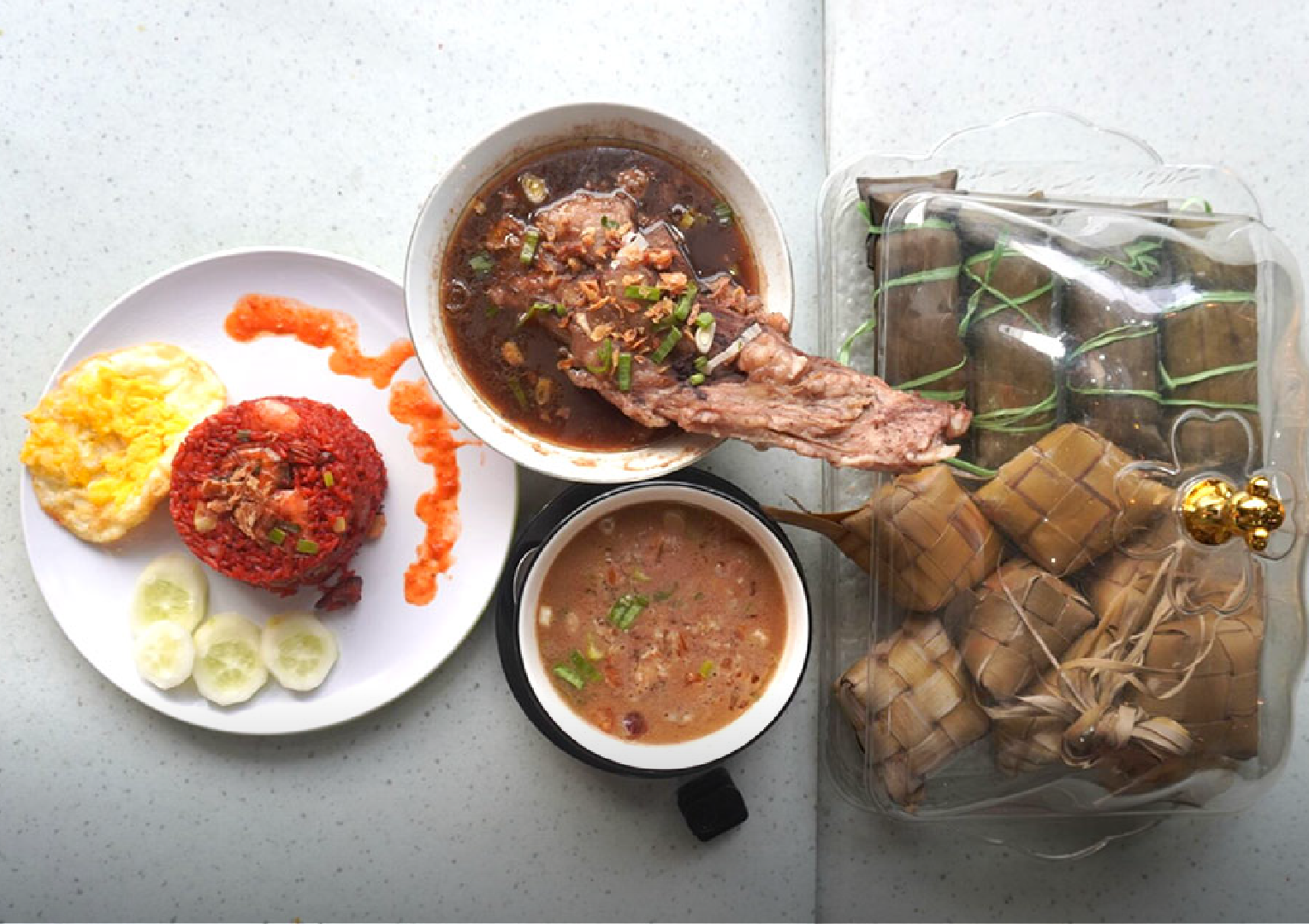
Previously, Emma only accepted cash payments. On the other hand, customers often prefer to pay using modern methods, such as bank transfers or QRIS.
However, as her shop grew busier, manually recording transactions began to overwhelm Emma. Sometimes entries were missed, inventory was incorrect, or financial reports became disorganized.
Another challenge arose when Emma had to travel out of town. Without being on-site, she felt like she was losing control of her own business. Were transactions going smoothly? What was the condition of her inventory? All these questions made Emma anxious.
With Profit, Non-Cash Payments Are Easier
After searching for solutions to all her problems, Emma finally discovered the Labamu app. From there, all her troubles began to be answered.
With Labamu, Daeng Carammeng customers can easily make cashless payments, using QRIS, bank transfers, and other digital methods. This flexibility not only delights customers but also speeds up transactions.
Emma herself no longer has to bother with manual bookkeeping. All transactions are automatically recorded in Labamu and can be monitored via the app, even when she’s away from the shop.
Benefits of QR Menus for Food Stalls
In addition to cashless payments, Emma also utilizes Labamu’s QR Menu feature. This feature allows customers to instantly view the menu simply by scanning a QR code on the table.
In fact, customers can choose their food, place their order, and even pay without having to wait for a waiter, using a QR Menu. Imagine how efficient this would be for a busy restaurant.
This speeds up the ordering process, reduces queues, and makes customers feel more comfortable. For those of you who also run a culinary business, this feature can be a practical way to improve service without having to hire more employees.
Benefits of Using Labamu
There are many benefits that Emma felt after using Labamu, including:
1. Can Control from Anywhere
Hanya dari satu aplikasi, Emma sudah bisa memantau transaksi, laporan penjualan, hingga stok barang lewat smartphone. Bahkan, saat ia sedang di luar kota, semua data bisa dilihat secara real-time.
2. Flexible Non-Cash Payments
Emma’s Labamu allows customers to freely choose the most convenient payment method. Whether using QRIS, bank transfer, or other methods, everything can be done quickly and, of course, securely.
3. A neater bookkeeping process
Because all transactions are automatically recorded in Labamu, Emma no longer needs to worry about financial reports that are often messy.
4. Stock Management Becomes More Efficient
Because Labamu also helps track grocery inventory, Emma knows immediately when to shop again before they run out. So, there’s no more drama about customers’ favorite menu items being unavailable due to running out of stock.
5. Improved Customer Experience
Using a QR Menu allows customers to experience greater convenience by eliminating long wait times. The ordering and payment process is smoother, eliminating miscommunication between customers and staff.
Cashless Payments Help Manage Your Business More Peacefully
With all the benefits above, Emma feels more confident in running her business. She also no longer worries about leaving the shop because she knows everything can be monitored via the app.
Emma’s story demonstrates that technology like Labamu isn’t just for large businesses, but is also suitable for small food stalls and mid-sized restaurants. With a cashless payment system and QR Menu feature, you can manage your culinary business more modernly and efficiently.
The success story of Emma, the owner of the Makassarese restaurant Daeng Carammeng, is clear evidence that digital transformation can help MSMEs thrive. Initially, they only accepted cash and had to record manually, but now everything is more practical thanks to the Labamu app.
With cashless payments, QR Menu, and real-time stock monitoring features, Emma can run her business more calmly, neatly, and in control from anywhere.
If you have a culinary business, it’s time to consider technology like Labamu. Who knows, just like Emma, you might discover how easy it is to manage your business while still focusing on enjoying life.