The culinary business is highly competitive. You have to navigate rapidly changing customer preferences, rising ingredient costs, and relentless competition.
For culinary entrepreneurs, growth isn’t just about survival—it’s about making operations more efficient, improving service, and ensuring customers return happily.
Here are practical strategies you can implement to boost your culinary business, including how to effectively leverage an online reservation system.
Tips for Boosting Your Culinary Business as an Entrepreneur
1. Train Your Staff Effectively
Team training, whether in the front-of-house service (if applicable) or in the kitchen, is the cornerstone of smooth operations. Well-trained staff understand protocols, work more efficiently, and deliver a more polished service.
Use digital systems or checklists to keep every team member informed about the latest procedures. With regular training, efficiency improves, mistakes decrease, and customers enjoy a better experience.
2. Simplify Your Food and Beverage Menu
An overly extensive menu can become a burden, slowing down the kitchen (as staff strive to avoid mistakes), confusing employees, and reducing service speed.
Review your sales data to identify which dishes are bestsellers and which are rarely ordered. Focus on popular dishes that are also easy to prepare.
With a streamlined menu, the kitchen stays organized, ingredient preparation becomes more efficient, and customers receive faster service.
3. Focus on Food Quality
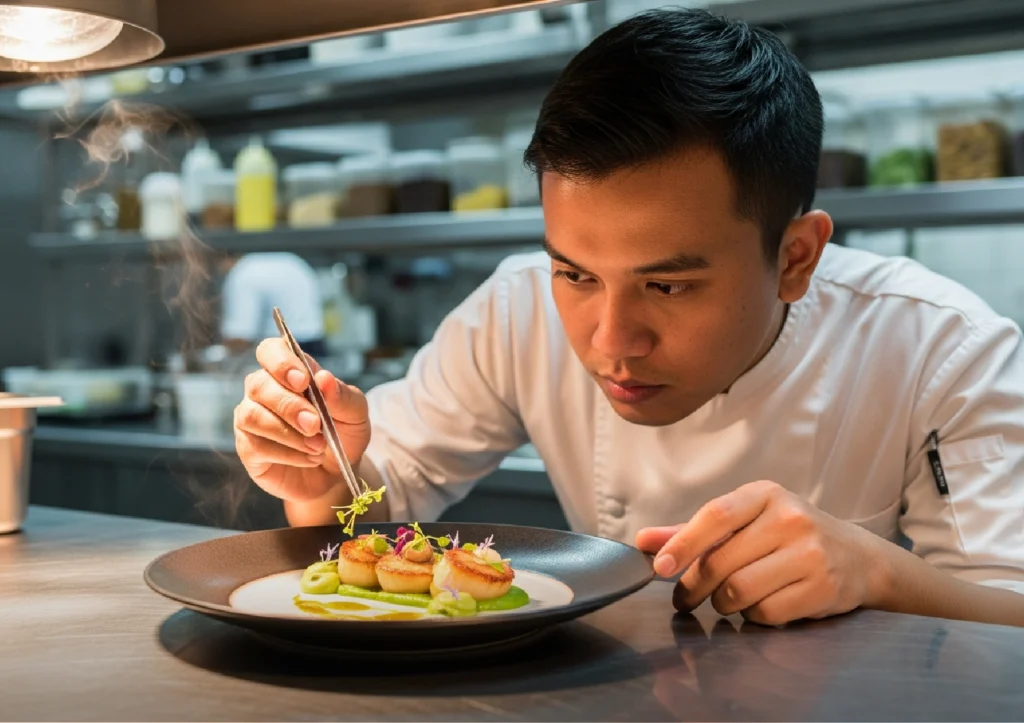
Quality is the main reason customers return. Standardize recipes, ensure consistent presentation, and manage ingredients properly as part of your baseline standards.
Use kitchen checklists for final plating and ensure that your ingredient storage system uses date labeling to keep items fresh and flavors consistent. A well-organized kitchen helps uphold your reputation and enhances customer satisfaction.
4. Control Your Culinary Business Operating Costs
In the culinary business, food and labor costs can eat into your profits faster than you might expect.
Some steps you can take to control costs include buying ingredients in bulk when possible, minimizing over-ordering, setting clear portion sizes, and using a system to track and analyze expenses.
5. Keep Your Employees Happy
A positive work environment keeps employees engaged and productive. Fair wages, flexible schedules, growth opportunities, and recognition of their efforts are all essential.
Employees who feel valued provide better service, delight customers, and contribute to the growth of your culinary business.
Turn Your Customers into “Brand Ambassadors”
Satisfied customers are your business’s best promoters. When they feel valued, they are more likely to return and recommend your business to their friends.
You can offer special promotions for loyal customers, provide small gifts, or create a membership program. Returning customers are highly valuable for boosting both sales and your business’s reputation.
7. Leverage Technology to Benefit Your Culinary Business
Technology makes restaurant management easier. With a POS system, you can track sales trends, identify best-selling dishes, and manage ingredient inventory more efficiently.
Employee management systems also help organize shifts, reduce wait times, and make service more efficient. With solid data, you can make more informed decisions.
8. Reservation Systems: A “Power Tool” for Growing Your Culinary Business
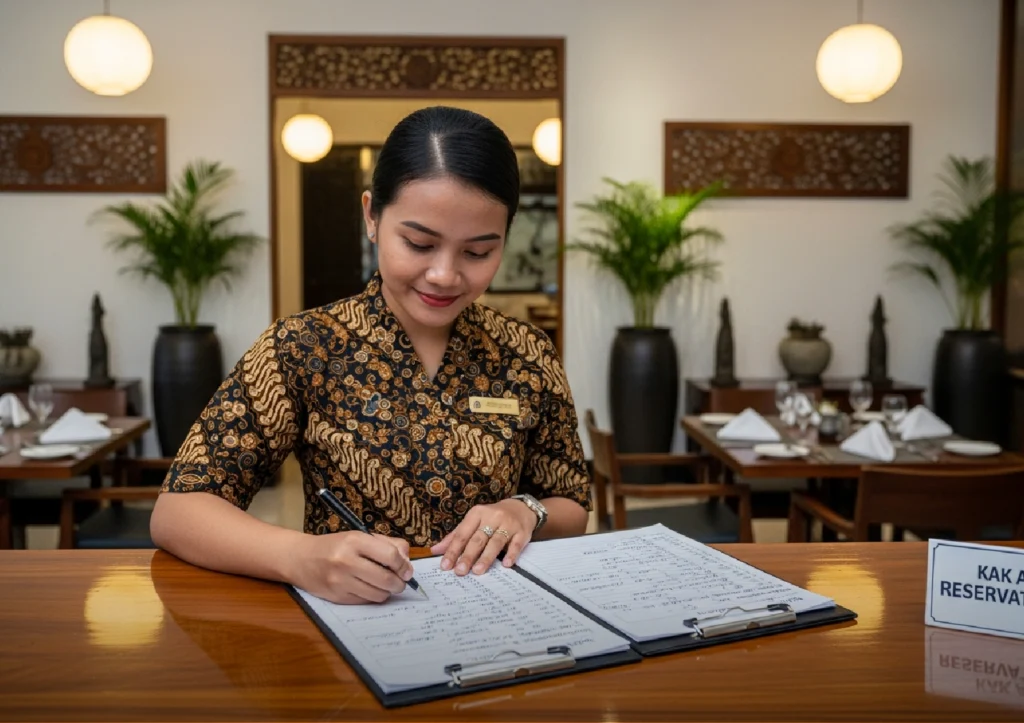
Another essential tip is to leverage smart reservation systems like Labamu Reservation. These systems are designed to help you manage guests, tables, and service flow more efficiently.
With Labamu’s features, you can enjoy the following benefits:
- Real-time table availability. You can see the status of each table—whether it’s vacant, occupied, or previously booked. This helps prevent double bookings and speeds up guest seating.
- 24/7 Online Reservations. Customers can book tables through your website, social media, or integrated apps without calling or visiting in person. All bookings are automatically recorded in the system.
- Interactive table layout. You can visually manage your seating map by adjusting the number of chairs, marking indoor or outdoor areas, or moving tables to accommodate events or peak hours.
- Coordination of walk-in and reservation guests. The system can balance booked reservations with walk-in customers without disrupting service flow.
- Automatic waitlist and notifications. If the restaurant is full, customers can join a digital waitlist. The system provides an estimated waiting time and sends notifications when a table becomes available, so guests don’t have to wait at the door.
- QR-Based Ordering Integration Once seated, customers can scan a QR code to view the menu and place orders directly without waiting for a server. Orders go straight to the kitchen, speeding up table turnover.
With Labamu Reservation, the customer experience improves as service becomes faster and more organized. From a business perspective, tables turn over more quickly, service times shorten, and staff can focus on food quality and service.
9. Run Promotions and Set Up Google My Business
To strengthen your online presence, stay active on social media by posting photos of your dishes, behind-the-scenes stories, special promotions, and promptly responding to customer reviews.
Additionally, list your culinary business on Google My Business to make it easy for people to find you when searching for “food near me.” A well-maintained profile boosts credibility and attracts more customers.
10. Set the Right Pricing
Menu prices should reflect ingredient costs, location, and your target customers.
For example, if your target audience is students, prices should be affordable. However, if your culinary business is a fine-dining restaurant, you can set higher prices to match the premium experience.
Conduct competitor research and, if necessary, raise prices gradually so customers aren’t surprised.
In conclusion, growing a culinary business isn’t just about opening new branches or increasing sales volume. It’s also about managing operations smartly, leveraging the right technology, and focusing on the customer experience.
With well-trained staff, an efficient menu, tight cost control, and especially a reservation system like Labamu Reservation, you can take your culinary business to the next level—more organized, more efficient, and more profitable.