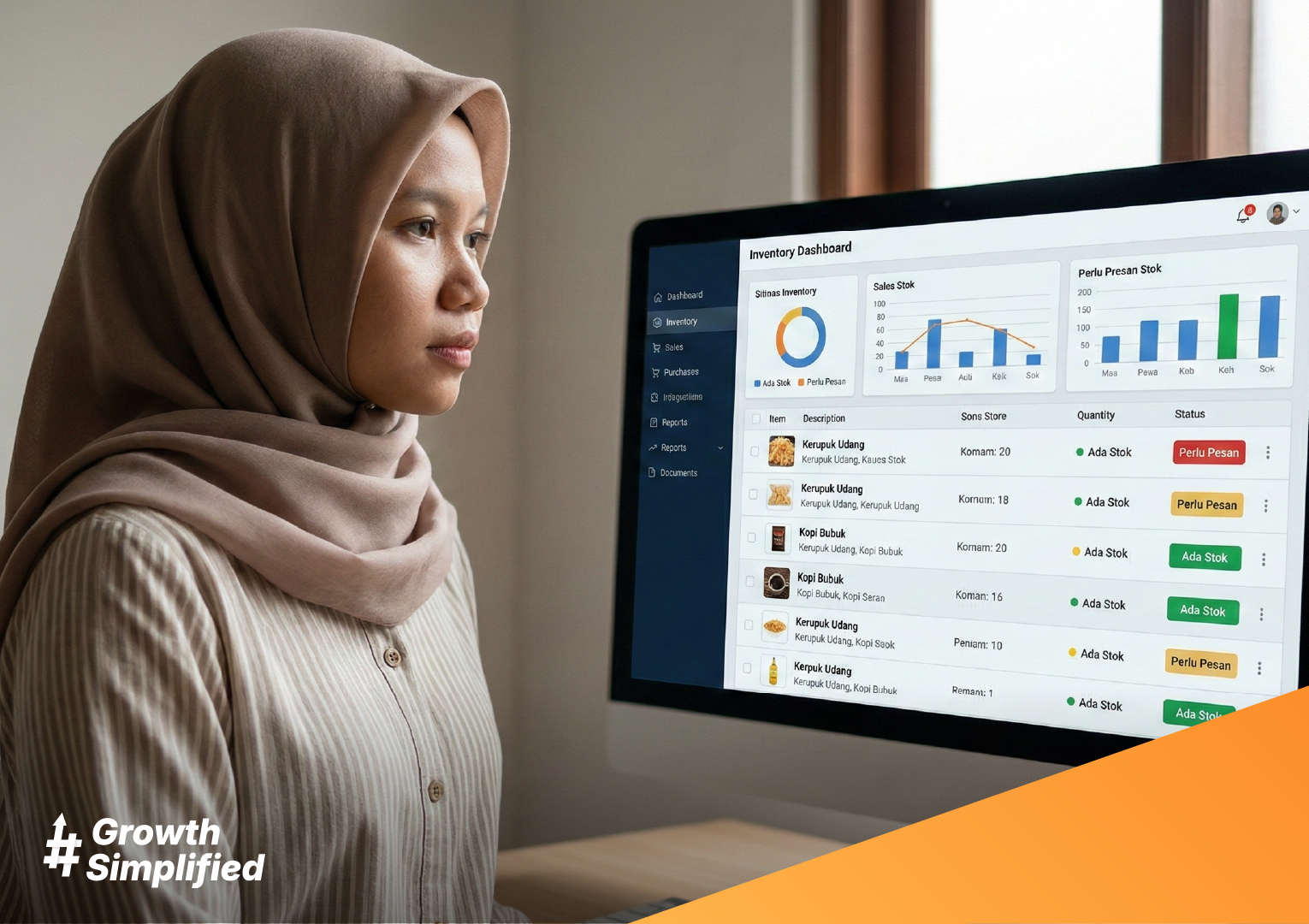
In today’s fully digital era, the term business digitalization is becoming increasingly common. Many entrepreneurs, especially those in the SME sector, are starting to explore this approach to grow their businesses. But what exactly is business digitalization, and why is it so important to implement?
It’s important to understand that business digitalization is not just about creating social media accounts or having an online store website. It can be considered a strategic step that helps business processes run faster, more efficiently, and in line with the times.
For those of you operating in the SME sector, this article provides a detailed discussion on business digitalization, including its benefits for SME entrepreneurs. Take a look!
Definition of Business Digitalization
Business digitalization is the process of transforming business systems and activities from conventional or manual methods into digital technology-based operations. This process can involve a wide range of elements, from using software for financial record-keeping and Customer Relationship Management (CRM) systems to marketing automation.
The goal, of course, is to make business activities faster, more accurate, and fully integrated. In today’s digital era, this approach helps save both time and effort while significantly boosting productivity.
In addition, digitalization also helps business owners more easily reach customers, analyze sales data, and make business decisions based on accurate and reliable information.
The Benefits of Digitalization for SMEs
Before discussing them one by one, it’s important to understand that digital transformation isn’t just for large companies. In fact, business digitalization offers numerous benefits for SME entrepreneurs, enabling them to compete more effectively in the digital marketplace. Here are the key benefits:
1. Operational Efficiency
Through business digitalization, time-consuming manual processes can be streamlined. For example, financial record-keeping, which was previously done by hand, can now be managed through accounting software. This allows entrepreneurs to save time and effort while minimizing the risk of human error.
Efficiency becomes even more evident as a business grows and requires more structured processes. Additionally, you can monitor team performance, inventory, and financial reports in real time through a digital dashboard.
2. Expanding Market Reach
Digitalization allows you to sell products not only offline but also online. Through digital platforms such as e-commerce sites, social media, or even sales apps like Labamu, your market can expand significantly. By reaching customers from different cities and even countries, your sales potential can increase dramatically.
Nowadays, you are no longer limited to serving customers only in your immediate area. Coupled with digital marketing, reaching your target market becomes far more measurable and cost-effective compared to traditional promotional methods.
3. Enhancing Customer Experience
Digital technology helps you better understand your customers. For example, by analyzing transaction data, you can identify which products are bestsellers or the times when customers prefer to shop. With this information, you can provide more personalized and relevant service.
For example, you can offer special promotions to loyal customers or product recommendations based on their purchase history. Additionally, customer service can become faster and more efficient with chatbots or automated response systems.
4. Enhancing Competitiveness
SMEs that have adopted business digitalization can be considered more competitive than similar businesses still operating using conventional methods. By embracing technology, entrepreneurs can respond more quickly to market trends, consumer demands, and the ever-changing shopping patterns.
Digitalization also allows you to test new strategies with lower risk. For instance, you can run a digital advertising campaign in a short time and immediately see the results. If it works, you can maintain it—or even better, optimize it further.
On the other hand, if the results are not yet optimal, as a business owner, you need to quickly adapt and adjust your approach without incurring significant costs. This way, your business can continue operating efficiently.
5. Facilitating Analysis and Decision-Making

Business digitalization ensures that operational and company data are well-organized and easy to analyze. For example, you can track monthly sales, identify the most profitable products, and determine operational costs that can be reduced.
With accurate data, business decisions can be made more precisely and strategically. Decisions are no longer based on instinct but on reliable information. You can also measure the success of promotions, adjust inventory, and design long-term business strategies.
6. Supporting Sustainable Business Growth
Digital transformation is not just a short-term solution to address current business challenges; it is also a valuable long-term investment. By establishing a strong digital foundation, your business will be better prepared to face future developments and market changes.
For instance, once your operational processes are digitalized, it becomes easier to expand your product lines, open new branches, or even establish strategic partnerships with business partners. Digitalization also boosts your confidence in seeking funding from investors.
This is because business systems and data are well-organized and transparent. All of this supports sustainable business growth and helps your business remain resilient against future challenges.
Business digitalization is an important step that entrepreneurs, including SMEs, should seriously consider. By choosing the right digital systems, business processes become far more efficient, data becomes more accurate, and decision-making becomes more precise.
Digitalization not only simplifies operations but also opens up broader market opportunities. If you want your SME business to grow further, now is the perfect time to make the shift to digital.
You don’t need to go big right away; you can start with small steps such as digital financial record-keeping, online marketing, or using SME-focused apps like Labamu. In fact, if you need guidance, LabamuHub can help you start your digitalization journey easily, guided directly by professional business experts.