
In this digital era, QRIS is increasingly popular as a payment method across various businesses, from small stalls to modern cafes. Unfortunately, this convenience also creates new opportunities for irresponsible individuals to commit QRIS fraud.
The modus operandi can vary, ranging from fake QR codes to fraudulent payment proofs. Therefore, both consumers and business owners must understand how to protect themselves to ensure secure transactions.
This article will thoroughly discuss common QRIS fraud schemes, practical tips for customers, and specific guidance for MSME business owners using the Labamu application.
Common QRIS Fraud Schemes
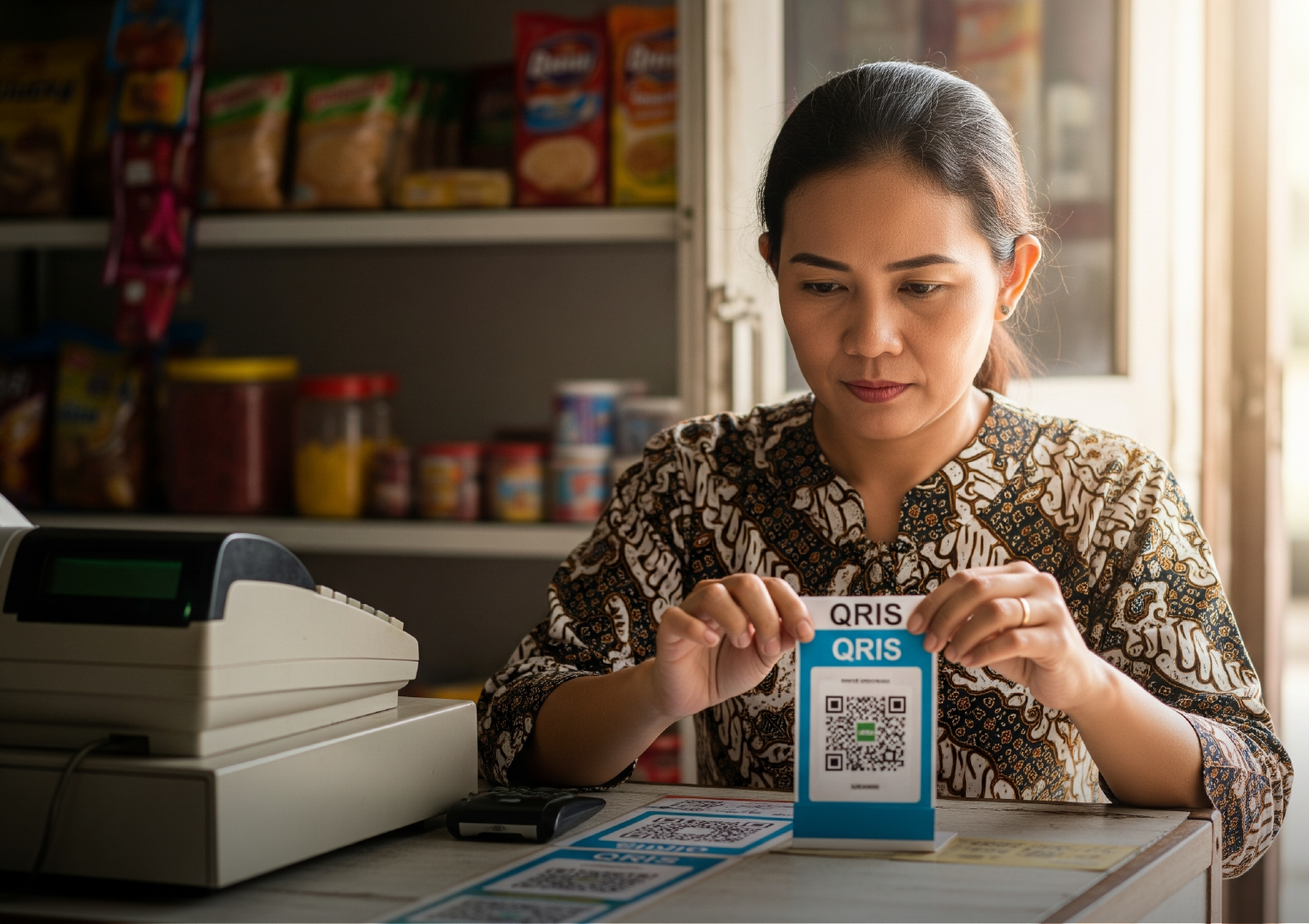
Although seemingly simple, QR codes can be manipulated for malicious purposes. Here are some of the most frequently encountered QRIS fraud schemes:
1. Fake QRIS or Code Replacement
The method involves fraudsters pasting their fabricated QR code over the original QR code belonging to the merchant. As a result, the customer’s money is transferred to the fraudster’s account instead.
2. Fake Payment Proof (Edited Screenshot)
This scheme involves fraudsters showing a screenshot or screenshot that appears to be a completed payment, when in fact, the proof is edited. Careless merchants can be deceived into thinking the transaction was successful.
3. Quishing or QR-Based Phishing
This can harm customers because the QR code, which should be used for payment, redirects them to a fake website instead. From there, personal or banking data can be stolen. Sometimes, these sites also request dangerous confirmations that pose a risk to customer security.
By understanding the schemes above, this becomes the first step to being more vigilant when using QRIS.
Safe Tips for Customers when Paying with QRIS
If you, as a customer, make payments using QRIS in the Labamu application or other applications, there are several simple steps that can help avoid fraud.
1. Carefully Check the Recipient’s Name and Amount
After scanning the QR, ensure the merchant’s name and payment amount in the application match. Do not rush to press the “pay” button before confirming both are correct.
2. Use Official Applications to Avoid QRIS Fraud
Always ensure you use mobile banking or e-wallet applications that you download from official sources, such as the App Store or Google Play.
3. Do Not Easily Trust Screenshots
As mentioned above, payment proofs in the form of screenshots can be faked. If you are in doubt, request a bank statement confirmation or a digital receipt.
4. Stop If There Is Pressure
Fraudsters often exploit rushed situations. If someone pressures you to pay immediately without allowing you to check, even if it’s the seller, it’s better to stop the transaction.
5. Document If Suspicious
If you feel something is amiss, photograph the QR code (if safe to do so), note the transaction time, then immediately contact the merchant or the relevant bank. If the seller uses the Labamu application, do not hesitate to immediately contact Labamu Support.
By following the steps above, you, as a customer, can be more confident and secure when using QRIS for daily transactions.
Safe Guide for Merchants when Using QRIS
For business owners, maintaining QRIS security is as important as safeguarding cash. Here are some practical guidelines to avoid falling victim to QRIS fraud.
1. Install QRIS in a Secure Place
Ensure you place the QR code in a clearly visible location, for example, on the cashier’s desk with a dedicated holder. Avoid sticking the QR code in places easily accessible to just anyone.
2. Use an Anti-Swap Protector
If possible, use a label or holder with a special seal so that if the QR code is replaced, you can clearly see signs of damage.
3. Confirm Payment Directly with Customers
Do not hesitate to invite customers to jointly check the store name displayed in their application. If it differs, immediately suspect an indication of fraud.
4. Train Employees on QRIS Fraud
Teach staff to recognize suspicious QR code signs, verify valid transaction proofs, and understand reporting procedures if fraud is suspected.
5. Regularly Check QRIS at the Outlet
Do not underestimate this habit. By performing routine checks, you can ascertain whether the QR code is still original and has not been overlaid by another QR code.
If you find a suspicious QR code or have already become a victim, save evidence in the form of a QR photo and transaction screenshots. Next, contact Labamu through the help feature in the application.
Do not forget to also report to the QRIS issuing bank or the authorized authorities.
Labamu: A more Secure MSME Support Application
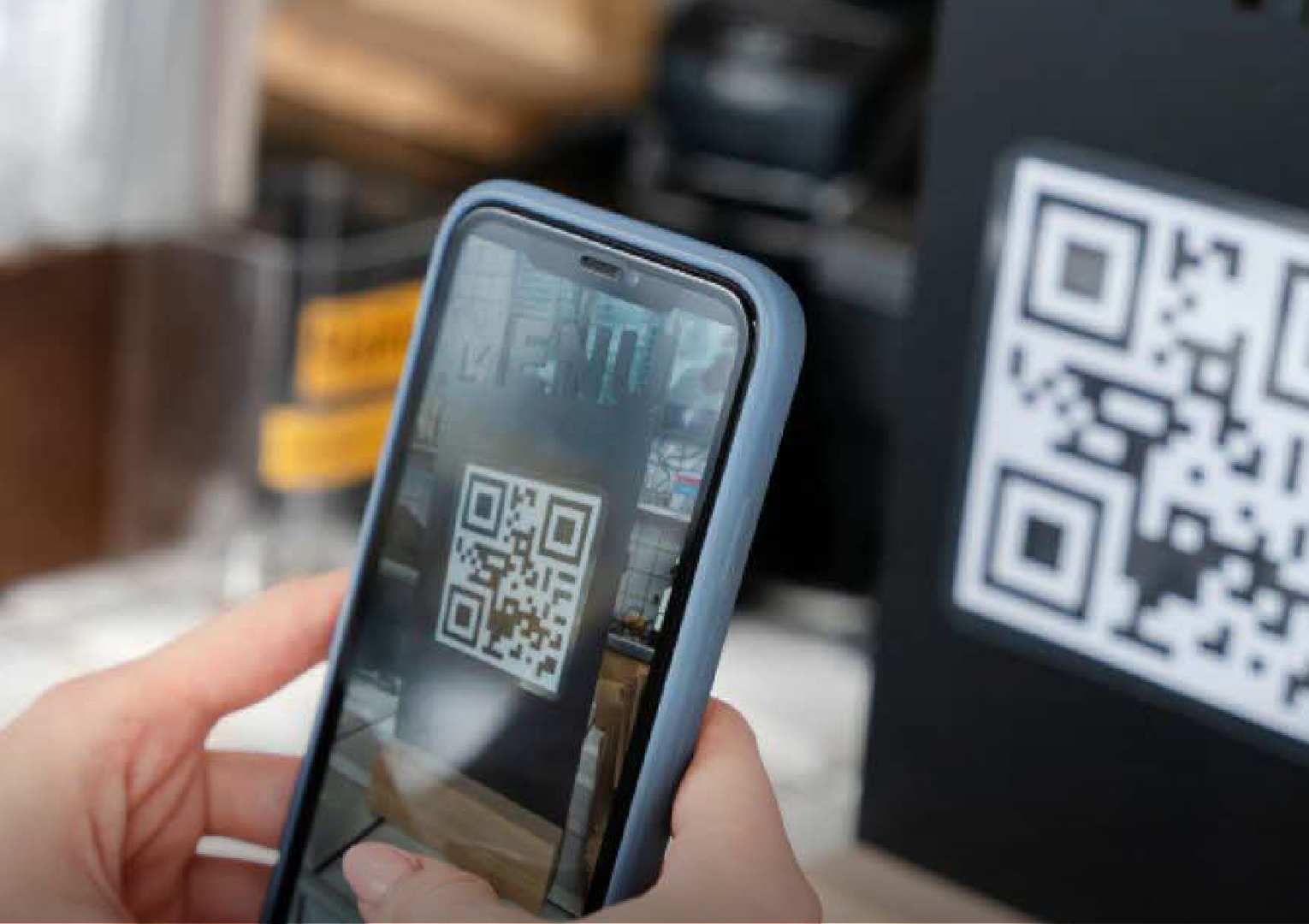
For those who don’t know, Labamu is an all-in-one application for MSMEs that will help you as a business owner to manage operations, receive payments, and enhance customer experience.
One of its flagship features is QR Menu, which is not just an ordinary QR code, but also an integrated transaction management system. With QR Menu, business owners can not only receive payments but also display digital menus, record orders, and reduce the risk of errors or fraud.
What is QR Menu in Labamu?
QR Menu is an innovative feature from Labamu that combines QRIS technology with a digital ordering system. Instead of just displaying a static QR code, merchants can create a digital menu directly linked to the payment system.
Here are the advantages of QR Menu:
- Interactive digital menu. Customers simply scan the QR code at the table or cashier, then immediately view the complete menu list from their phones. No more waiting for a physical menu.
- Order and pay directly. After selecting items from the menu, customers can directly make payments via QRIS. The process is automatically recorded in the Labamu application, leaving no room for manipulation of fake payment proofs.
- More transparent transactions. Because all order and payment data is recorded in the system, merchants can directly verify without relying on screenshots.
- Safe from QRIS fraud. QR Menu is not easily swapped with fake QR codes because every order is connected to the Labamu system and automatically verified.
- Save cost and time. No need to print menus repeatedly. Price changes or new menus can be directly updated from the application.
Advantages of QR Menu for MSMEs
For MSME owners, Labamu’s QR Menu is not just about security from QRIS fraud, but also a way to enhance customer experience and business efficiency. Here are some reasons.
- Customers are more comfortable because they can view the menu, order, and pay directly from their phones.
- Businesses appear more modern because they use a digital system.
- Sales data is more organized, making it easier for entrepreneurs to analyze daily transactions.
- Reduces queues because customers can order from their tables without waiting for a waiter.
With all these advantages, QR Menu helps MSMEs compete with larger businesses without incurring high costs.
In the digital era, maintaining transaction security is mandatory. However, do not let your business be harmed by QRIS fraud. With the Labamu application and its QR Menu feature, you can not only protect your business from potential fraud but also provide the best experience for customers.