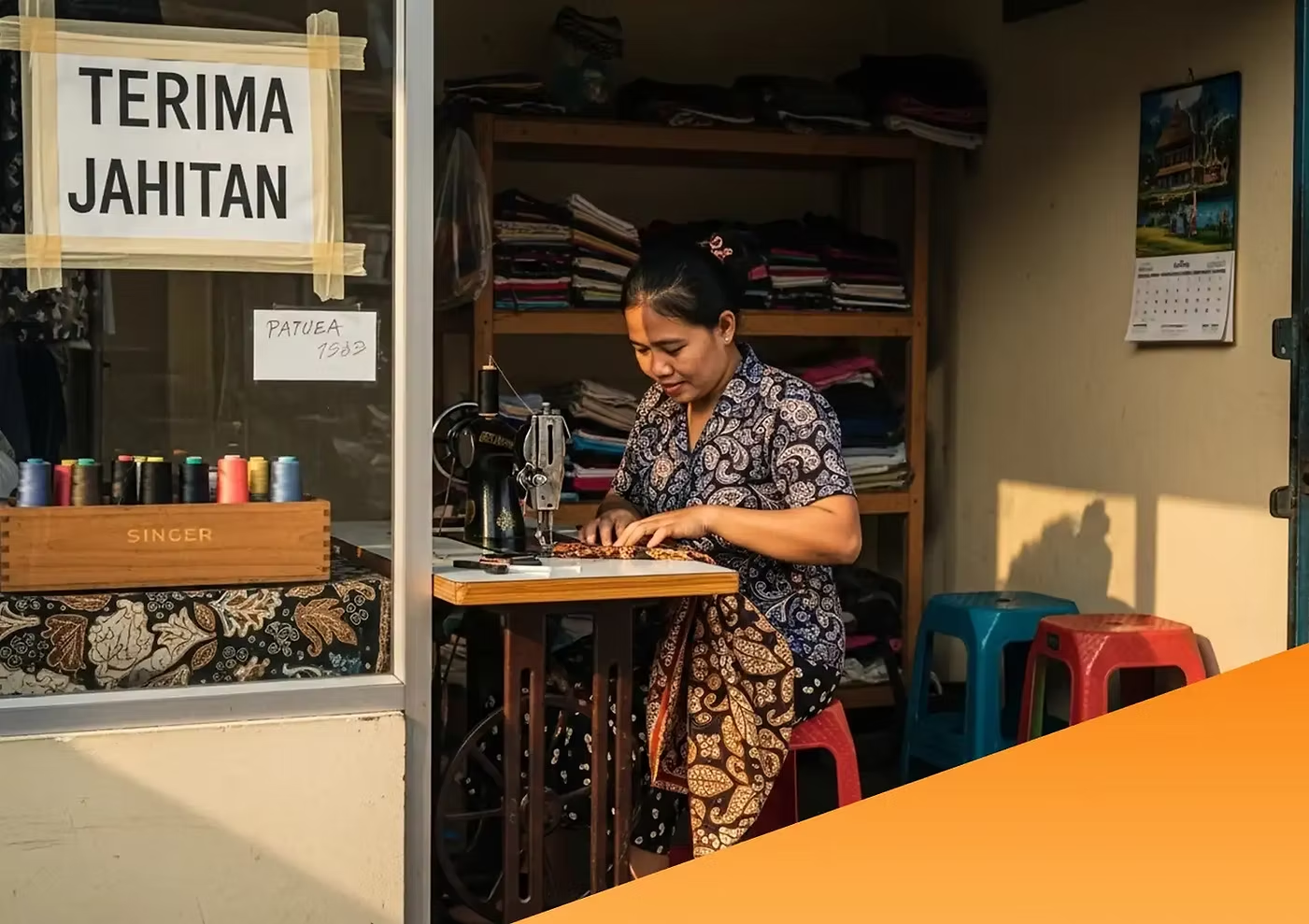
Micro, Small, and Medium Enterprises (MSMEs) are often referred to as the backbone of Indonesia’s economy. When economic crises strike, MSMEs tend to remain resilient and even become a lifeline for many people. But just how strong is their resilience, really?
The forms of MSMEs in Indonesia are highly diverse, ranging from small neighborhood shops to digital-based creative businesses. Many entrepreneurs are increasingly turning to MSMEs as a long-term solution for navigating economic uncertainty.
This article will explain the types of MSMEs with strong potential and the reasons why MSMEs remain a viable business option even during times of crisis. Let’s take a look!
Popular Types of MSMEs in Indonesia

In general, MSMEs can be categorized into three main groups. This classification is based on the amount of assets, revenue (turnover), and the number of employees employed.
First, there are Micro Enterprises, which are generally run by individuals or family-owned businesses. Their annual revenue is relatively small, typically in the tens of millions of rupiah. Micro enterprises commonly operate in home-based culinary businesses, small neighborhood shops, or simple service sectors.
Second are Small Enterprises, whose business scale has started to grow. Their annual revenue can reach hundreds of millions of rupiah. Examples include motorcycle repair shops, garment or convection businesses, and coffee shops with multiple branches.
Third are Medium Enterprises, which have more structured and professional operations. They are usually legally incorporated and generate annual revenues in the billions of rupiah. Many medium enterprises operate in manufacturing, distribution, or mid-scale production sectors.
Each type of MSME comes with its own challenges and potential. Micro enterprises are more flexible and adapt quickly, but they are vulnerable during periods of high inflation. Small enterprises tend to be more financially stable, yet they face intense competition from similar businesses.
Meanwhile, medium enterprises often face challenges related to market expansion. Here are some examples of such businesses:
1. Home-Based Culinary Business
Home-based culinary businesses consistently attract local market interest. They require relatively low capital but offer high profit potential since food is a basic necessity. Menu and flavor innovation are key to staying appealing to customers.
2. Handmade Fashion and Accessories
Handmade fashion products, such as knitted bags or embroidered clothing, have a loyal customer base. Besides being unique, handcrafted items often carry an exclusive value that increases their appeal. The business potential is significant, especially when marketed through digital platforms.
3. Agriculture and Processed Products
Agriculture-based MSMEs have great potential, especially for processed products like chips or chili sauces. These products are in high demand because they are convenient and tasty as snacks. Marketing can be done both online and offline.
4. Digital and Design Services
In the digital services sector—such as graphic design, video editing, and visual content creation—opportunities are rapidly expanding. Many MSME entrepreneurs successfully leverage their design skills to earn additional income. The main investment is in skills rather than physical products.
5. Herbal and Health Products
Growing public awareness of healthy living is driving the expansion of herbal business opportunities. Products like Jamu, herbal teas, and natural supplements have a stable market. Local herbal products also have export potential if quality is consistently maintained.
Why MSMEs Can Survive During a Crisis
Many business players wonder why MSMEs are often considered more resilient compared to large companies. One reason is operational flexibility. MSMEs can easily adapt to market changes without going through complicated bureaucratic processes.
Additionally, MSMEs tend to have lower operational costs. When revenue drops, MSME owners can quickly adjust expenses. This allows the business to keep running even when income isn’t as high as usual.
Most importantly, MSMEs have close relationships with their customers. Small-scale businesses often maintain more personal connections, which is a major asset for retaining customer loyalty even during tough economic times.
Even so, MSMEs don’t survive by chance—they rely on strategy. Product diversification is one common approach. When one product isn’t selling, entrepreneurs can offer alternative products that meet market demand.
Digitalization is also a smart move embraced by many MSMEs. By leveraging social media or marketplaces, MSME owners can reach a wider market—especially now, as online shopping trends continue to rise.
Collaboration among MSMEs is also becoming more common. For example, partnerships between small producers and distributors help reduce operational costs. Such collaborations can strengthen MSMEs’ resilience in facing economic challenges.
Government Support for MSMEs
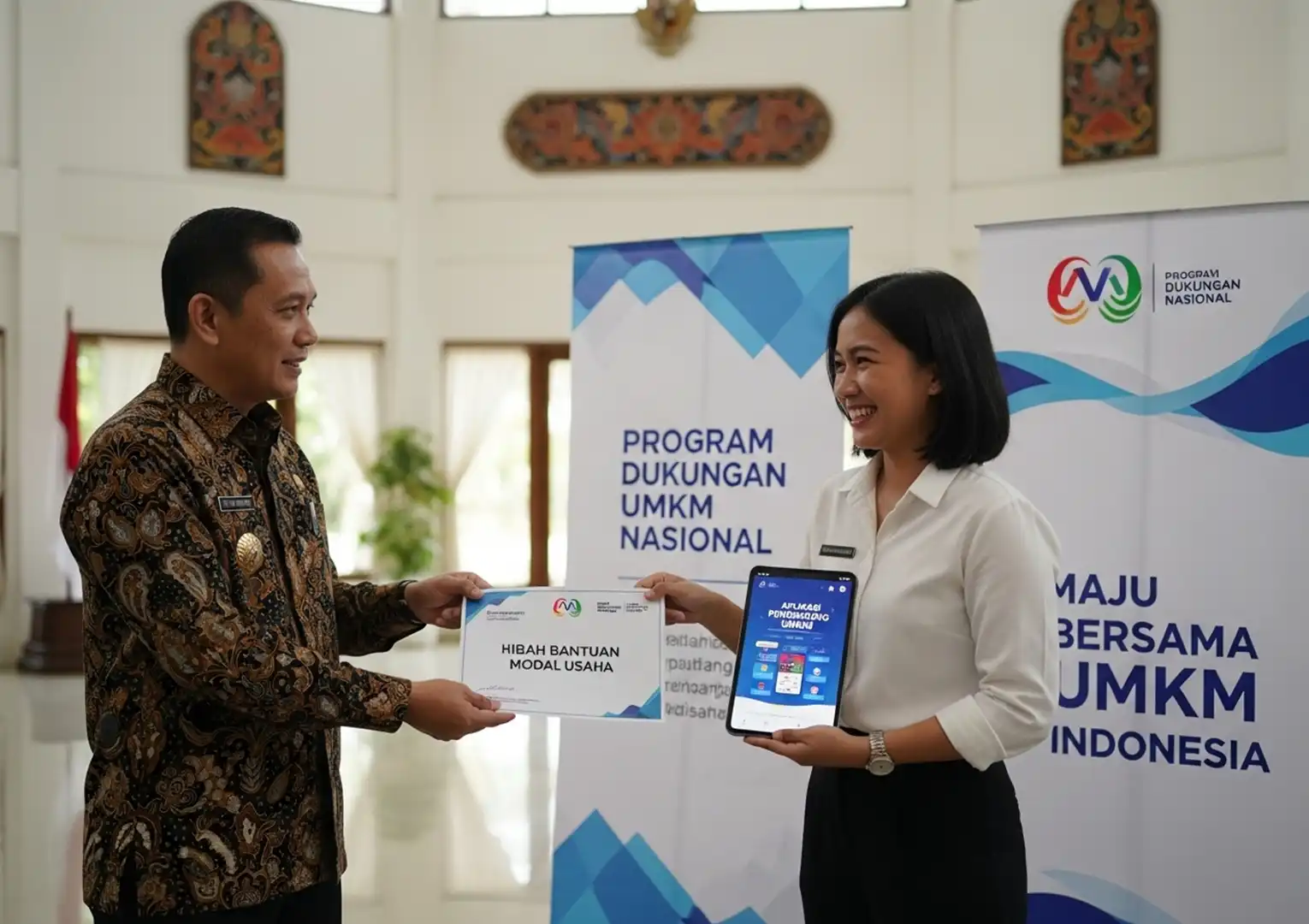
The government, particularly in Indonesia, is well aware of the crucial role MSMEs play in the economy. That’s why authorities offer various support programs for MSME entrepreneurs, such as the People’s Business Credit (KUR), digital training, and business registration assistance.
Regular training programs naturally enhance product quality and competitiveness, both in local and export markets. Additionally, government funding support gives entrepreneurs more freedom to grow their businesses.
With increasingly strong support, MSME entrepreneurs in Indonesia are expected to scale up. From starting small, they can gradually grow into medium or even large enterprises, thereby strengthening the national economy.
MSME Businesses Work Better with a Digital POS App!
MSMEs in Indonesia are highly diverse, ranging from micro and small to medium-sized businesses. These businesses are considered more resilient due to their flexibility, low operational costs, and strong customer relationships. With government support, the potential for MSMEs to survive and even grow during a crisis is even greater.
For those looking to start or grow a business, now is the perfect time. Make sure to leverage Labamu’s digital POS app, which offers a wide range of features to ensure your business operations run more efficiently.
Not only that, you can also join Labamu Hub to discover business opportunities that suit you and grow alongside other entrepreneurs across Indonesia. Take the first step toward a brighter future!