
In the business world, especially in the production sector, rejected items are almost inevitable. Not every production process runs smoothly, as mistakes can occur during packaging, printing, or even in the raw materials, resulting in products that do not meet quality standards—commonly referred to as rejected items.
Although often seen as a loss, rejected items can actually be leveraged to reduce costs, maintain efficiency, and even open up new market opportunities—if you know how to handle them properly.
What Are Rejected Items and Why Do They Occur?
Simply put, rejected items are products that fail quality tests or do not meet the standards set by the company. The causes can vary, ranging from physical defects, incorrect colors, labeling errors, to minor damages during the shipping process.
For example, if you manufacture clothing and find some pieces with crooked stitching or colors that don’t match the order, these products are still usable but cannot be sold as main products because they don’t meet quality standards.
Items like these don’t necessarily mean “production waste.” Many business owners can actually leverage rejected items to increase revenue, reduce waste, and even expand their market reach.
The Importance of Properly Managing Rejected Items
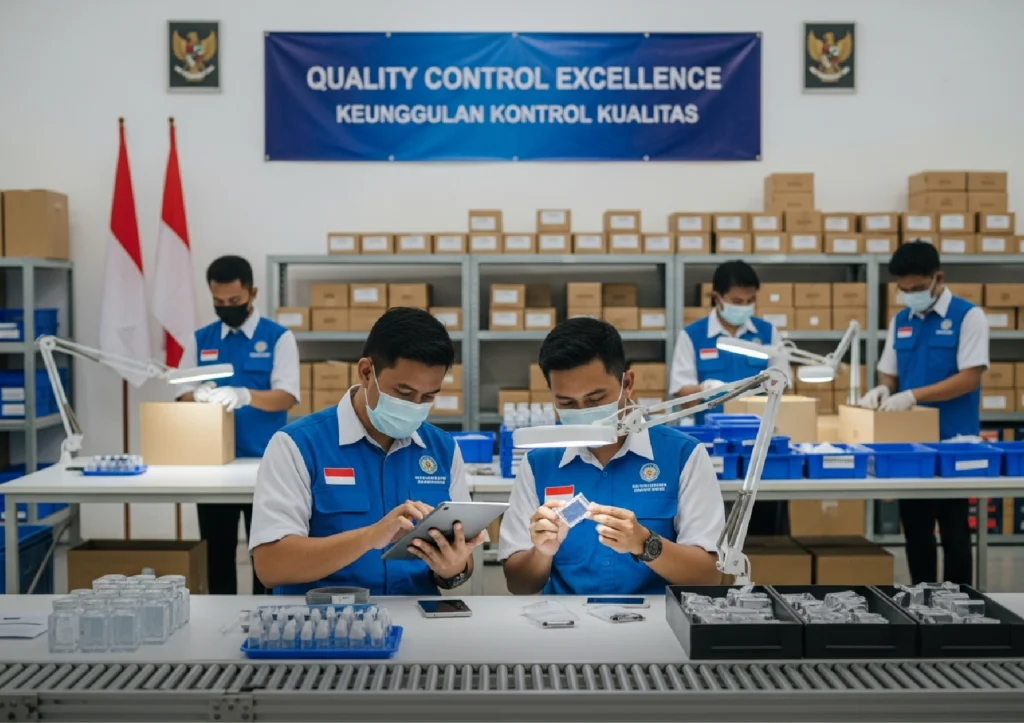
As a business owner, managing rejected items professionally is crucial to maintaining your brand’s quality and reputation. If left unmanaged, defective products could slip into the market without control, potentially damaging your brand image in the eyes of consumers.
In addition, properly handling rejected items also helps you to:
- Save on production costs by utilizing materials or components that are still usable.
- Protect the environment through recycling and waste reduction.
- Improve efficiency by learning from previous production errors.
In other words, managing rejected items is not just about avoiding losses—it is also part of a sustainable business strategy.
How to Make Rejected Items Valuable
Now, let’s move on to the most important part: how to make rejected items continue to generate value for your business. Here are several methods you can apply.
1. Resell Rejected Items at a Discount
Not all rejected items are completely unsellable. Sometimes, the defects are minor, such as slightly off colors, dented packaging, or a misprinted logo. Items like these can be resold at a discounted price through dedicated outlets, bazaars, or e-commerce platforms.
Consumers on a tight budget—such as students, young adults, or young families—are often attracted to these products because they still get good quality at a more affordable price.
Besides helping to reduce losses, this strategy can also open up new price-sensitive markets without compromising the image of your main products.
2. Recycle Rejected Items into Raw Materials
If rejected items can no longer be resold, it doesn’t mean they are useless. Products made of plastic, fabric, or metal can still be recycled and used as raw materials.
For example, leftover fabric or defective clothing can be cut and repurposed into industrial rags, pillow stuffing, or handicrafts. Plastics and metals can be melted down and reused in the next production cycle.
By recycling rejected items, you can:
- Save on the cost of purchasing new raw materials.
- Reduce production waste.
- Support an environmentally friendly circular economy.
This approach is perfect for SMEs looking to run a sustainable business while remaining cost-efficient.
3. Use Rejected Items for Internal Training
Rejected items can also serve as learning tools for your production team. For example, they can be used to analyze the causes of defects, improve workflow processes, and enhance quality control (QC) standards.
Through this approach, employees can better understand where mistakes occur and how to avoid them in the future. As a result, defect rates decrease and work efficiency improves. Thus, in addition to saving costs, you are also investing in improving the quality of your company’s human resources.
4. Donate Rejected Items through CSR Programs
If rejected products are still usable, you can distribute them through CSR (Corporate Social Responsibility) programs. For example, rejected clothing can be donated to orphanages, social organizations, or disaster-affected areas.
Besides helping those in need, this step also adds value to your business. Your brand image improves, and the public sees that you care about the social environment. It can also serve as a positive branding strategy that strengthens consumer trust.
5. Repair or Dispose of Unsellable Products
For rejected items that are severely defective or potentially hazardous to users, the best option is either repair or disposal.
If the defects can still be repaired at a reasonable cost, you can modify or repair the items before selling them. However, if the products are completely unusable, they should be disposed of to prevent them from entering the market.
This step is crucial for protecting your brand’s reputation, as selling defective products without oversight can create a negative impression of your brand.
Marketing Strategies for Rejected Items

Selling rejected items still requires the right strategy to ensure they are accepted by the market without harming the image of your main products. Here are some marketing tips you can try.
1. Identify the Right Target Market
Know who your potential buyers are. Rejected products generally appeal to price-sensitive consumers, such as students, young adults, or young families.
You can use sales data to identify which products are most popular in this segment. Also, utilize inventory management software to monitor rejected item stock more easily and sell them efficiently.
2. Leverage Social Media and E-commerce
Promote rejected items on social media platforms like Instagram, Facebook, or TikTok, as well as on e-commerce sites. Use clear product photos, provide honest descriptions, and include information about any defects so buyers know the actual condition.
If you don’t have an e-commerce platform yet, you can use Labamu E-Commerce, a convenient online store solution for business owners across various industries. With this feature, you can:
- Create an online store in just minutes, without any coding skills required.
- Use flexible templates that match your business style.
- Receive secure and automatic payments through various methods.
- Enjoy real-time shipping, making the buying and selling process smoother.
In addition, Labamu can help you manage inventory, expand customer reach, and boost sales—including for rejected items that are still sellable.
Join the waitlist for this feature if you want to use Labamu E-Commerce—a smart solution for building an instant, fast, and efficient online store.
3. Offer Attractive Deals
Almost all consumers love promotions, so you can offer:
- Additional discounts for bulk purchases.
- Product bundling, for example, buy two get one free.
- Shopping vouchers for loyal buyers of rejected items.
This approach can help move rejected item stock quickly without significantly lowering the price of your main products.
In conclusion, managing rejected items is not just about getting rid of defective products—it is part of a smart business strategy. With the right approach, you can turn potential losses into new profit opportunities. So, from now on, don’t rush to discard rejected items. If managed wisely, there are business opportunities waiting for you!