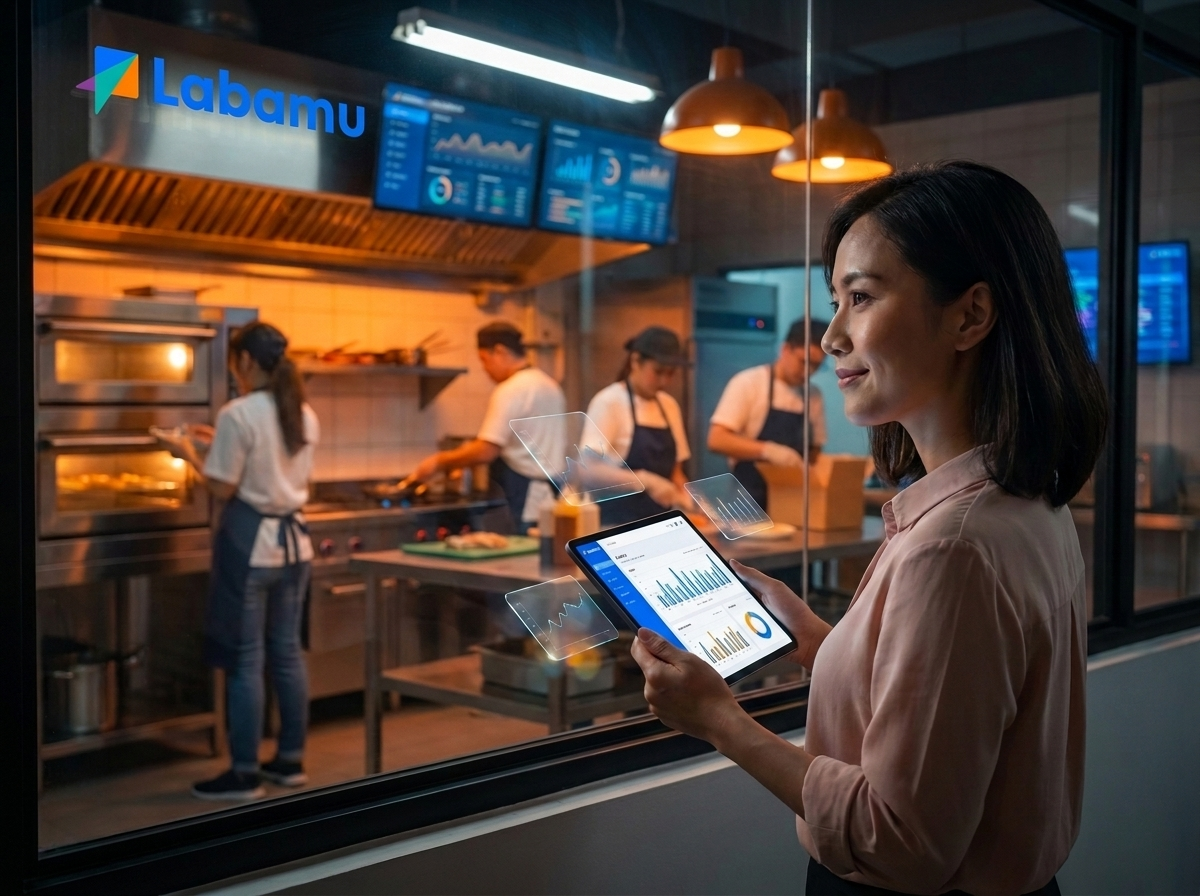
Culinary business models are now continuing to change very quickly. You have to be adaptive so that your business continues to generate profits. Two popular models today are satellite kitchens and food courts.
However, which is the best choice for your business operational model? Many entrepreneurs fall into the trap of choosing a very expensive physical location. In fact, the online culinary market continues to show extraordinary potential.
You need capital efficiency to avoid big losses. Use targeted digital strategies to win market competition. Optimize your culinary business with the Labamu smart cashier application now.
- Cloud kitchens are fully focused on delivery services without a physical customer dining area.
- Flexible kitchen rental schemes help culinary entrepreneurs reduce their initial capital expenditure.
- The Labamu digital cashier application is the best culinary POS solution for business efficiency.
Before going any further, manage your finances with a trusted digital cashier application. Use the modern system integration from POS Labamu to run your daily business operations smoothly.
1. Customer Interaction Models Are Very Different
Food court customers come directly to eat on the spot. They choose menus from various outlets in one area. Direct face-to-face interaction is the main key to daily service.
Meanwhile, cloud kitchen only serves online delivery orders. There is no physical eating area provided for diners there. All customer interactions run through third-party digital platforms.
This certainly cuts the costs of providing dining tables and chairs. You also don’t need to hire waiters to serve customers. This operational efficiency makes the menu focus much more optimal.
2. Location Requirements and Physical Land Costs
Food court outlets must be in very strategic locations. Usually located in busy shopping centers or malls. Land rental costs in this area are known to be very expensive.
In contrast, cloud kitchens do not require a roadside location. You can rent a place in a dense residential alley. As long as the location is easy to reach by food delivery couriers.
Property rental costs automatically become much cheaper and more economical. The rental money can be allocated to the digital promotion budget. This is very profitable for beginner culinary entrepreneurs.
3. Very flexible daily kitchen rental scheme
Satellite kitchen rentals now offer a very flexible scheme. You can choose a daily kitchen rental scheme to test the market. This rental model is very friendly for entrepreneurs with limited capital.
If you like the culinary menu, switch to a monthly scheme. The monthly scheme guarantees a much more stable rental price. You don’t need to worry about sudden increases in rental rates.
Management of operational costs becomes much more measurable every month. This model minimizes the risk of large losses at the start of the pioneering period. Labamu cashier system is ready to help you record all these operational costs.
Relevant article: Grab Merchant integration POS application, here are the advantages!
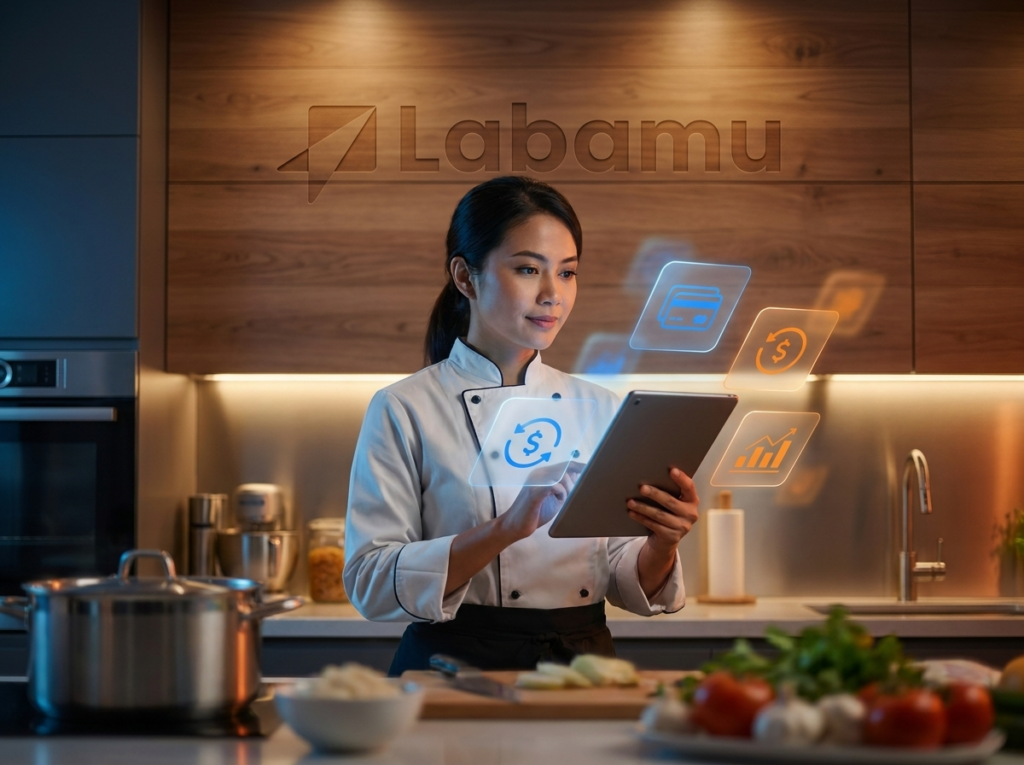
4. Choice of Profit Sharing Rental Scheme for Entrepreneurs
There is also the option of a rental scheme based on sales revenue sharing. Cloud kitchen providers only take a small percentage of daily turnover. You are not charged a fixed rental fee at the beginning of the operational month.
This scheme is very helpful when sales are experiencing a seasonal decline. Kitchen operational expenses slide down following your shop’s sales performance. This business synergy creates a mutually supportive ecosystem between kitchen managers.
Make sure your daily turnover is recorded very accurately. Use a digital cashier application for transparency in profit sharing reports. The Labamu cashier application makes it easy to share financial reports automatically.
5. Cooking Equipment and Kitchen Infrastructure Requirements
Stalls in the food court require you to bring your own cooking utensils. You also have to design the booth decoration to make it look very attractive. The initial investment for these physical needs is quite expensive.
In a cloud kitchen, the main kitchen infrastructure is usually provided by the manager. You only need to bring very specific supporting cooking equipment. Gas, water and electricity installations are ready for use right from day one.
The process of preparing kitchen operations can be completed much more quickly. You can immediately start cooking and serving customers immediately. The speed of starting this business is the main advantage of the virtual kitchen concept.
6. Multi-Brand Management Efficiency in One Location
The cloud kitchen concept makes it easier for you to run many culinary brands at once. All different menus are cooked in one integrated kitchen space. You can sell fried rice, burgers and coffee together.
This is very difficult to do if you rent a food court outlet. Food courts usually limit the types of menus you can sell. These restrictions aim to prevent internal competition between traders.
Optimize multi-brand management using the best culinary POS recommendations. The Labamu application is able to manage many brands in one cashier system. You can monitor the performance of each brand via just one application.
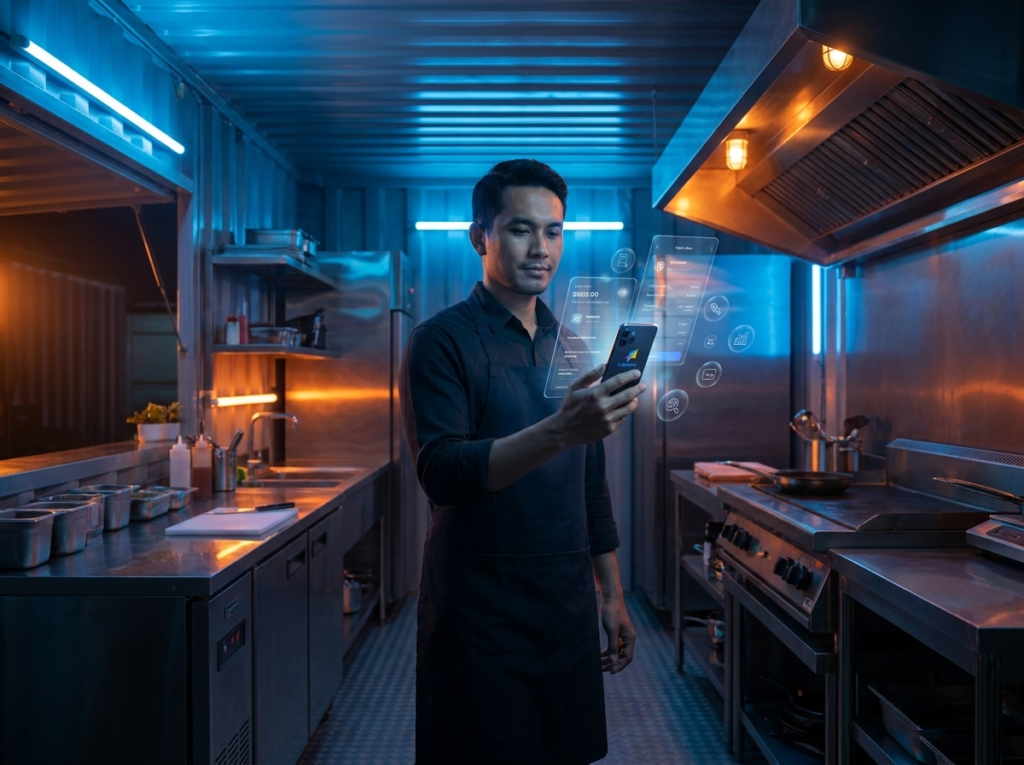
7. Profit Scheme from Raw Material Stock Management
Running a virtual kitchen business demands very tight stock management. You must avoid wasting raw materials because they expire. The net profit of a culinary business is highly dependent on the efficiency of ingredient stocks.
With a cloud kitchen, estimates of raw material needs become more measurable. Daily online order patterns can be analyzed very easily. You can order raw materials according to daily demand trends.
Use the inventory management features of the Labamu digital cashier application now. The system will provide an automatic warning when stock starts to run low. Avoid losing potential sales due to running out of raw materials in the kitchen.
FAQs about Cloud Kitchen
- What is meant by cloud kitchen?
Cloud kitchen is a virtual kitchen concept that only serves delivery orders. The operational system does not provide on-site dining facilities for customers.
- What is a cloud kitchen business?
The cloud kitchen business is a culinary business model without a direct physical store. Entrepreneurs utilize shared kitchen space to process online food orders.
- What cloud kitchens?
Some examples of popular cloud kitchens in Indonesia are GrabKitchen and Everplate. There are also GoFood Shared Kitchens spread across big cities.
- How much do kitchen staff make?
Kitchen staff salaries in Indonesia range from two to four million rupiah. The nominal is readjusted to the regional minimum wage and the scale of the culinary business.
- Difference between Cloud Kitchen and Food Court
Food courts provide a physical place to eat together for all customers. Cloud kitchen only focuses on processing food orders to be sent by couriers.
Relevant Article: Benefits of an integrated Culinary POS for Online Merchants
The Secret to Successfully Managing Culinary Business Finances with Labamu POS
Choosing between a satellite kitchen and food court concept must be in line with your target market. If you are looking for speed and high efficiency, a satellite kitchen is the ideal answer. However, the presence of a capable operational system is still the spearhead of your business success.
Avoid manual recording methods that risk slowing the growth rate of your modern culinary business. Leave the old methods that take up a lot of daily operational time. Start switching to digital cashier technology that is reliable, fast and very practical.
Use Labamu as the best culinary POS choice to advance your business. Monitor the movement of financial reports and raw material stocks directly from your hand. Download the Labamu application now and see for yourself how easy it is to manage your culinary business operations!