
The digital era is evolving. MSMEs can no longer rely on manual recording systems. Intense business competition in 2026 demands efficiency, speed, and accuracy in every transaction. This is why the use of a modern POS (Point of Sale) cashier has become a primary necessity, no longer just an operational complement.
A POS system is more than just a tool for recording sales transactions. This system has evolved into an integrated business management center, from inventory management to financial report analysis. To compete and grow, learn about the modern POS systems every MSME should have in this article.
What Modern POS Cashier Systems Should MSMEs Have?

Choosing a POS system isn’t something to be taken lightly. MSMEs need a system that’s not only sophisticated but also relevant to their daily business needs. A modern POS system should help business owners save time, reduce errors, and provide accurate data for decision-making. Here are the modern POS systems that MSMEs should have in 2026:

1. Fast and Real-Time Transaction System
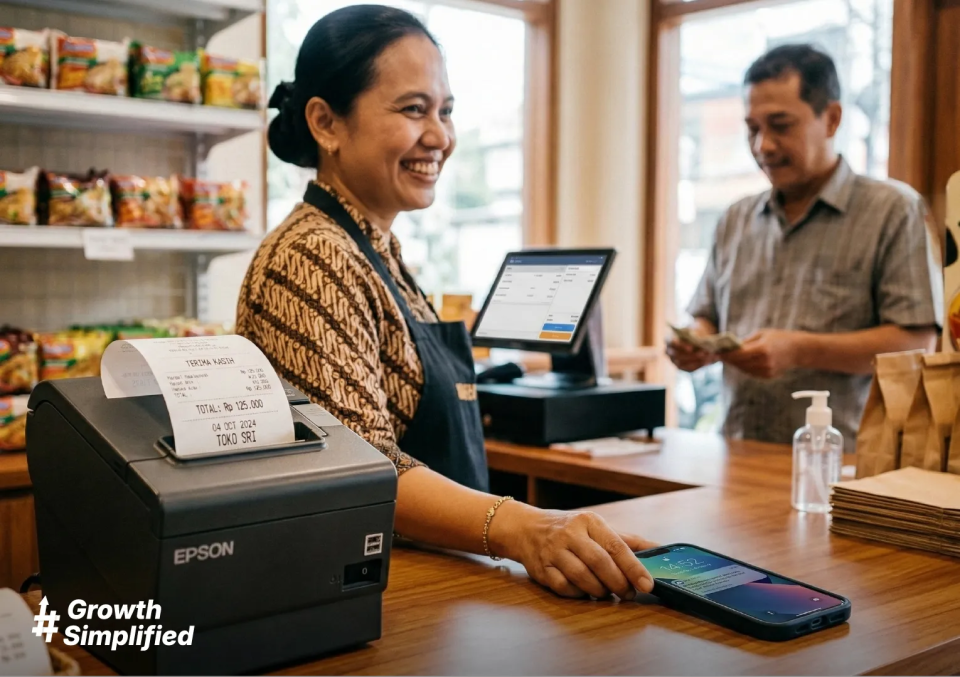
One of the primary functions of a POS (Point of Sale) is to process transactions quickly and accurately. In 2026, customers expect fast service. Long lines at the cashier can degrade the customer experience and potentially drive them to competitors.
A modern POS system must be able to record transactions in real time, including cash payments, transfers, QRIS, and e-wallets. An integrated system automatically reduces the risk of recording errors and speeds up the payment process.
Furthermore, a real-time system allows business owners to monitor sales directly from anywhere. This is especially important for MSMEs with multiple branches or those who want to control their business without having to be on-site.
2. Automatic and Accurate Stock Management
For businesses, inventory is a crucial aspect. Running out of stock during times of high demand or having excess unsold stock can disrupt cash flow.
A modern POS system must have an automatic stock management feature. Stock is automatically reduced with each transaction. This ensures inventory data is always up-to-date, eliminating the need for repeated manual checks.
This feature is also usually equipped with low stock notifications, allowing business owners to quickly restock before items run out. With better inventory management control, MSMEs can avoid losses due to inventory errors.
3. Automatic Sales and Financial Reports
Today, business decisions must be based on data, not predictions. MSMEs can no longer rely solely on estimates or manual records to assess business performance.
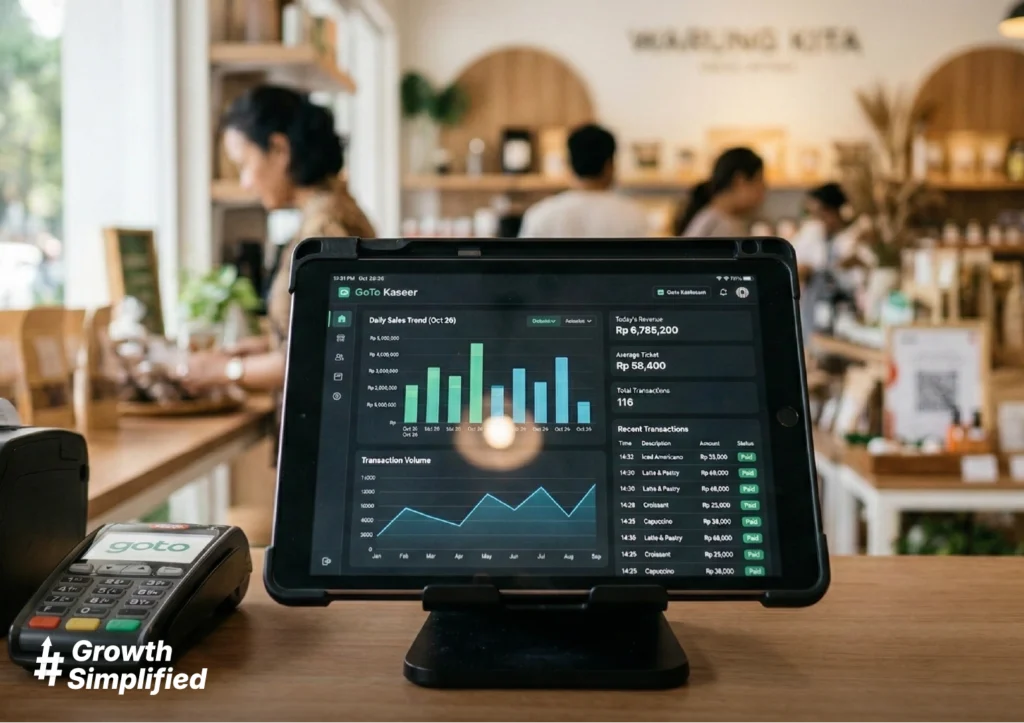
A modern POS system should automatically provide sales and financial reports. From daily, weekly, and monthly reports, everything is easily accessible. This data helps business owners understand best-selling products, peak hours, and sales trends.
With reports presented systematically, MSME owners can make business decisions more quickly, such as determining promotions, adjusting prices, or optimizing marketing strategies.
4. Integration with Various Digital Payment Methods
Consumer behavior continues to change. Cashless payments are now the preferred choice for many customers, especially the younger generation. Therefore, modern POS systems must support a variety of digital payment methods.
Integration with QRIS, e-wallets, debit/credit cards, and bank transfers provides flexibility for customers. The more payment options, the more convenient the shopping experience.
In addition to increasing customer satisfaction, digital payment systems also help reduce the risk of cash miscounting and simplify financial report reconciliation.
5. Multi-Branch and Cloud-Based System
Growing MSMEs naturally want to open new branches. Therefore, a modern POS system must be cloud-based so data can be accessed anytime, anywhere.
A cloud-based system allows business owners to monitor all branches from one centralized dashboard. You can view each branch’s performance, compare sales, and control operations without having to visit the location in person.
In addition, cloud systems are also safer because data is stored online and avoids the risk of loss due to device damage.
6. Employee Management Features
Employee management is also a crucial part of MSME operations. Modern POS systems typically feature user management, allowing each cashier to have their own account.
This feature helps business owners monitor employee performance, track transactions, and minimize the potential for fraud. A transparent system allows for more professional and controlled team management.
Why Should MSMEs Switch to Modern POS Cashiers?
Business competition will become increasingly technology-driven. MSMEs that still use manual bookkeeping risk being left behind due to slow and error-prone processes. By using a modern POS system, MSMEs can:
- Increase operational efficiency
- Reduce transaction recording errors
- Control stock automatically
- Access real-time business reports
- Improve customer experience
Investing in a POS system ensures your business remains relevant and competitive amidst rapid market changes.
Use the Labamu Cashier POS Application!
If you’re looking for a modern, comprehensive, and practical POS cashier that meets your SME needs, it’s time to turn to the right solution.
The Labamu cashier app comes with integrated POS features, from fast transactions, automated stock management, comprehensive sales reports, to support for various digital payment methods. The system is cloud-based, allowing you to monitor your business anytime, anywhere. With Labamu, you get not only a cash register but also a business management system that helps your business grow faster and more structured. Let’s use Labamu now!