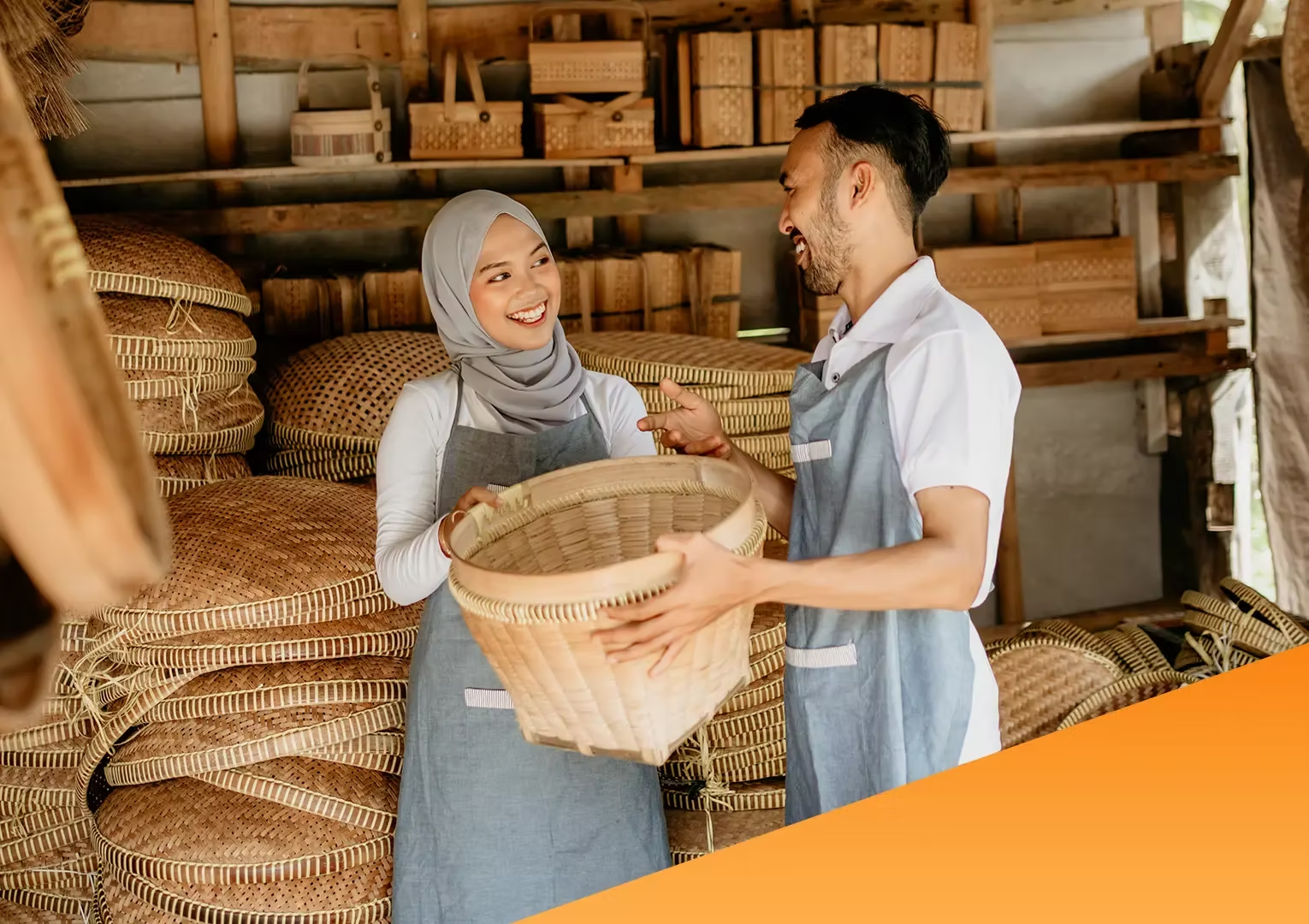
SME is the abbreviation of Small and Medium Enterprises. Even though they are not large businesses, the existence of SMEs has a big contribution to the Indonesian economy. In fact, the existence of SMEs is also able to increase economic growth.
The importance of UKM is so important that the government has ordered the Cooperative and UKM Department in each Regency/City to provide guidance to all UKM.
For those of you who currently have a business, can it be categorized as an SME? So, are there any types of SMEs? Following is the complete information.
The meaning of SMEs is
As the name suggests, SMEs are a type of business that is run on a small to medium scale.
So, company branches, subsidiaries, or companies that are part of a large-scale business cannot be called SMEs.
Legal Basis and Criteria for SMEs
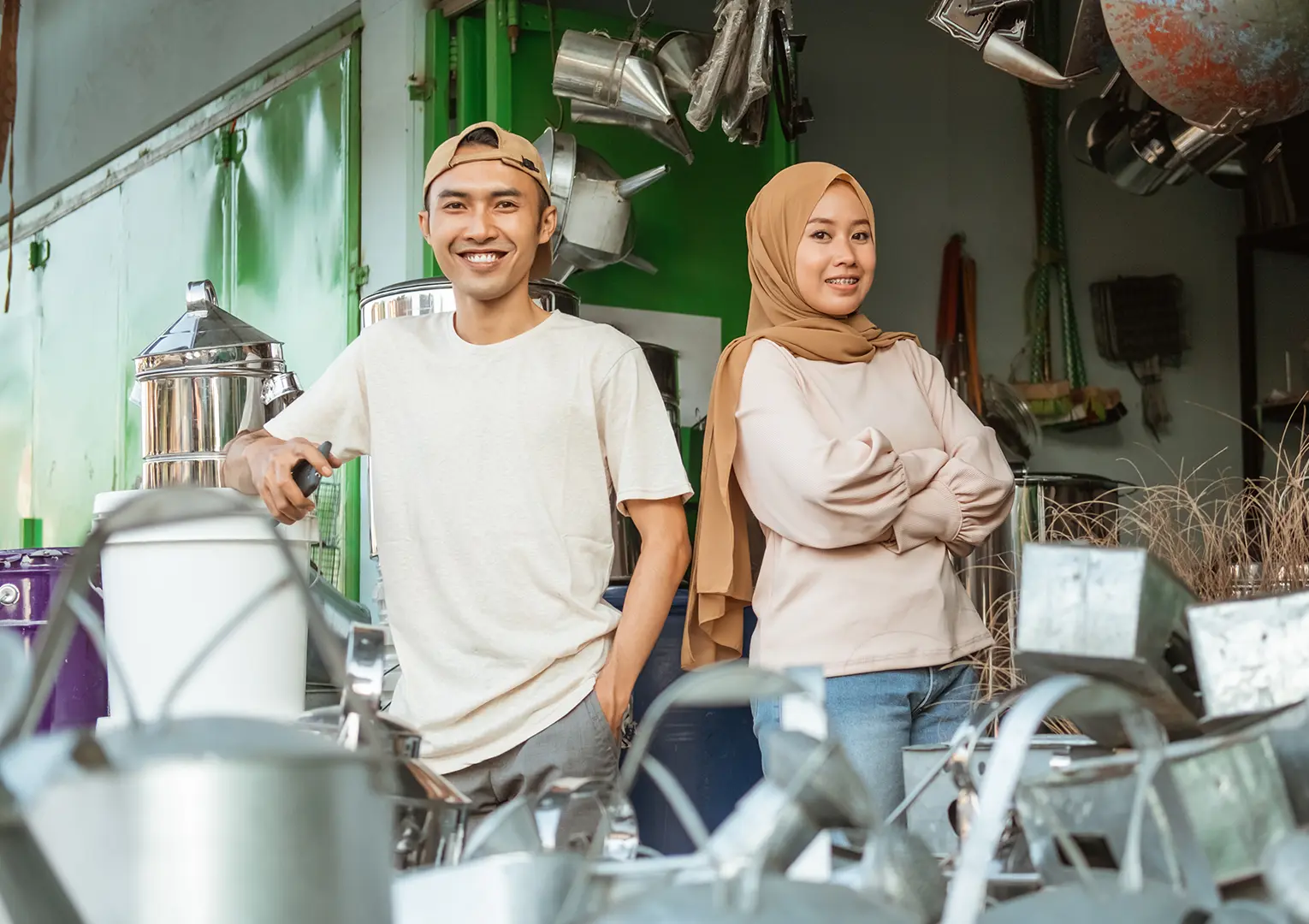
On the Mekar Klik Tax blog, it is explained that the legal basis for SMEs is regulated in the regulations regarding Micro, Small and Medium Enterprises, namely Law (UU) no. 20 of 2008.
Meanwhile, the criteria and qualifications for SMEs are regulated in Law Number 9 of 1995 which contains the following:
- Businesses owned by Indonesian citizens (WNI) and individuals, not branches or subsidiaries of other people that are controlled, owned, or affiliated with large or medium-sized businesses, either spontaneously or non-spontaneously.
- The maximum net assets of a business are IDR 200 million, excluding buildings and land as a business location.
- The maximum business income is around IDR 1 billion every year.
- Businesses do not have legal agencies or other agencies equivalent to legal entities, including cooperatives.
Also read: Long Impact of VAT 12, Will it Burden SMEs?
Difference between SMEs and UMKM
SMEs and MSMEs can be said to be similar, but not the same. What is the difference between the two?
The first is regarding the scope. As the name suggests, the scope of SMEs is small and medium scale business units. Meanwhile, MSMEs, which stands for Micro, Small and Medium Enterprises, focus more on micro-scale business units.
Then, the second difference is regarding guidance and empowerment as regulated in Law Number 23 of 2014 concerning Regional Government.
The law states that micro businesses are fostered by districts and cities, small businesses are managed by provinces, and national scale medium businesses are directly fostered by the central government.
The next difference concerns the juridical side. The regulations are that businesses that do not require a legal entity are micro scale, while small and medium scale businesses are required to have a legal entity.
Types of SMEs
In Law Number 20 of 2008, it is explained that SMEs in Indonesia are divided into three types, namely as follows.
1. Micro Business
The main requirements for a micro business are that it is owned by an individual and has maximum assets worth IDR 50 million. However, land and buildings where the business is located are not counted as assets.
Then, a business is called micro if it has a maximum income of IDR 300 million per year, no more.
2. Small Business
This type of business must stand alone, not be a branch or subsidiary of a medium or large business.
Apart from the total assets having to be in the range of IDR 50 million – IDR 500 million, excluding land and buildings, the maximum turnover is IDR 300 million – IDR 2.5 billion per year.
3. Medium-sized Enterprises
This is a type of business that is owned by individuals or privately owned business entities, so it is not a subsidiary or branch of another company.
The total assets owned must be worth between IDR 500 million – IDR 10 billion and annual sales must be between IDR 2.5 billion – IDR 50 billion.
Examples of SMEs in Indonesia
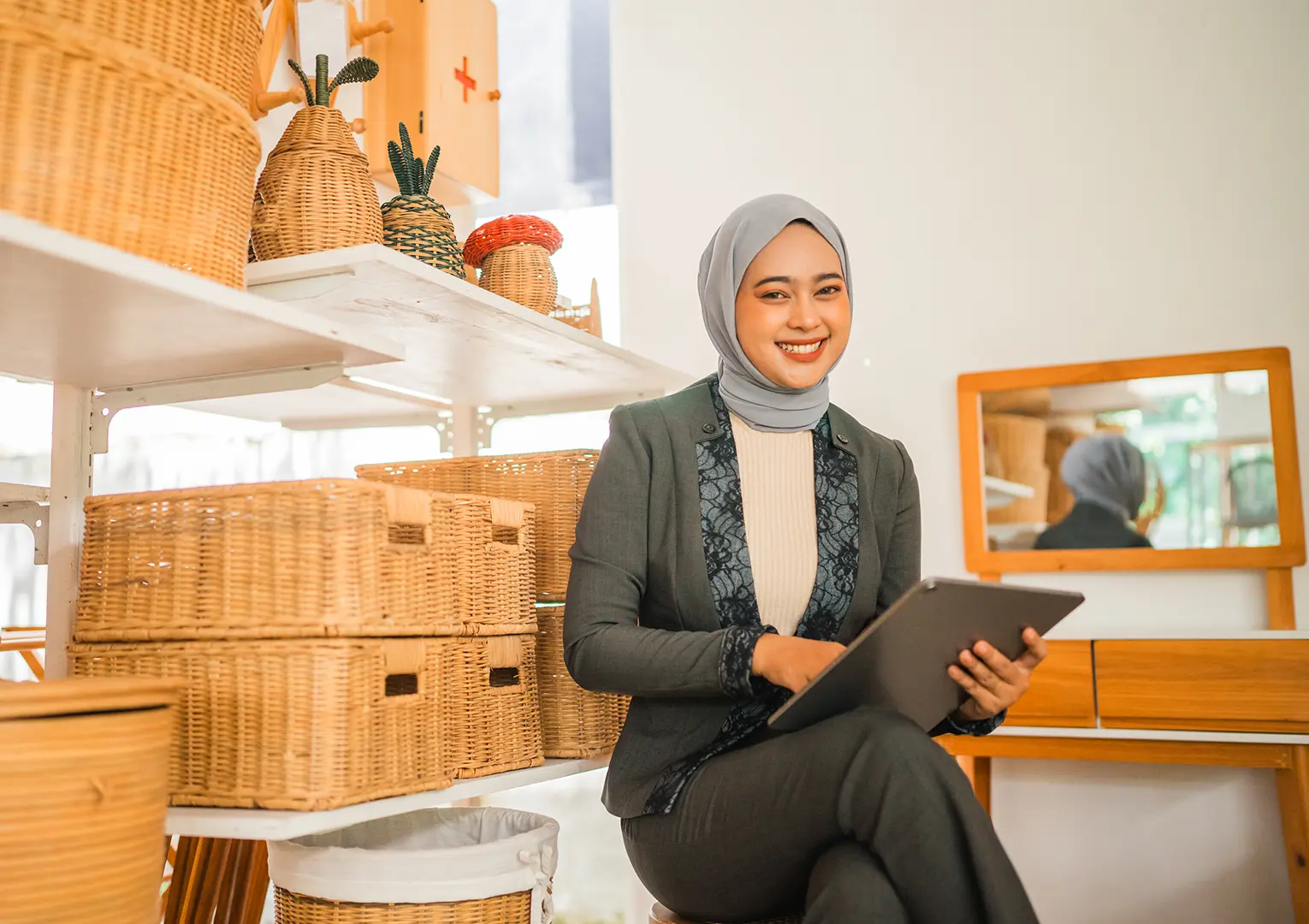
There are many examples of SMEs. The following are some examples of SMEs that are most commonly found in the Indonesian business world.
1. Agribusiness SMEs
Examples include raising cows or goats or laying hens, cultivating organic plants and vegetables, and selling plant seeds.
In fact, all of these are basic needs that society needs every day. However, unfortunately until now Agribusiness SMEs are still dominated by older people making it difficult to compete.
2. Fashion SMEs
This SME is a type of business that will always transform with the times. The reason is because fashion continues to innovate so that fashion SMEs must be able to follow trending styles.
3. Cleaning Services UKM
Currently, more and more SMEs in the cleaning services sector are emerging. Call it laundry, cleaning the house, even washing furniture. This type of SME emerged as an answer to busy workers who did not have time to do household work.
4. Culinary SMEs
This is the most popular SME in Indonesia. It is not surprising because the business opportunities are great as long as humans still need food.
Moreover, the capital to open a Culinary SME business does not need to be large, as long as it has a taste and price that is competitive.
5. Education and Training UKM
Whether online or offline, business in the education sector is still quite promising. One reason is because education is needed by all groups, from children to office employees.
6. Creative Product SMEs
It’s called a creative product, the selling point of this SME is the creativity of the product produced. There are many variations of this UKM, for example accessories, household equipment, and many more.
If the product produced is very creative and not many people produce it, it is not impossible that it can be sold abroad.
7. Technology & Internet
Almost all lines of life require technology and the internet. This is what makes SME businesses in this field also quite promising.
For example, a cellphone sales business. As long as humans still communicate using smartphones, this will be a primary interest for all groups.
8. UKM Tour & Travel
Indonesian tourism never dies. Whatever city you live in, you can create a UKM Tour & Travel because almost all regions in Indonesia have tourist destinations.
The scope of the business ranges from tour guide services to accommodation, such as transportation and lodging.
Also read: Labamu: The Best Cashier Application for MSME Entrepreneurs
That is an explanation of SMEs in Indonesia. If the business you own is one of the types of SMEs, that means you are one of the backbones of the Indonesian economy.
To make your business more successful, use the right application to help your business run smoothly, such as Labamu. Designed with various advanced features, this application is ready to support the growth of every business.
Some great features that can be used are QR Menu to make it easier for customers to place orders and payments, as well as Order Management which makes the ordering process faster and more accurate so that customer satisfaction increases. The Reports, Bills, Debt Book feature also makes business financial management easier.
For those of you SMEs who want their business to grow, let’s immediately download Labamu on Google Play or the App Store and feel the benefits straight away!