
Digital payments can be said to be one of the technological innovations that has significantly changed the way people carry out financial transactions. Through an electronic-based system, digital payments allow users to make transactions quickly, easily and safely without the need to use cash or physical cards.
In recent years, the adoption of digital payments has increased rapidly, in line with technological developments and society’s need for efficient transaction solutions. This article will discuss the meaning, types and benefits of carrying out digital transactions. Listen!
Understanding Digital Payments
A digital payment system is a financial transaction method that uses electronic devices such as smartphones, computers or tablets to transfer funds. Electronic money is often used as the main tool in this system, which can be accessed through banking applications, e-wallets, or other platforms.

The main advantage of digital payments is the convenience it offers. Because, you can freely make transactions at any time without having to worry about having to prepare money in cash. In addition, this system is designed to provide high security with encryption technology
In this way, the risk of losing money or misuse of personal information can be minimized. Digital payments also enable time and effort savings. No more queuing at the bank or filling out manual payment forms, all transactions can be done in just a few clicks via the app or website.
Different Types of Digital Payments
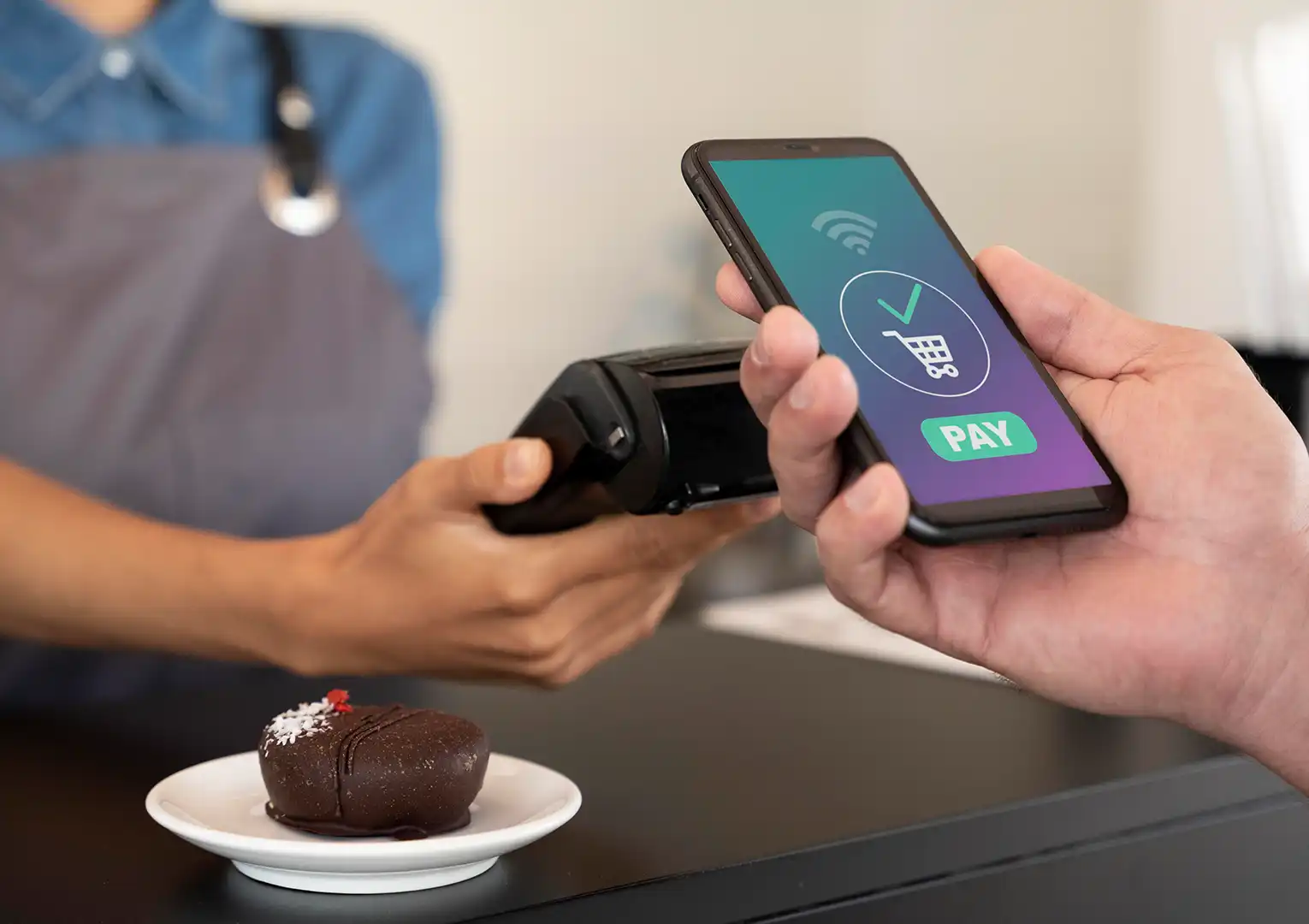
In today’s digital era, digital payments come in various forms to meet very diverse financial needs. Here are some types of digital payments that are commonly used:
1. E-Wallet (digital wallet)
E-wallets or digital wallets have become a form of electronic transaction that has become increasingly popular in recent times. Through applications such as OVO or DANA, you can save money in digital form and use it for various types of transactions, from online shopping to payments in physical stores. E-wallets offer convenience and security because they do not require physical cards or cash.
2. Mobile payments
There is also mobile payment, which allows users to make transactions via smartphone. The simplest examples of this type of digital payment are Google Pay and Apple Pay. Users only need to connect the app with a credit or debit card, then scan the device at the payment terminal.
3. Card payments
Card payment uses a credit or debit card to carry out digital transactions. This method is still a favorite, especially for online payments and in stores that accept physical cards. Transactions are usually carried out by entering card data or using the contactless feature.
4. Virtual account
Virtual account or also called virtual account is a transaction method where users will get a temporary virtual account number. This method is often chosen for billing transactions or via e-commerce. Users simply transfer money to the virtual number provided, and the system will automatically process the payment.
5. QR Code
Payments with QR codes are becoming increasingly popular because of their convenience. Users only need to scan the code provided by the merchant, then complete the transaction via the available payment application.
6. Mobile banking transfers
Through the mobile banking application, users can transfer money or make payments directly from their bank account. This method combines the flexibility of digital transactions with direct access to bank balances.
7. Cryptocurrencies
Lastly, cryptocurrency is a digital transaction method that uses a blockchain basis. This method uses the digital currencies Bitcoin and Ethereum. Apart from investment, cryptocurrency is also used to pay for goods and services on several platforms.
Also read: Digital Products: Definition and Types You Need to Know
Benefits of Digital Payments

In recent times, digital payments have become a popular choice of public transaction method. This is because of the various benefits offered, including:
1. Easy and fast
One of the main benefits of digital payments is their convenience and speed. Dalam hitungan detik, kamu dapat membayar tagihan, membeli barang, atau mengirim uang tanpa harus keluar rumah untuk menuju ke ATM atau cabang bank.
2. Security guarantee
Through the latest technologies such as encryption and authentication, digital payments provide an additional layer of security compared to cash or physical cards. Transactions can also be tracked, making it easier for users to monitor financial activities.
3. More cost effective
Digital transactions are often more cost-effective than traditional methods. For example, interbank transfer fees can be cheaper or even free if done via certain digital platforms.
4. Easy tracking
The transaction history feature in e-wallets and banking applications allows you to track expenses more easily. This can certainly help you manage your monthly expenses and personal finances.
5. Supports business speed
For business people, digital payments enable faster and more efficient transactions. Indirectly, this can support effective business operations while creating a better customer experience.
As technology continues to develop, the future of digital payments looks increasingly bright. Innovations such as the integration of artificial intelligence, biometric-based transactions, and government-issued digital currency (CBDC) are expected to further drive digital payments adoption.
People and businesses are expected to increasingly utilize digital payments for safer, more efficient and time-saving transactions. Not only optimizing transactions, business activities must also be monitored well, so that profits remain maximized.
You can use the Labamu application, with complete features to make it easier for you to manage your business. That way, you can focus on business profits without having to worry about operations. Come on, use Labamu now!