
When purchasing a product, you’ll undoubtedly encounter packaging that serves as a cover and protection for the product’s quality. It could be argued that packaging is a crucial aspect of product management.
Because, beyond protecting the product, packaging also serves as an identity or distinctive feature, making the product more easily recognized by potential customers. This means that without packaging, the product will be vulnerable to damage and more difficult for consumers to recognize.
So, what is packaging?
So, packaging is a process carried out by a brand with the main aim of being a protector and information medium for the public about the products made by the brand.
Packaging itself is a crucial process and a fundamental requirement for all types of products. Simply put, without packaging, a product cannot be stored or distributed from one point to another.
Not only that, but packaging also reflects a brand’s identity, expressed through the product. Equally important, packaging contributes to product safety and hygiene until it reaches consumers.
The Importance of Product Packaging
So, what makes product packaging something that companies cannot afford to miss?
As mentioned earlier, besides protecting the product, packaging is one strategy that can be chosen to help create a positive brand image in the minds of customers.
Packaging containing relevant information about the product can help build trust among new target consumers. Furthermore, here are several other reasons why packaging is important for manufacturers:
- Easier distribution. Good packaging makes it easier for manufacturers to distribute products from the factory to the hands of sellers more safely.
- Storage is maintained. In addition, good product packaging from the manufacturer also helps maintain product storage so that its quality does not decrease.
- Promotional media. Packaging can be a powerful marketing tool, as brands can use it to differentiate their products from similar products from competitors. Furthermore, packaging can provide additional appeal to customers while providing information about the product being sold.
- Security guarantee. Good product packaging helps prevent product damage before it finally reaches the customer.
Not only for producers or brands, packaging also brings various important benefits to consumers, namely:
- Get to know the product better. Product packaging can help consumers more easily identify and differentiate the products they want to buy.
- Usage. In addition, packaging also provides assistance to consumers because it makes it easier for them to use the product.
- Security. Packaging also offers protection to customers from various risks of harmful ingredients in products. For example, products containing chemicals that can cause injury if they come into direct contact with the skin.
Packaging Function
Without packaging, a product is at greater risk of damage. This risk is highly likely to occur both during production and during the distribution process until it is ready for use. So, what exactly is the function of packaging?
- Product packaging. Packaging is the wrapping of a product. Most products require packaging after they are manufactured, especially if they are to be stored or distributed to other locations. Furthermore, packaging ensures that the product is packaged according to requirements.
- Product protector. Packaging also acts as a product protector, in this case ensuring that the quality and usefulness of the product are not damaged when stored, moved, or used.
- Handling and use of the product. Good product packaging will help make it easier to handle the product, especially when it is distributed or used by consumers.
- Product identity and distinctive features: Packaging makes it easier for consumers to recognize and differentiate a brand’s products from similar ones. Furthermore, attractive packaging can also increase the likelihood that customers will choose your product over competitors’.
- One of the product marketing strategies. Unique, attractive, and informative product packaging adds value when marketing a product. Indirectly, packaging also plays a role in increasing product sales.
- Flexibility. Packaging offers consumers convenience when carrying, moving, or using a product.
- Communication media between consumers and producers. Packaging accompanied by a logo or label is able to communicate brand identity, brand messages, and other information about the brand and product to customers.
- Supports product aesthetics. Lastly, packaging can make a product that is actually very simple look unique and attractive.
Packaging Types
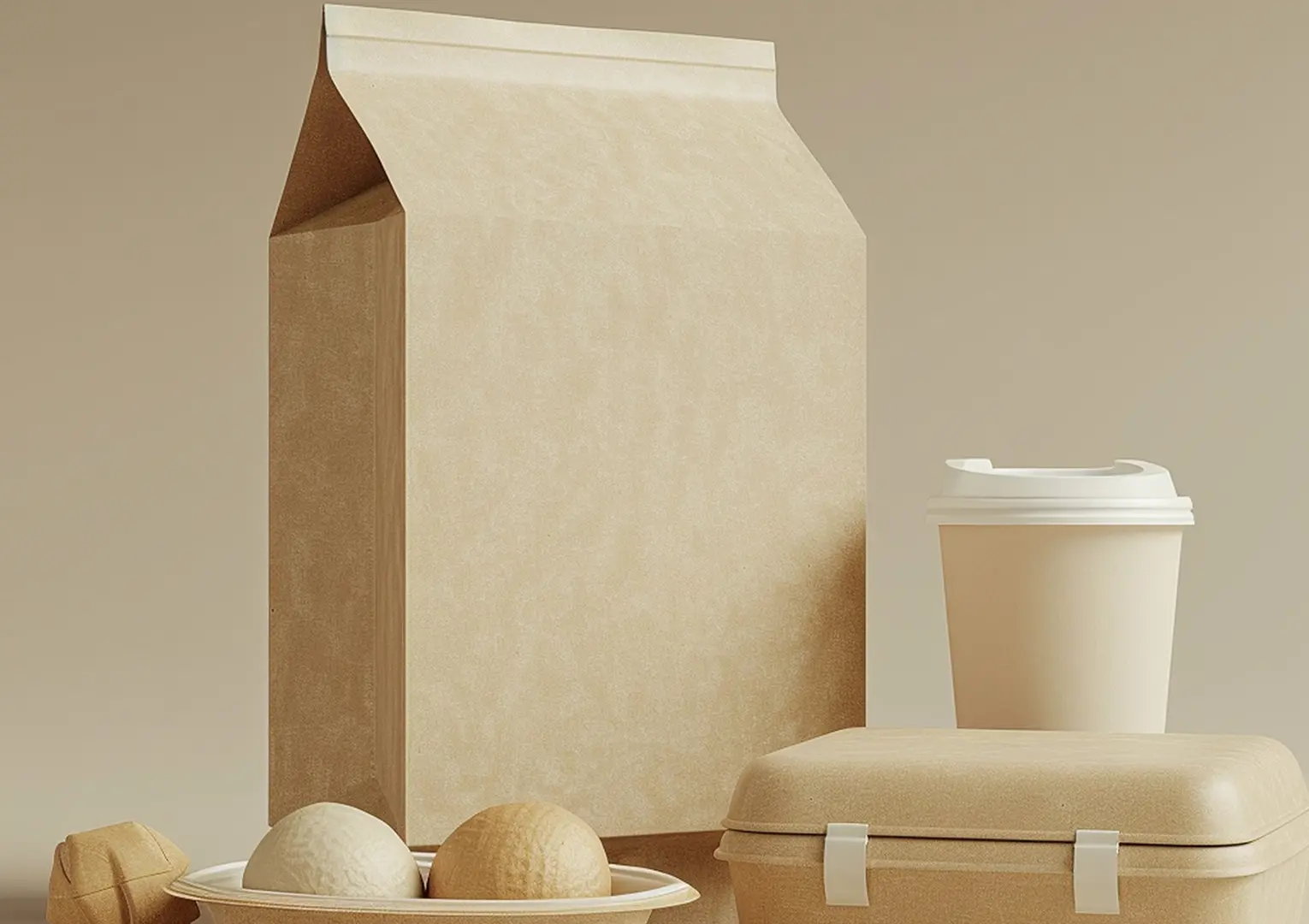
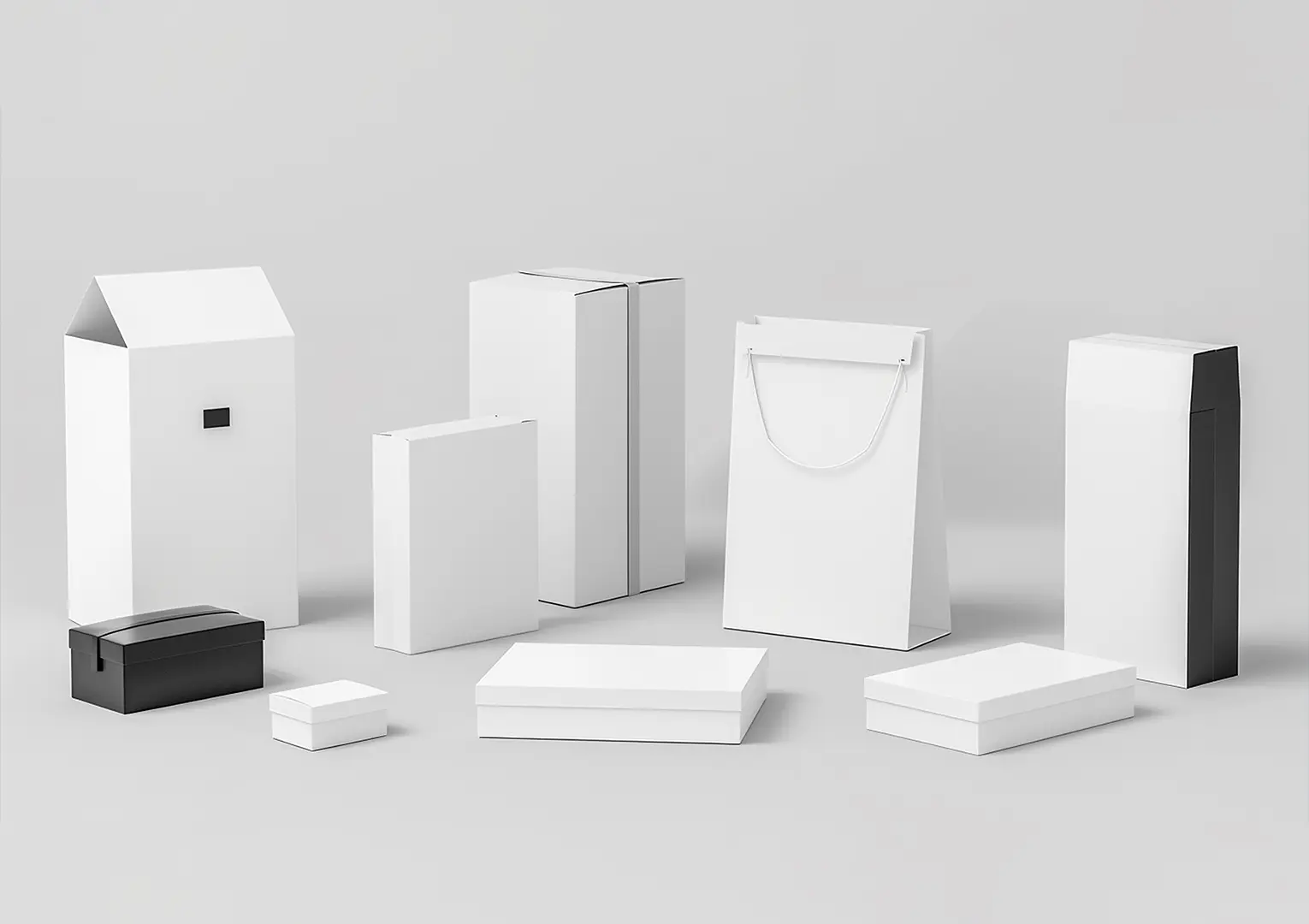
Product packaging has various forms according to the purpose and function chosen, including:
1. Primary
Primary packaging is the type of packaging that directly encloses the product. Furthermore, this type of packaging is intended to make it easier for consumers to recognize the product, obtain information about it, and facilitate its use.
If a brand doesn’t use primary packaging, the product is likely to suffer from a decline in quality and even become highly perishable. This type of packaging also serves as a marketing tool to attract customers.
2. Secondary
Secondary packaging is a type of packaging typically used to categorize several types of products into one at the point of sale. This type greatly simplifies inventory management for companies.
For example, when identifying or grouping products before displaying them. Unlike primary packaging, excluding secondary packaging does not significantly impact the quality of the product being offered.
3. Tertiary
Finally, tertiary packaging, often referred to as transit packaging or bulk packaging, is used to categorize large quantities of products when moving them from point A to point B.
This type of packaging primarily aims to make the movement or distribution of large quantities of products safer. Furthermore, it can facilitate product handling and storage.
So, you now know that packaging is a crucial aspect of the production process that shouldn’t be overlooked. Furthermore, to ensure your business operations continue to run smoothly, you can try using the Labamu app.
This app offers numerous features that can simplify business operations, such as managing raw materials, POS, digital products, and QR menus. Want to optimize your business? Don’t hesitate to use Labamu!